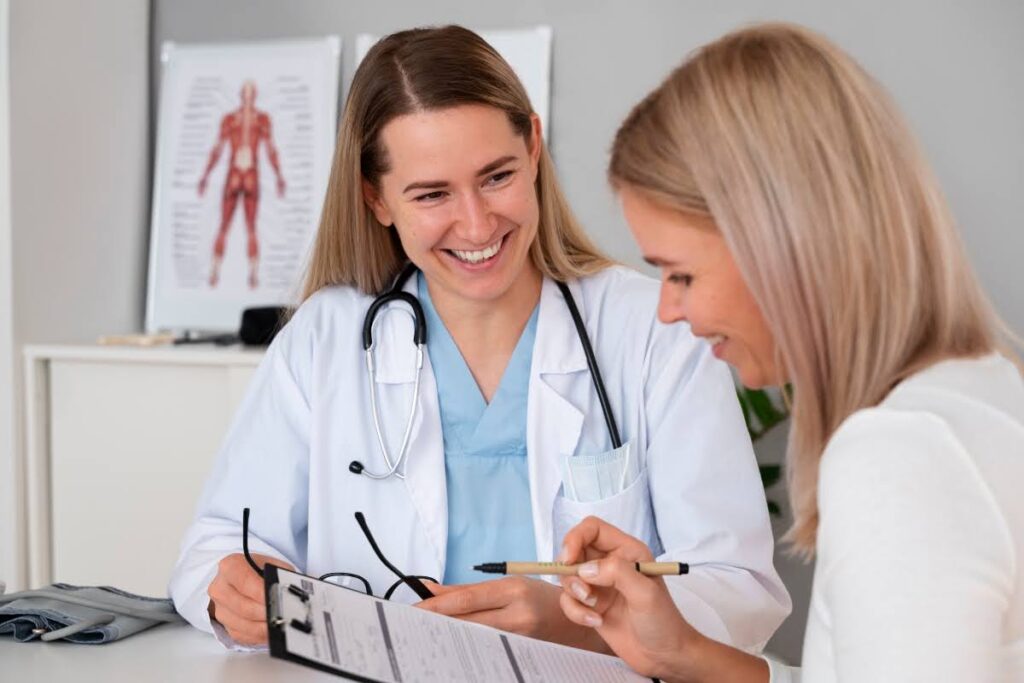
Advanced specialty nursing
Healthcare today requires more than general medical knowledge. Patients facing complex conditions often need highly specialized care from professionals who understand the challenges associated with specific diseases and treatments. This growing demand has increased the importance of specialized nursing professionals across hospitals, rehabilitation centers, and community healthcare settings.
Advanced specialty nursing has become a critical part of improving patient outcomes in some of the most challenging areas of healthcare. From wound management to cancer treatment and cardiac recovery, specialized nurses help patients navigate complicated treatment plans while reducing the risk of complications. Their expertise supports both clinical success and patient satisfaction.
The problem is that many patients and families do not fully understand the role these nurses play in healthcare. When people think about treatment outcomes, they often focus on physicians, medications, or medical technology. However, nursing expertise frequently serves as the bridge that connects treatment plans to successful recovery.
This lack of awareness can cause patients to overlook the value of specialized care when choosing healthcare providers. It can also make healthcare organizations underestimate the impact of investing in specialty-trained nursing staff. Understanding the benefits of specialized nursing helps patients make informed decisions about their care options.
The solution lies in recognizing how specialized nursing directly improves outcomes across multiple healthcare disciplines. By examining wound care, oncology services, and cardiac treatment, it becomes easier to understand why specialized nursing continues to play a growing role in modern healthcare delivery.
Understanding the Growing Importance of Specialized Nursing
Healthcare systems across the United States are treating patients with increasingly complex medical conditions. According to the Centers for Disease Control and Prevention, six in ten American adults live with at least one chronic disease. Managing these conditions often requires coordinated care and specialized clinical expertise.
Their specialized skills help improve safety, efficiency, and treatment outcomes. Advanced specialty nursing focuses on developing in-depth knowledge within specific healthcare areas. Nurses receive additional training, certifications, and practical experience that allow them to provide targeted care for unique patient populations.
Many healthcare facilities have recognized the value of specialty-trained nurses. Hospitals with strong specialty nursing programs often report lower complication rates, reduced hospital readmissions, and higher patient satisfaction scores. These improvements contribute to better healthcare quality and financial performance.
In my experience reviewing healthcare case studies, one consistent finding appears across different specialties: patients tend to achieve better outcomes when experienced specialty nurses are actively involved in their care plans. Their expertise often identifies problems before they become serious complications.
The Impact of Specialized Nursing on Wound Care
Chronic wounds represent a major healthcare challenge throughout the United States. The Medicare population alone includes millions of patients dealing with pressure injuries, diabetic ulcers, and surgical wound complications. Effective wound management requires careful monitoring and evidence-based treatment strategies.
Advanced specialty nursing plays an essential role in preventing wound deterioration and supporting faster healing. Specialty-trained wound care nurses assess wound conditions, develop treatment plans, monitor healing progress, and educate patients about proper care techniques. Their expertise often reduces the need for more invasive interventions.
A study published by the National Institutes of Health found that specialized wound care programs can significantly improve healing rates while reducing treatment costs. Early intervention and consistent monitoring help prevent infections and other complications that may lead to hospitalization.
Many patients receiving services through a home health care agency also benefit from specialized wound management programs. Nurses visit patients regularly, evaluate healing progress, and coordinate care with physicians. This approach allows patients to recover safely while remaining in familiar surroundings.
How Specialty Nurses Improve Oncology Outcomes
Cancer treatment is one of the most demanding areas of healthcare. Patients often experience physical, emotional, and financial challenges throughout their treatment journeys. Managing chemotherapy, radiation therapy, and supportive care requires careful coordination among healthcare providers.
Advanced specialty nursing supports oncology patients by providing education, symptom management, treatment monitoring, and emotional support. Oncology nurses help patients understand treatment plans and identify potential side effects before they become severe. Their involvement helps improve treatment adherence and patient confidence.
According to the American Cancer Society, millions of Americans receive cancer treatment every year. Specialty-trained oncology nurses contribute significantly to treatment success by helping patients navigate complex healthcare systems and maintain consistent communication with medical teams.
One healthcare network in Texas reported improved patient satisfaction after expanding its oncology nursing program. Patients felt more informed about treatment options and experienced fewer emergency department visits related to treatment complications. These improvements highlighted the value of specialized nursing expertise.
The Role of Specialized Nursing in Cardiac Care
Heart disease remains the leading cause of death in the United States. Millions of patients require ongoing monitoring, medication management, and lifestyle changes following cardiac events. Successful recovery often depends on coordinated care and patient education.
Advanced specialty nursing helps cardiac patients manage complex treatment plans and reduce the risk of future complications. Cardiac nurses monitor symptoms, educate patients about medications, encourage healthy lifestyle changes, and identify warning signs requiring medical attention.
Research from the American Heart Association has shown that nurse-led cardiac care programs can improve medication adherence and reduce hospital readmission rates. These programs support long-term recovery by helping patients understand their conditions and actively participate in their care.
Patients recovering at home frequently receive support through a home health care agency that employs specialized cardiac nurses. These professionals provide monitoring and education that help patients avoid preventable complications while maintaining independence during recovery.
Real-World Case Studies Demonstrating Success
A large healthcare system in Florida launched a specialty nursing initiative focused on wound care management. Over twelve months, wound healing rates improved while hospitalization rates decreased. Healthcare leaders attributed these results to earlier intervention and stronger patient education.
In California, an oncology center expanded its specialty nursing team to improve care coordination. The program reduced treatment delays and increased patient satisfaction scores. Nurses provided consistent communication that helped patients remain engaged throughout treatment.
A Midwest hospital implemented a cardiac recovery program led by specialized nursing professionals. Within one year, readmission rates for heart failure patients declined significantly. The hospital reported both clinical improvements and financial savings associated with reduced emergency care utilization.
These examples demonstrate how advanced specialty nursing delivers measurable benefits across multiple healthcare settings. The combination of expertise, patient education, and proactive intervention creates better outcomes for patients and healthcare organizations alike.
Collaboration Across Healthcare Teams
One of the most valuable aspects of specialty nursing is the ability to coordinate care among multiple healthcare professionals. Patients with complex conditions often require support from physicians, therapists, pharmacists, dietitians, and social workers. Effective communication is essential for successful treatment.
Advanced specialty nursing professionals frequently serve as central points of contact within multidisciplinary care teams. They help ensure treatment plans remain consistent and that important information reaches all providers involved in patient care. This coordination reduces confusion and improves efficiency.
Healthcare studies have repeatedly shown that collaborative care models lead to stronger patient outcomes. When specialized nurses facilitate communication between providers, patients often experience fewer treatment delays and greater continuity of care throughout the recovery process.
Services delivered through a home health care agency frequently depend on this type of coordination. Nurses communicate with physicians, therapists, and family caregivers to ensure patients receive comprehensive support while remaining at home.
Technology and the Future of Specialized Nursing
Technology continues to transform healthcare delivery across the United States. Remote monitoring systems, electronic health records, and telehealth platforms are helping providers manage patient care more effectively. Specialized nurses play a key role in integrating these tools into everyday practice.
Advanced specialty nursing professionals use technology to track patient progress, identify potential concerns, and communicate with healthcare teams more efficiently. These tools allow nurses to respond quickly when changes in patient conditions require attention.
For example, cardiac monitoring devices can transmit patient data directly to healthcare providers. Specialty nurses review this information and intervene when necessary, often preventing complications before they require hospitalization. This proactive approach supports both patient safety and healthcare efficiency.
As healthcare continues evolving, technology will enhance the impact of specialized nursing rather than replace it. Human judgment, clinical expertise, and patient relationships remain essential components of quality healthcare delivery.
Challenges Facing Specialty Nursing Professionals
Despite its many benefits, specialty nursing faces several challenges. Workforce shortages, increasing patient complexity, and growing administrative demands can place significant pressure on healthcare professionals. Organizations must invest in training and support to maintain quality care standards.
Certification requirements and continuing education expectations also require ongoing commitment. Specialty nurses must stay current with emerging research, evolving treatment guidelines, and technological advances. This dedication ensures patients receive evidence-based care.
Burnout remains a concern in areas such as oncology and cardiac care, where nurses frequently work with seriously ill patients. Healthcare organizations that prioritize professional development and staff wellness often achieve better retention and stronger patient outcomes.
Even with these challenges, many nurses find specialty practice rewarding because it allows them to make meaningful contributions to patient recovery. Their expertise often has a direct and visible impact on patient health and quality of life.
Conclusion
Advanced specialty nursing has become one of the most important drivers of improved healthcare outcomes across wound care, oncology, and cardiac treatment. Specialized nurses bring focused expertise that supports safer care, stronger patient education, and better long-term recovery.
Through proactive monitoring, evidence-based interventions, and close collaboration with healthcare teams, these professionals help reduce complications and improve patient experiences. Their contributions extend far beyond traditional nursing responsibilities and influence every stage of the care journey.
As healthcare systems continue facing increasing patient complexity, the demand for advanced specialty nursing will continue growing. Hospitals, clinics, rehabilitation centers, and community healthcare providers all benefit from investing in specialized nursing expertise.
Whether supporting patients through cancer treatment, wound recovery, or heart disease management, advanced specialty nursing remains a critical component of modern healthcare. Its impact on patient outcomes, healthcare quality, and overall system performance makes it an essential part of the future of healthcare delivery.