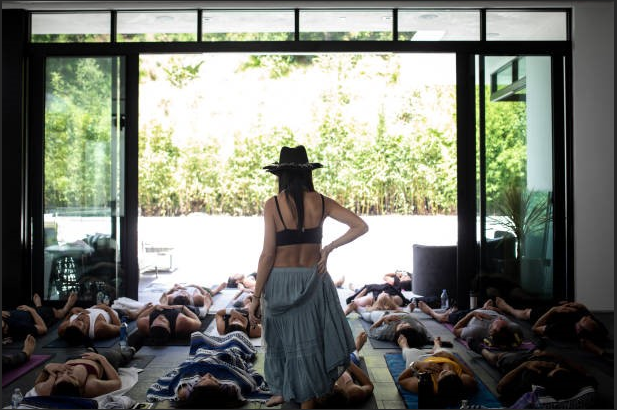
The workday may end, but stress often remains. Tight shoulders, restless thoughts, and difficulty settling at night can make relaxation feel like another task. Across the United States, people are exploring sound healing, breathwork, and bodywork as practical tools for stress recovery.
Each practice offers a different path. Sound healing creates a focused sensory environment, breathwork provides structured breathing patterns, and bodywork addresses muscular tension and restricted movement. Their growing use reflects wider interest in body-aware wellness, spiritual integration, and support that can fit into everyday routines without requiring a dramatic lifestyle change.
Key Takeaways
- Sound healing can create a quiet break from digital and sensory overload.
- Breathwork offers structured techniques for tense moments and daily transitions.
- Bodywork may improve comfort, mobility, and awareness of physical tension.
- Combined sessions address several aspects of stress in one experience.
- Health needs, personal comfort, and consistency should guide practice selection.
Why Body-Aware Practices Are Gaining Attention
Work pressure, digital overload, caregiving, long commutes, and changing routines can make it difficult to shift from activity to rest. Many Americans are therefore choosing practices that directly involve breathing, movement, sound, or physical touch.
Sound healing, breathwork, and bodywork are available through yoga studios, fitness centers, retreats, workplace programs, wellness clinics, and guided online sessions. Some transformation services also combine these methods with coaching, meditation, or reflective practices.
Their flexibility is a major part of their appeal. Someone may attend a full sound bath, use a five-minute breathing practice before a meeting, or schedule a massage after a physically demanding week.
Ways Americans Are Using Sound Healing, Breathwork, and Bodywork for Stress Recovery
Sound Healing Offers Sensory Calm
Sound Baths
During a sound bath, participants sit or recline while a facilitator plays singing bowls, gongs, chimes, drums, or similar instruments. The experience relies on layered tones rather than conversation or physical effort.
This format may appeal to people who feel overloaded by screens, traffic, workplace noise, and constant notifications. Focusing on a consistent soundscape can create a clearer transition away from daily demands.
Sound baths are offered at retreats, yoga studios, community events, and wellness centers. Recorded sessions are also used at home during meditation, journaling, or evening routines.
A Quieter Mental Space
Repetitive tones may help some participants move away from fast, task-focused thinking and enter a more reflective state. Results differ between individuals, and sound healing should not be treated as a replacement for medical or psychological care.
For someone processing a retreat, emotional breakthrough, or major realization, sound may also support spiritual integration. A quiet session can provide space to observe thoughts and emotions without immediately deciding what they mean.
This low-participation format can make sound healing useful for people who want stress recovery without detailed discussion or demanding instructions.
Breathwork Creates Structure During Stress
Box Breathing
Box breathing follows four equal phases: inhaling, holding, exhaling, and pausing. Each phase is commonly practiced for four comfortable counts.
The predictable pattern gives attention a simple sequence to follow. People may use it before public speaking, air travel, important meetings, or difficult conversations.
Because it requires no equipment, box breathing can be practiced at work, at home, or while traveling. It may also provide practical life transition support when changing responsibilities, relationships, or routines, which can make concentration difficult.
The 4-7-8 Method
The 4-7-8 method uses a four-count inhale, a seven-count hold, and an eight-count exhale. Many people add it to an evening routine because the longer exhale encourages slower, more deliberate breathing.
Beginners should avoid forcing the counts. Stop if lightheadedness, chest discomfort, or breathing difficulty develops. People with respiratory, cardiovascular, or panic-related concerns should seek professional guidance before practicing extended breath holds.
Everyday Breathing Support
Measured breathing encourages awareness of respiratory rhythm, muscle tension, and emotional reactivity. It does not remove the source of pressure, but it may create a useful pause before responding.
Breathwork can also be combined with counseling, journaling, or other integration resources. Regular short sessions are often more realistic than occasional intensive practice.
Bodywork Addresses Physical Tension
Somatic Movement
Gentle stretching, rocking, shaking, and self-soothing touch can help people notice where they are bracing or holding tension. These movements can be adjusted according to energy levels, mobility, and comfort.
Rather than promising an immediate physical release, somatic practices encourage gradual awareness. A person may begin noticing clenched shoulders, shallow breathing, a tight jaw, or restlessness during stressful situations.
Short home routines, guided workshops, and individual sessions can make this form of stress recovery accessible to people who prefer active participation.
Hands-On Bodywork
Massage, assisted stretching, compression, and sustained pressure are used to address muscular discomfort, stiffness, and restricted movement. These methods may be relevant for people affected by desk work, repetitive tasks, exercise, or long periods of sitting.
Bodywork is offered through massage studios, spas, recovery centers, and wellness clinics. The appropriate method depends on health history, sensitivity, personal boundaries, and the source of discomfort.
During demanding personal changes, bodywork may complement life transition support by addressing physical fatigue and tension while other emotional or practical concerns are being managed.
Combined Sessions Provide Broader Support
Some wellness studios and transformation services combine mobility work, massage, guided breathing, and sound within one session. Each stage serves a different purpose.
Movement prepares the body, hands-on care focuses on restricted areas, breathing restores attention, and sound provides a calm ending. This format may suit people who experience stress through several channels, including racing thoughts, shallow breathing, muscle tension, and sensory overload.
Combined sessions may also function as integration resources after retreats, ceremonies, grief, or major life changes. They can provide structure while emotions and insights continue to settle.
Conclusion
Sound healing, breathwork, and bodywork are becoming more visible in American wellness because they offer practical ways to respond to mental and physical pressure. Sound creates sensory space, breathing provides a repeatable structure, and bodywork addresses discomfort and mobility.
The best option depends on personal preferences, health considerations, schedule, and desired level of participation. Some people may prefer one method, while others may combine several practices with counseling, reflection, or spiritual integration.
An effective stress recovery routine should be safe, manageable, and realistic enough to maintain. Consistent support matters more than choosing the most intensive or complicated practice.
FAQs
What is sound healing?
Sound healing uses instruments such as singing bowls, gongs, and chimes to create a focused listening experience that may encourage relaxation and reduce sensory overload.
Is breathwork suitable for beginners?
Gentle techniques such as box breathing are often beginner-friendly. People should avoid forcing their breath and stop if they feel dizzy or uncomfortable.
What does bodywork include?
Bodywork may include massage, assisted stretching, compression, gentle movement, and self-soothing touch designed to address physical tension and limited mobility.
Can these methods support spiritual integration?
Yes. Sound healing, breathwork, and body-based practices may support spiritual integration by creating space for reflection, emotional processing, and a calmer return to everyday routines.
What integration resources may support stress recovery?
Helpful integration resources may include journaling, guided meditation, peer support, counseling, grounding exercises, and gentle wellness practices that help people process meaningful experiences.
Do these practices replace medical care?
No. They may complement professional support, but persistent stress, pain, anxiety, or sleep problems should be discussed with a qualified healthcare provider.