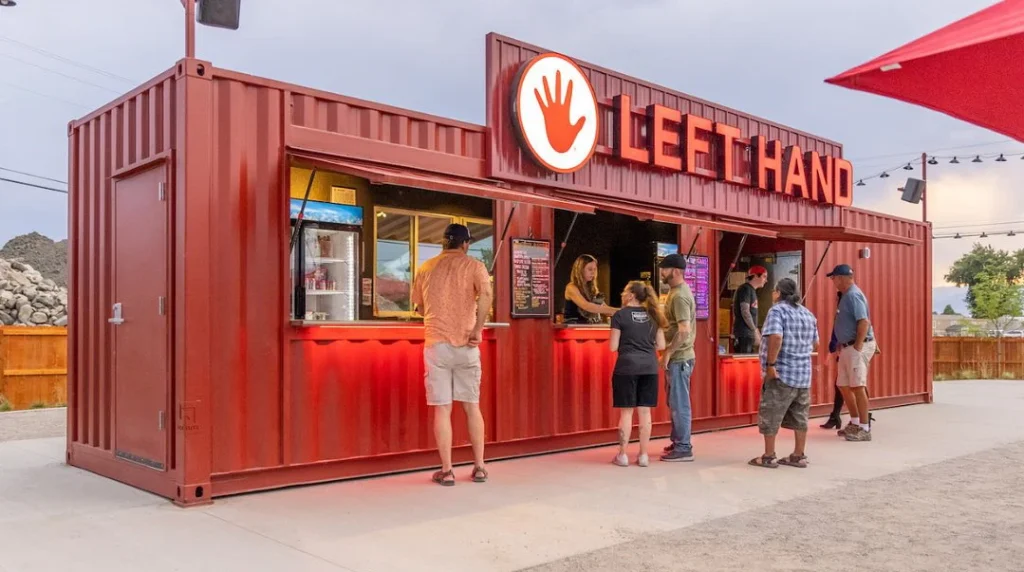
Retail brands need smart ways to reach new customers and show their products in busy places. Pop-up shops offer a simple way to do this without opening a full store. Retail commercial containers turn shipping containers into neat, useful sales spaces for shopping streets, markets, festivals, and outdoor events. They offer a strong frame, room for custom designs, and the freedom to move from one location to another.
With the right layout, lighting, and shelves, brands create a welcoming shop that draws attention and makes shopping easy.
What Makes Containers a Good Choice for Pop-Up Shops?
Shipping containers provide a strong base for a small retail store. Builders add doors, windows, lights, shelves, and other features to match the needs of a brand. The finished shop gives customers a clear place to browse and buy products.
Commercial containers suit a range of retail needs, from clothing and gifts to snacks, drinks, and local goods. Their compact size also makes them useful for short-term sales events and seasonal shops.
Key benefits include:
- Easy to move: Teams transport the shop to markets, fairs, and busy public areas.
- Custom layouts: Owners choose shelves, counters, doors, and windows to suit their products.
- Strong structure: Steel walls provide a firm base for daily retail use.
- Brand appeal: Paint, signs, and lights turn a plain container into a shop that stands out.
- Flexible use: Owners adapt the space for new products, events, or sales plans.
How Do Retail Containers Improve the Shopping Experience?
A good shop makes it easy for customers to enter, find products, and pay for their purchases. A container shop needs a clear layout, enough light, and easy access to its main items.
1. Create a Clear and Open Layout
The inside layout shapes how customers move through the shop. Wall shelves keep products neat, while a front counter gives staff a clear place to serve buyers. Open windows also let passersby see the products inside.
Brands should leave enough room for customers to move around. A simple path from the entrance to the shelves and checkout keeps the shopping trip smooth.
2. Add Lighting and Useful Features
Good lighting makes products easier to see and gives the shop a warm feel. LED lights suit small retail spaces, while glass doors and wide windows bring in daylight.
Other useful features include:
- Built-in shelves for small goods and display items.
- Lockable storage for stock and supplies.
- Power outlets for card readers and checkout tools.
- Fans or air conditioning for comfort in warm weather.
- A small counter for wrapping goods or packing orders.
These details turn retail commercial containers into practical spaces for both staff and customers.
Where Do Mobile Sales Spaces Work Best?
A mobile shop gives brands more freedom to reach people in places where they gather. Rather than staying in one spot, owners move the unit to suit their sales plans.
Commercial containers work well in several settings:
- Markets and fairs: Sell handmade goods, clothes, gifts, and local products.
- Festivals and events: Offer food, drinks, souvenirs, or event items.
- Shopping areas: Add a small store near busy streets or outdoor shopping zones.
- Tourist spots: Sell local crafts, travel items, and keepsakes.
- Seasonal sites: Set up holiday shops or summer sales spaces for a set period.
Before placing a shop, owners should check local permits, site rules, power access, and delivery routes. Good planning keeps the setup simple and supports smooth daily work.
How Should Brands Design a Container Shop?
A strong design blends looks with daily use. The outside should show the brand name, main products, and clear signs. Bright colors, neat lettering, and well-placed lights make the shop easy to spot.
Inside, each item needs a clear place. Brands should group similar products, keep popular items near the front, and place the checkout counter where staff can clearly see the shop.
Well-planned retail commercial containers also include safe wiring, good airflow, secure doors, and weather protection. These features keep the shop ready for changing seasons and daily use.
How Do Container Shops Support Business Growth?
Pop-up shops give brands a way to test new locations, promote new products, and meet new customers. Sales data from each site shows which products sell well and which places draw more buyers.
Since commercial containers suit different sites and retail needs, owners adjust their setup as their plans grow. For example, a shop used for a weekend market could later serve as a seasonal store or a sales point at a local event.
Final Thought
Pop-up shops offer brands a fresh way to meet customers and show their products. Retail commercial containers combine a strong build, custom design, and easy transport in one useful sales space. With a clear layout, good lighting, secure storage, and the right site, brands create shops that look inviting and support daily sales. A well-planned container shop gives retail businesses a flexible way to reach new markets and build their name.