Event decorations do not always have to rely on flat backdrops and hanging drapes. Curved panels, rounded arches, and sculptural displays can give a venue a more creative look. However, these designs need fabrics that can hold their shape while still allowing room for shaping and finishing. Scuba material is an interesting option because its smooth surface, stretch, and relatively firm structure can support many decorative ideas.
Often used in fashion and costume projects, scuba fabric is a double-knit material commonly made from polyester and elastane. It is known for its body and flexibility, although its thickness and stretch can vary. These qualities make it worth exploring for event installations that need clean curves, smooth surfaces, and dimensional details.
What Makes Scuba Fabric Useful for Sculptural Designs?
Unlike thin fabrics that fall into soft folds, scuba fabric often has enough body to maintain a more defined shape. Its knit construction gives it some stretch, while its thickness can help reduce the appearance of small wrinkles. This combination can be useful when creating decorative pieces that need a smooth finish.
The material can also be cut and sewn into different shapes. Designers may use it to cover lightweight frames, create curved decorative panels, or build fabric-covered forms. Its smooth surface provides a clean base for event branding, color themes, and other decorative elements.
Still, fabric alone does not create a strong structure. Large arches and freestanding displays need suitable frames or internal supports. Scuba fabric works best as the visible covering rather than the main load-bearing material.
Creating Smooth Curved Panels and Backdrops
Curved panels can make a stage or photo area look more modern. Instead of using several straight sections, designers can create rounded edges, wave-like shapes, and flowing outlines. The challenge is finding a material that can follow the frame without looking loose or uneven.
Because scuba material fabric has stretch, it can fit around gentle curves more easily than some rigid woven fabrics. It may also provide a smooth finish across the front of a panel when cut and fitted correctly.
Designers can use these panels behind a stage, around a presentation area, or as decorative dividers. A set of curved panels in different heights can create depth without taking up too much floor space. They can also be arranged in overlapping layers to make the backdrop feel more dynamic.
For sharper curves or complex shapes, it is important to test the fabric first. Stretch direction, panel size, and seam placement can all affect the final result.
Using Scuba Fabric for Decorative Arches
Arches are popular in weddings, brand events, product launches, and photo areas. They provide a natural focal point and can frame a couple, display, or entrance. While flowers and sheer drapes are common choices, a fabric-covered arch offers a cleaner and more modern style.
Scuba fabric can be fitted around an arch frame to create a smooth surface. This works particularly well for simple geometric arches, rounded shapes, and designs with broad curves. The fabric can also be used in contrasting colors to create two-tone displays.
For a wedding, a soft neutral arch can complement floral arrangements and light-colored drapes. For a product launch, a bold color can help the structure match the brand’s visual identity. However, the frame should be measured carefully so the covering fits without excessive tension or loose sections.
Building Three-Dimensional Decorative Features
Three-dimensional event designs can include raised shapes, layered forms, oversized letters, and sculptural accents. These elements help break up large flat surfaces and give guests something interesting to look at.
Scuba fabric can be used to cover lightweight foam forms or prepared structures. Its stretch may help it follow rounded edges, while its smooth finish can make the completed piece look more uniform. Designers can use this approach for decorative circles, curved blocks, display bases, and themed installations.
Another idea is to create padded-looking shapes by wrapping the fabric around foam or other suitable lightweight materials. These pieces can be arranged at different heights to create a layered stage design. The internal structure provides the form, while the fabric gives it a consistent outer appearance.
Combining Scuba Fabric With Other Materials
A three-dimensional display does not need to use the same material throughout. Mixing fabrics can make the design more interesting and help each element serve a clear purpose.
Scuba fabric pairs well with sheer materials such as chiffon and organza. The scuba-covered structure provides a solid visual base, while the sheer layers add softness and movement. Velvet can introduce a richer texture, whereas satin can bring a smooth shine.
For instance, an event designer could use a curved scuba-covered panel as the main backdrop and place sheer drapes around its edges. This creates contrast without making the display look too busy. The key is to keep the color palette consistent and avoid combining too many competing textures.
Choosing the Right Weight, Stretch, and Color
Not all scuba fabrics behave the same way. Some are thicker and firmer, while others have more stretch and a softer feel. The best choice depends on the size and shape of the installation.
Before buying fabric, check its thickness, stretch recovery, width, and fiber content. Stretch recovery is particularly important because a material that does not return to its original shape may become loose after being fitted around a frame.
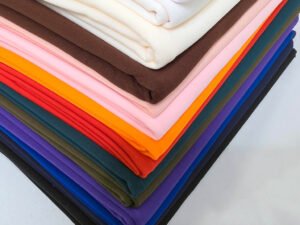
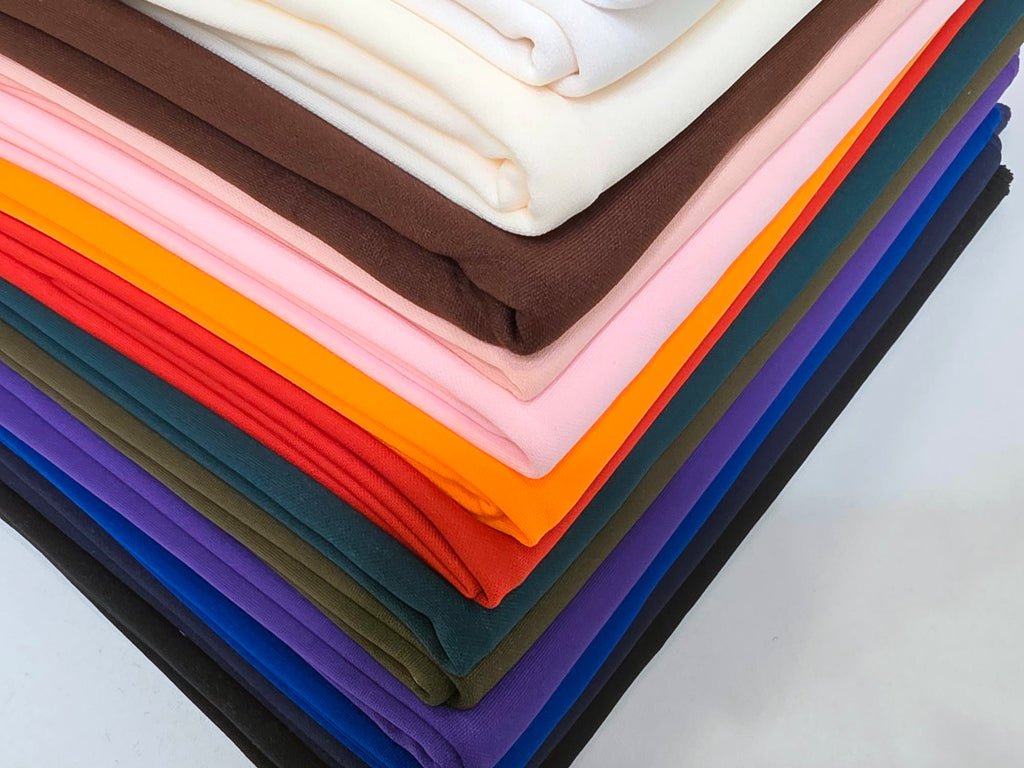
Color selection also matters. Solid shades often work well for sculptural designs because they let the shape stand out. Neutral colors can support understated event themes, while bright shades can create a bold focal point. If the installation will be photographed, test the fabric under the venue’s lighting to see how the color appears on camera.
Planning and Installing Fabric-Covered Structures
Good preparation can save time during event setup. Start by measuring the frame or decorative form, then plan the fabric panels according to the required curves and dimensions. Include extra material for seams, hems, and areas that need to wrap around the structure.
When working with scuba material, test the fit on a small section before covering the full installation. This helps identify issues with tension, seams, and unwanted wrinkles. Use suitable fasteners or stitching to keep the fabric in place, and make sure no sharp frame edges can damage it.
Safety should be part of the plan from the beginning. Large arches and freestanding displays need stable bases and proper support. They should not block exits, walkways, or emergency equipment. Also, follow venue rules for decorative materials and use appropriately documented flame-retardant fabrics where required.
Giving Event Spaces a More Sculptural Look
Curved panels, arches, and three-dimensional features can make event spaces feel more creative and thoughtfully designed. Scuba fabric supports these ideas through its combination of stretch, smoothness, and body. It can cover prepared structures, follow gentle curves, and create a consistent finish across decorative forms.
The best results come from matching the fabric to the design rather than expecting it to provide structure on its own. With suitable frames, careful measurements, and thoughtful material combinations, scuba material fabric can help event designers turn simple shapes into eye-catching decorative features.