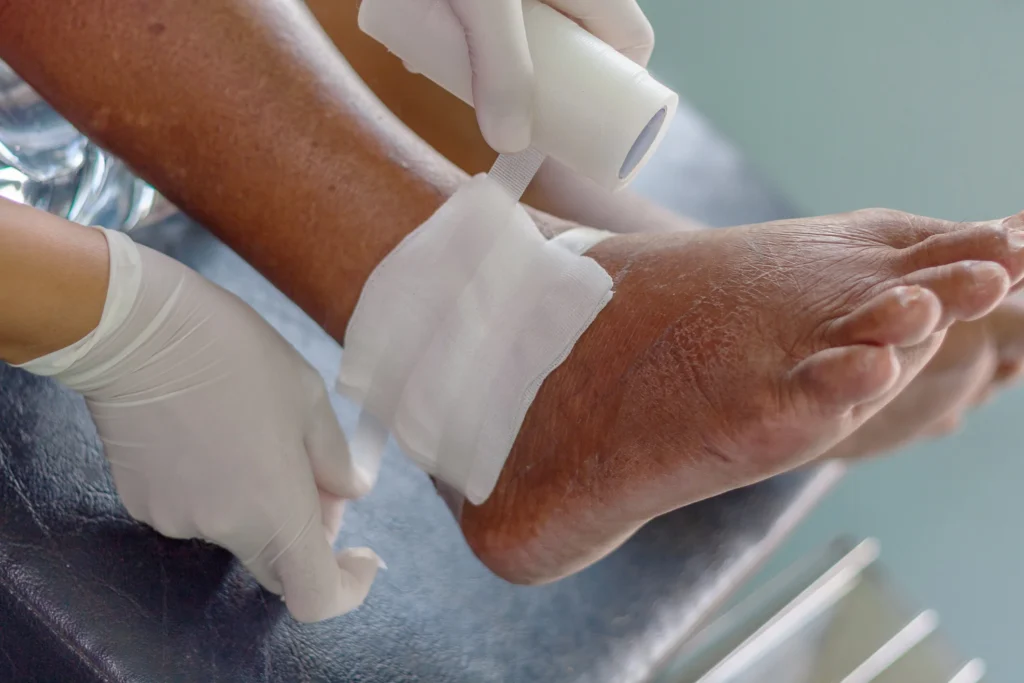
chronic wound care Genesee MI
Chronic wounds can place a significant burden on patients, families, and caregivers, especially when healing is delayed by diabetes, circulation problems, pressure, infection, or other health conditions. Effective treatment often requires more than routine dressing changes because several factors may be contributing to the wound at the same time. A comprehensive approach may combine nutrition support, appropriate debridement, compression therapy, pressure management, infection monitoring, and regular professional assessment. For patients receiving chronic wound care Genesee MI these strategies can be integrated according to the wound’s characteristics and the patient’s overall health. The goal is not simply to cover the wound but to create conditions that support safe and progressive healing.
Why Chronic Wounds Require a Comprehensive Approach
A chronic wound is one that fails to progress through normal healing or repeatedly breaks down despite appropriate care. Diabetic foot ulcers, venous leg ulcers, pressure injuries, arterial wounds, and complex surgical wounds can all become chronic. The reasons for delayed healing are often interconnected rather than caused by a single problem. Poor circulation can reduce oxygen delivery, while infection, pressure, nutritional deficiencies, or uncontrolled underlying disease can further interfere with repair. Identifying these contributors is therefore an important first step in creating an effective treatment plan.
Professional wound assessment usually considers much more than wound size and appearance. Healthcare professionals may evaluate the depth, tissue type, drainage, surrounding skin, pain, circulation, pressure exposure, and signs of infection. They may also review medications, mobility, nutritional status, diabetes management, and previous wound treatments. This information helps determine which interventions are appropriate and whether specialist involvement is needed. Regular reassessment is equally important because a wound’s needs can change as healing progresses.
The Importance of Nutrition in Wound Healing
The body needs adequate energy, protein, vitamins, minerals, and fluids to support tissue repair. Patients with chronic wounds may have difficulty meeting nutritional needs because of illness, reduced appetite, swallowing problems, limited access to food, or other circumstances. Poor nutritional status can make recovery more challenging and may contribute to reduced tissue repair. A healthcare professional may therefore consider nutrition as part of the broader wound assessment. The appropriate nutritional plan depends on the patient’s medical condition, dietary needs, and overall treatment goals.
Protein is particularly important because it contributes to the formation and maintenance of body tissues. However, simply taking protein supplements is not appropriate for every patient because kidney disease and other conditions may require dietary restrictions. Patients should discuss nutritional concerns with their healthcare professional before making significant changes. A registered dietitian or another qualified provider may be involved when specialized nutritional support is needed. The objective is to address nutritional barriers safely rather than rely on generalized supplement recommendations.
Hydration can also influence overall health and may be considered when evaluating a patient’s ability to heal. Patients should follow individualized fluid recommendations, particularly when they have medical conditions that affect fluid balance. Nutrition should be viewed as one part of wound management rather than a replacement for professional wound treatment. Even an excellent diet cannot correct problems such as severe pressure, poor circulation, or untreated infection by itself. The strongest approach combines nutritional support with appropriate wound-specific treatment.
Debridement and Its Role in Wound Management
Debridement involves removing nonviable, damaged, or unwanted tissue from a wound when clinically appropriate. Such tissue may interfere with wound assessment and create an environment that makes healing more difficult. Several debridement techniques exist, and the appropriate method depends on the wound, tissue characteristics, patient health, pain considerations, and clinical objectives. A qualified healthcare professional should determine whether debridement is necessary. Patients and caregivers should never attempt professional debridement on their own.
Debridement can also help clinicians better evaluate the wound bed. Once unwanted tissue is addressed, the healthcare professional may have a clearer view of the wound’s depth and condition. This information can influence decisions about dressings, infection management, negative pressure therapy, or other advanced treatments. Not every chronic wound requires the same type or frequency of debridement. Treatment should be reassessed as the wound changes rather than following a fixed schedule without clinical review.
How Compression Therapy Supports Selected Wounds
Compression therapy can be an important part of treatment for certain venous wounds because it may help manage swelling and improve venous blood return. However, compression is not appropriate for every wound or every patient. Arterial circulation should be appropriately assessed before compression is recommended because significant arterial disease can make some compression approaches unsafe. The type, pressure level, and method of compression should therefore be selected by a qualified healthcare professional. Patients should not purchase or apply compression products solely based on general online advice.
When compression is clinically appropriate, consistent use may support management of edema and the underlying venous condition. Healthcare professionals may combine compression with appropriate dressings, skin care, elevation, mobility strategies, and other interventions. The wound itself still requires monitoring because drainage, tissue condition, and surrounding skin can change. Patients should report new pain, numbness, skin discoloration, or other concerning symptoms after compression is applied. Adjustments may be necessary when the patient’s condition changes.
Connecting Nutrition, Debridement, and Compression
These treatment components can work together because chronic wounds often have multiple barriers to healing. For example, a patient with a venous leg ulcer may have significant swelling, a wound bed requiring appropriate management, and nutritional concerns that affect tissue repair. Compression may address the venous component, while professional wound treatment manages the wound itself and nutritional support addresses broader healing needs. Each intervention serves a different purpose. Combining them under professional supervision can create a more complete treatment strategy.
The same approach applies to patients with other chronic wound types, although the specific interventions will differ. A diabetic foot ulcer may require pressure reduction, blood glucose management, infection monitoring, appropriate footwear, and specialized wound treatment. A pressure injury may require repositioning and pressure-relieving equipment rather than compression. Treatment should therefore be individualized according to the underlying cause. Using an intervention simply because it helped another patient can be inappropriate or unsafe.
Infection Control and Ongoing Monitoring
Infection can interfere with healing and may significantly increase the complexity of chronic wound management. Healthcare professionals assess changes such as increasing redness, warmth, swelling, drainage, odor, pain, tissue appearance, and systemic symptoms. These signs do not automatically confirm an infection because several conditions can produce similar findings. Professional evaluation is important before treatment decisions are made. Patients should report significant changes rather than attempting to diagnose or treat a suspected infection themselves.
Regular monitoring helps clinicians identify trends in the wound’s condition. Measurements, clinical observations, dressing changes, and documentation can provide useful information about whether treatment is working. If a wound becomes larger, develops increasing drainage, changes color, or stops progressing, the treatment plan may need reassessment. The healthcare team can determine whether additional testing, specialist referral, or an advanced treatment is appropriate. Ongoing communication is especially important when several healthcare professionals are involved.
Chronic Wound Management at Home in Michigan
For patients who have difficulty traveling to frequent appointments, chronic wound management at home in Michigan may provide an appropriate option when the patient’s condition can be safely treated in a home setting. Depending on the provider and care plan, home-based services may include wound assessment, dressing changes, monitoring, education, and communication with physicians. Home care can be particularly useful for patients recovering from surgery, living with mobility limitations, or facing transportation challenges. The exact services and eligibility requirements vary between providers.
A home visit can also help healthcare professionals understand practical factors affecting wound recovery. They may observe mobility limitations, pressure risks, caregiver availability, supply organization, or difficulties following the prescribed treatment plan. This information can help the broader healthcare team address barriers that might not be obvious during a clinic visit. Caregivers can also receive appropriate education about their role in routine care. However, home-based treatment does not replace clinic or hospital care when a wound requires specialized procedures, diagnostic testing, or urgent evaluation.
Managing Pressure and Mobility
Pressure management is essential for many chronic wounds, particularly those affecting patients with limited mobility. Prolonged pressure can restrict blood flow to vulnerable tissue and prevent an existing wound from progressing. Patients may need individualized repositioning strategies, pressure-relieving mattresses, cushions, footwear adjustments, or other interventions. The correct approach depends on the patient’s wound location, mobility, health status, and living environment. Professional assessment is important because pressure-management needs can change as the patient’s condition changes.
Mobility should also be considered carefully. Appropriate movement can support general health, but excessive activity may place pressure or friction on certain wounds. Patients should follow the activity recommendations provided by their healthcare team rather than deciding independently how much weight or pressure the affected area can tolerate. Physical therapy or another specialist may be involved when mobility requires structured rehabilitation. Protecting the wound while maintaining appropriate activity can be an important balance during recovery.
Treating Underlying Medical Conditions
Chronic wound treatment is more effective when underlying medical conditions are addressed alongside local wound care. Diabetes, vascular disease, obesity, reduced mobility, immune-related conditions, and other health problems can influence the healing process. Managing these conditions may involve several healthcare professionals working together. Patients should provide accurate information about medications, medical history, allergies, previous procedures, and current treatments. Good communication helps the team make decisions based on the patient’s complete clinical picture.
Blood glucose management can be particularly relevant for patients with diabetes. Similarly, individuals with suspected vascular disease may need appropriate circulation assessment before certain wound treatments are recommended. Smoking cessation may also be discussed because smoking can negatively affect circulation and tissue oxygenation. These interventions should be personalized rather than treated as generic requirements. Addressing underlying conditions can help create a more supportive environment for the wound to heal.
When Advanced Wound Treatments May Be Considered
Some wounds do not improve despite appropriate standard care and may require advanced treatment. Depending on the patient’s circumstances, options can include negative pressure wound therapy, advanced dressings, biologic products, skin substitutes, specialized debridement, or other interventions. These treatments are not appropriate for every wound and should only be considered after professional assessment. The goal is to select the intervention that addresses the wound’s specific barriers to healing. Advanced treatment should complement fundamentals such as infection control, pressure management, nutrition, and treatment of underlying disease.
Patients should ask their provider why an advanced treatment is being recommended and what outcome is expected. It is also reasonable to discuss alternatives, potential limitations, follow-up requirements, and insurance considerations. No advanced wound therapy can guarantee a particular healing result. The response depends on the wound and the patient’s overall health. Regular reassessment allows clinicians to determine whether the treatment should continue, change, or be supplemented by another approach.
Choosing Professional Chronic Wound Care in Genesee MI
Patients seeking chronic wound care Genesee MI should evaluate providers based on professional qualifications, experience, available services, communication practices, and coordination with other healthcare professionals. Families can ask whether the provider treats the specific type of chronic wound involved and whether home-based services are available when appropriate. It is also useful to understand how wound progress is documented and what happens if complications develop. Insurance coverage and potential out-of-pocket costs should be discussed before beginning treatment. A trustworthy provider should explain the scope and limitations of the services provided.
Patients should also be cautious of claims that promise guaranteed healing or suggest that one treatment works for every chronic wound. Effective wound care is individualized because the underlying causes differ from patient to patient. A professional provider should be willing to explain why a particular intervention is recommended and how progress will be monitored. Patients should feel comfortable asking questions about nutrition, debridement, compression, dressings, and other components of the treatment plan. Clear communication supports informed decision-making and safer care.
Supporting Better Outcomes Through Coordinated Care
The most effective chronic wound strategies usually address multiple factors rather than relying on one treatment. Nutrition can provide the resources needed for tissue repair, debridement can help manage unsuitable wound tissue when clinically indicated, and compression can support selected patients with venous-related wounds. These interventions must be chosen and coordinated according to the patient’s individual condition. Chronic wound care Genesee MI can involve physicians, nurses, specialists, caregivers, and patients working together toward measurable healing goals. Regular reassessment ensures that treatment can adapt as the wound progresses.
For eligible patients, chronic wound management at home in Michigan can make professional monitoring more accessible while reducing some transportation and mobility challenges. Patients and caregivers should follow individualized instructions, maintain appropriate wound hygiene, protect vulnerable tissue, and report meaningful changes promptly. Severe bleeding, chest pain, significant breathing difficulty, loss of consciousness, sudden confusion, or other emergency symptoms require immediate medical attention rather than waiting for a home-care visit. With professional oversight and coordinated treatment, chronic wound management can become more structured and responsive. The ultimate priority is safe, evidence-informed care tailored to the patient’s medical needs and recovery goals.