A confident smile can influence the way you communicate, interact, and feel about yourself. When teeth have discoloration, minor chips, uneven shapes, or noticeable gaps, cosmetic dentistry can offer practical ways to improve their appearance. Dental Veneers in Dubai have become a popular cosmetic option for people looking for a more balanced and attractive smile without completely changing the natural character of their teeth. Veneers are thin coverings designed to improve the visible surface of teeth while creating a more uniform appearance. With careful planning and professional assessment, they can be customized according to tooth shape, facial features, and individual aesthetic preferences.
What Are Dental Veneers?
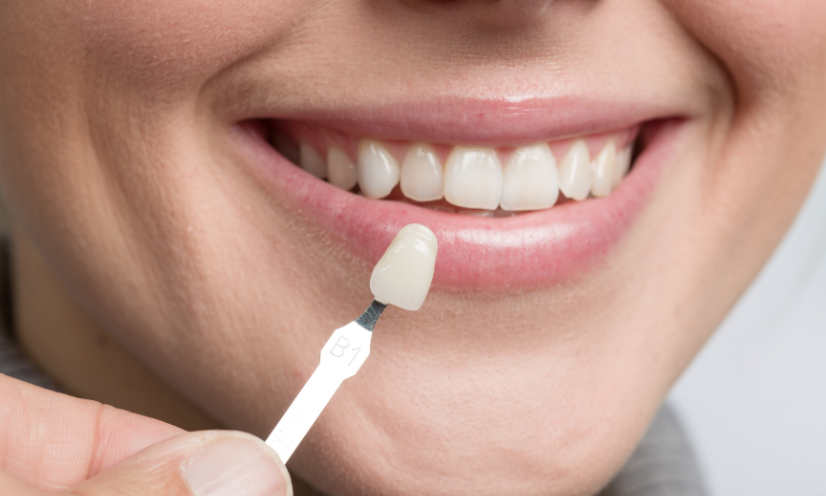
Dental veneers are thin shells placed over the front surfaces of teeth to improve their appearance. They can be made from different dental materials, with porcelain being one of the commonly used choices because of its appearance and durability. Veneers are individually designed rather than being identical for every patient. Their shape, size, shade, and proportions can be planned to complement the rest of the smile.
Unlike treatments that replace an entire tooth, veneers primarily focus on the visible front surface. This makes them a cosmetic solution for selected dental concerns. However, veneers are not suitable for everyone. A dentist needs to evaluate the condition of the teeth, gums, bite, and overall oral health before recommending treatment.
Which Dental Concerns Can Veneers Address?
One of the reasons veneers attract attention is their versatility in cosmetic dentistry. They may help improve the appearance of teeth affected by persistent discoloration that does not respond well to conventional whitening. They can also be considered for teeth with small chips, irregular edges, mild shape differences, or certain spacing concerns.
For some people, veneers can create a more consistent appearance across several visible teeth. A carefully designed veneer can make an individual tooth appear more proportionate without making the smile look artificial. The treatment is particularly focused on aesthetics, so expectations and communication between the patient and dentist are important parts of the planning process.
Why Personalized Veneer Design Matters
A beautiful smile is not simply about making every tooth extremely white or perfectly identical. Natural-looking cosmetic dentistry usually depends on proportions, symmetry, shade, and how the teeth relate to the lips and facial structure.
During the planning stage, a dental professional may consider the patient’s existing tooth shape, smile line, facial proportions, gum appearance, and bite. The desired shade is also discussed because excessively bright teeth may not always provide the most natural result.
Digital planning and modern dental technology can assist dentists in visualizing potential changes before treatment. Depending on the clinic and case, digital scans, photographs, or other diagnostic methods may be used to develop a more precise treatment plan.
The Dental Veneer Consultation
A consultation is an important first step because cosmetic treatment should begin with an assessment rather than simply selecting a veneer shade. The dentist will typically examine the teeth and gums and discuss the patient’s concerns and desired outcome.
Existing dental problems may need attention before cosmetic treatment begins. Cavities, gum disease, significant enamel damage, or certain bite problems can affect the suitability and longevity of veneers. A dentist can also explain whether veneers are appropriate or whether another cosmetic or restorative option may better address the concern.
Patients should use the consultation to ask about the material being recommended, preparation requirements, expected maintenance, possible limitations, and the anticipated appearance of the finished smile.
What Happens During Veneer Treatment?
The exact process depends on the type of veneers and the patient’s individual dental condition. In cases where tooth preparation is required, a small amount of enamel may be carefully adjusted to create the necessary space for the veneer. The dentist then takes impressions or digital scans to help create restorations that fit the teeth accurately.
Temporary restorations may sometimes be used while permanent veneers are being prepared. Once the final veneers are ready, the dentist checks their fit, shape, shade, and overall appearance. After any necessary adjustments, the veneers are bonded to the teeth using dental materials designed for secure attachment.
The process is highly individualized, and the number of appointments can vary depending on the complexity of the case and the type of veneers selected.
Are Veneers Comfortable?
Many patients are concerned about sensitivity or discomfort during veneer treatment. Since preparation requirements differ between individuals, the level of sensitivity can also vary. Some people may experience temporary sensitivity to hot or cold after treatment, particularly if the teeth have been prepared.
A dentist can discuss appropriate measures for managing sensitivity and explain what to expect during each stage. Patients should also report any persistent discomfort, unusual bite sensation, or other concerns after treatment so they can be professionally evaluated.
How Long Can Dental Veneers Last?
The lifespan of veneers depends on several factors, including the material used, quality of placement, oral hygiene, bite forces, and personal habits. Veneers are not indestructible, and although they can be durable, they may eventually require replacement.
Patients can support the longevity of their restorations by maintaining regular brushing and flossing, attending dental checkups, and avoiding habits that place excessive force on the teeth. Biting hard objects, opening packaging with the teeth, or frequently chewing very hard foods can increase the risk of damage.
People who grind or clench their teeth may require additional evaluation. In some situations, a dentist may recommend a protective night guard to reduce excessive forces on the restorations.
Caring for Your Veneers After Treatment
Looking after veneers is generally similar to maintaining natural teeth. Good daily oral hygiene remains essential because the teeth underneath and around the veneers still require protection from plaque and bacteria.
Brushing twice a day with an appropriate toothpaste and cleaning between the teeth can help maintain oral health. Regular professional dental examinations are also important. Even though veneers cover part of a tooth, they do not make the underlying tooth immune to decay or gum problems.
Diet can also influence oral health. Limiting excessive consumption of sugary foods and beverages can help reduce the risk of dental problems. Patients should follow the specific care recommendations provided by their dentist because individual needs can vary.
Choosing the Right Shade for Your Smile
Shade selection is one of the most important aesthetic decisions in veneer treatment. A shade that looks attractive in isolation may not necessarily complement the patient’s complexion, facial features, or existing teeth.
The dentist may evaluate the color of surrounding teeth and discuss whether the patient wants a subtle enhancement or a more noticeable transformation. If veneers are planned for only a few teeth, matching them with neighboring teeth becomes particularly important.
The objective should be a harmonious smile rather than simply choosing the brightest available shade. Proper shade planning can contribute significantly to a natural-looking result.
Are Dental Veneers Suitable for Everyone?
Veneers can be an effective cosmetic option for suitable candidates, but they are not a universal solution. Individuals with untreated dental decay, active gum disease, severely weakened teeth, or certain bite-related concerns may need other treatment first.
People who habitually grind their teeth may also require careful evaluation because excessive pressure can affect veneers. During the consultation, the dentist can determine whether veneers are appropriate based on oral health, cosmetic goals, and long-term considerations.
It is also important for patients to understand that some veneer procedures involve permanent alteration of the natural tooth structure. Asking detailed questions before treatment can help ensure that the decision is informed and realistic.
Final Thoughts on Improving Your Smile
A successful cosmetic dental treatment is about more than changing tooth color. Shape, proportions, function, oral health, and facial harmony all contribute to the final appearance. Dental Veneers in Dubai can provide a personalized approach for people who want to address selected cosmetic concerns and create a more polished smile. The best results begin with a detailed dental examination and a treatment plan designed around the individual’s needs rather than a one-size-fits-all approach. For patients considering cosmetic smile enhancement, consulting an experienced dental team such as Euromed Clinic Dubai can be an important step toward understanding suitable veneer options, treatment requirements, and long-term care.