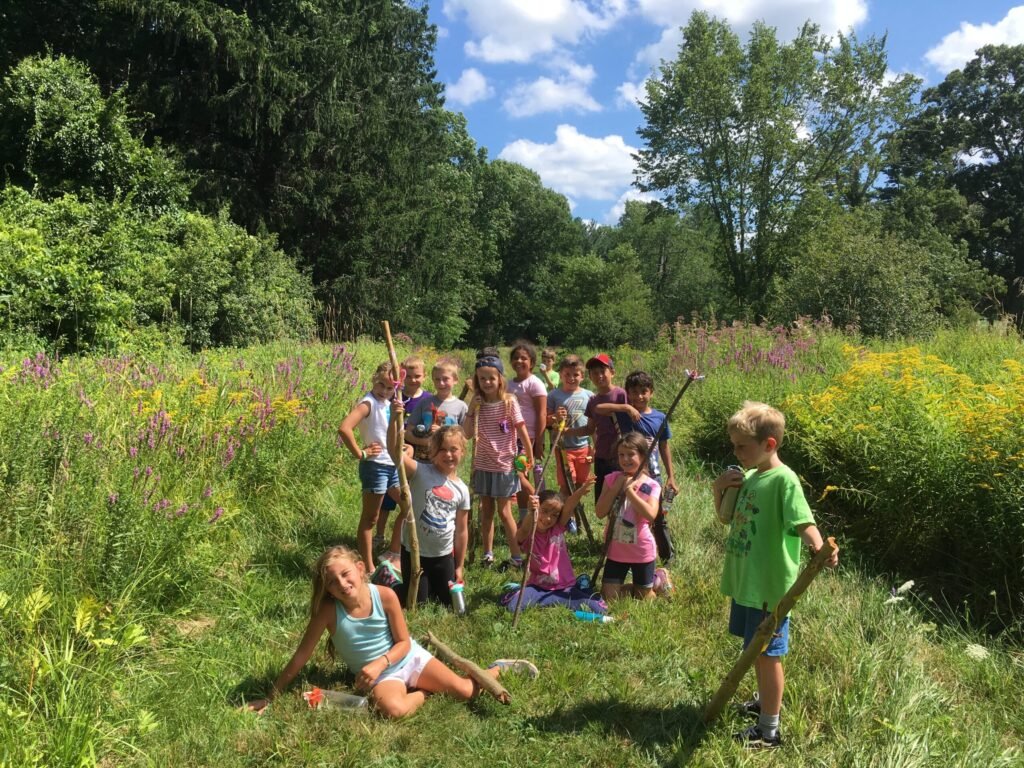
Watching a child tie their shoes, solve a small problem, or make a new friend without help can be a proud moment for any parent. These everyday achievements help children develop confidence and independence as they grow. A well-planned summer camp in Davie gives children opportunities to practice these skills in a supportive environment away from their usual routines. Through guided activities, new responsibilities, and positive social experiences, children learn to trust their abilities and become more self-reliant.
Why Independence Matters During Childhood
Independence is an important part of a child’s emotional, social, and practical development. It allows children to make age-appropriate choices, take responsibility for their actions, and handle everyday situations with growing confidence. Rather than expecting children to do everything alone, parents and educators can help them develop the skills needed to manage tasks with less assistance over time.
Summer camp provides a natural setting for this development because children experience situations that differ from those at home or school. They may need to organize their belongings, follow a schedule, participate in group activities, or ask a counselor for help when something feels difficult.
These experiences teach children that independence does not mean avoiding support. Instead, it means learning when to try something themselves and when to seek guidance. As children practice these behaviors, they become better prepared to handle new challenges at school, at home, and in their communities.
How Summer Camp Builds Everyday Self-Reliance
One of the most effective ways to encourage independence is to give children opportunities to manage small responsibilities themselves. A structured summer camp creates repeated opportunities for children to practice these tasks without parents immediately stepping in.
Managing Personal Belongings
At camp, children often need to keep track of water bottles, lunch containers, backpacks, hats, and activity supplies. Remembering these items encourages them to become more organized and aware of their personal responsibilities.
For example, a counselor might remind campers to check their belongings before moving to another activity rather than collecting everything for them. Children gradually learn to follow a simple routine, check what they need, and take responsibility for their possessions.
Parents can reinforce this habit at home by encouraging children to pack their own camp bags using a short checklist. Younger children may need pictures or verbal reminders, while older campers can take on more responsibility independently.
Following Daily Routines
A camp schedule helps children understand how to move from one activity to another, prepare for transitions, and manage their time. They might need to finish a craft before lunch, put away sports equipment, or get ready for an outdoor game when the counselor announces the next activity.
Following these routines builds awareness of time and expectations. Children also learn that completing one responsibility makes it easier for everyone to participate in the next activity.
Over time, predictable routines can reduce dependence on constant adult reminders. This skill is particularly useful when children return to school and need to manage classroom transitions, assignments, and personal materials.
Giving Children the Confidence to Make Decisions
Independence grows when children have meaningful opportunities to make choices and experience the results. Summer camp offers a safe environment where children can explore their preferences, think through simple decisions, and learn from mistakes.
Encouraging Age-Appropriate Choices
Campers may choose which craft to try, which role to take during a team game, or which activity to participate in when several options are available. These decisions allow children to express their interests while learning that their choices matter.
For younger children, a counselor might offer two suitable options. Older children may be ready to compare alternatives, plan how to complete a project, or decide how to contribute to a group challenge.
The goal is not to let children make every decision without guidance. Instead, adults provide reasonable boundaries while allowing children to make choices within them. This balance helps children develop judgment without feeling overwhelmed.
Learning From Mistakes Without Fear
Children sometimes forget their supplies, misunderstand instructions, or struggle to complete a task on the first attempt. These moments can become valuable learning opportunities when adults respond with patience rather than criticism.
A counselor might ask, “What could you try differently next time?” instead of immediately fixing the problem. This question encourages children to reflect, consider alternatives, and develop their own solutions.
A supportive summer camp environment helps children understand that mistakes are a normal part of learning. As they become more comfortable trying again, they may feel more willing to explore unfamiliar activities and tackle challenging tasks.
Developing Social Independence Through Group Activities
Independence involves more than managing personal tasks. Children also need to communicate their needs, build relationships, and participate confidently in social situations.
Making Friends and Starting Conversations
Meeting new children gives campers opportunities to introduce themselves, ask questions, join games, and discover shared interests. For a child who feels shy, these interactions may initially seem difficult.
Counselors can make the process easier by organizing partner activities, small-group projects, and cooperative games. These experiences provide natural reasons for children to talk and work together without requiring adults to manage every interaction.
As children practice starting conversations and joining activities, they may become more comfortable approaching classmates and making friends in other settings. Progress will vary, but even one positive interaction can encourage a child to try again.
Resolving Small Conflicts Respectfully
Disagreements can happen when children share materials, choose teams, or decide how to complete a project. With appropriate adult guidance, these situations teach children to explain their feelings, listen to others, and consider fair solutions.
For instance, two campers may want the same equipment during a game. A counselor can help them discuss taking turns or finding an alternative rather than automatically deciding everything for them.
Children gradually learn that they can address many everyday disagreements through communication and cooperation. They also discover when a conflict requires adult intervention, particularly when someone feels unsafe or is being treated unfairly.
Building Practical Life Skills Through Camp Responsibilities
A child’s confidence often increases when they realize they can complete useful tasks independently. Camp activities can introduce practical skills in an enjoyable, age-appropriate way.
Taking Care of Personal Needs
Depending on their age and the program’s activities, campers may practice opening lunch containers, filling water bottles, applying sunscreen with appropriate supervision, changing for activities, or remembering to use the restroom before an outing.
These tasks may seem small, but they help children understand their own needs and recognize when they should take action. Children also learn that staying comfortable and prepared often requires planning ahead.
Staff should adjust expectations to each child’s abilities and provide assistance when necessary. Safety-related responsibilities, including medication management and supervision during water activities, must follow the program’s policies and the child’s individual needs.
Helping With Shared Tasks
Cleaning up art supplies, returning sports equipment, arranging materials, and helping organize a group project teach children to contribute to a shared environment. These responsibilities show them that their actions affect other people.
For example, a group may need to return all its equipment before moving to the next activity. When each camper takes responsibility for one part of the cleanup, children see how individual effort supports the entire team.
These experiences encourage accountability without making children feel that every task is a punishment. They learn that caring for shared spaces is a normal part of participating in a community.
How Different Camp Activities Encourage Independence
Not every child develops independence in the same way. Some children become more confident through physical challenges, while others prefer creative projects or cooperative problem-solving. A varied summer camp program can offer different pathways for children to practice self-reliance.
The following table explains how common activities can support specific developmental skills.
| Camp activity | Independence skill | Practical example |
|---|---|---|
| Arts and crafts | Planning and decision-making | Choosing materials and completing a project |
| Team sports | Communication and accountability | Learning a role and following game rules |
| Nature exploration | Observation and problem-solving | Following instructions and identifying natural features |
| Group challenges | Critical thinking | Suggesting solutions when a task becomes difficult |
| Music and performance | Confidence and preparation | Practicing a part and getting ready for a presentation |
| Daily cleanup | Responsibility and organization | Returning equipment to its proper place |
| Guided outdoor games | Following directions and judgment | Preparing for an activity and recognizing safety rules |
These activities are most effective when counselors allow children to participate actively instead of completing every task for them. Adults should explain expectations, demonstrate unfamiliar skills, and provide help when needed while leaving room for children to take the lead.
The Role of Counselors in Encouraging Independence
Children need encouragement to become independent, but too much pressure can make new experiences feel intimidating. Camp counselors help create the right balance by offering guidance, maintaining clear boundaries, and allowing children to practice skills at their own pace.
Offering Support Without Taking Over
When a child struggles with a task, an adult can provide a small hint rather than immediately doing it for them. For example, if a camper cannot organize materials for a project, the counselor might ask which items are needed first.
This approach helps children think through the situation and attempt a solution. If the child remains frustrated, the counselor can break the task into smaller steps or demonstrate part of it before inviting the child to continue.
Support should match the child’s age, confidence, abilities, and individual needs. Some children may need repeated demonstrations, while others are ready to handle responsibilities with minimal reminders.
Recognizing Effort and Progress
Specific encouragement helps children understand what they did well. Instead of offering only general praise, a counselor might say, “You remembered to collect all your supplies before leaving the room.”
This feedback connects the child’s effort to a concrete achievement. It also reinforces the behaviors that support independence, including persistence, preparation, thoughtful decision-making, and responsibility.
Children should not have to complete every task perfectly to receive encouragement. Recognizing improvement helps them remain motivated even when learning takes time.
Choosing a Summer Camp That Supports Growing Independence
Parents looking for a suitable program should consider more than the activity calendar. The camp’s approach to supervision, decision-making, and child development can influence how much opportunity children have to practice independence.
A good starting point is to ask how staff encourage campers to manage age-appropriate responsibilities. Find out whether children can make reasonable choices, participate in group problem-solving, and practice everyday skills with guidance instead of constant adult intervention.
It is also important to understand staff qualifications, supervision practices, emergency procedures, and policies for handling conflicts or individual needs. Independence should never come at the expense of safety, inclusion, or emotional well-being.
When evaluating a summer camp in Davie, parents can ask how activities are adapted for different ages and confidence levels. They can also ask how counselors help children who feel nervous about joining a group or attempting an unfamiliar task.
The best fit is a program that combines engaging activities with clear expectations and supportive relationships. Children should feel encouraged to try new things while knowing that a trusted adult is available whenever they need help.
How Parents Can Reinforce Independence After Camp
The lessons children practice at camp become more meaningful when they have opportunities to use them at home. Parents can support this progress by gradually transferring responsibility rather than expecting an immediate change in behavior.
For example, children can prepare their school bags, choose clothes for the next day, put away their belongings, or help plan a simple family activity. Parents can explain expectations clearly and give children enough time to complete tasks without unnecessary interruptions.
It also helps to ask open-ended questions about camp experiences. Questions such as “How did you solve that problem?” or “What would you try next time?” encourage children to reflect on their choices and recognize their own progress.
Parents should expect occasional setbacks. A child who remembers everything one day may need reminders the next. Consistent encouragement, realistic expectations, and opportunities to practice are more helpful than criticism or comparisons with other children.
Recognizing Signs That a Child Is Becoming More Independent
Progress often appears through small behavioral changes rather than one dramatic achievement. Parents may notice that their child begins preparing for activities without being asked, remembers personal belongings more often, or attempts a difficult task before requesting help.
Other signs may include expressing preferences more clearly, approaching peers to join a game, or explaining how they handled a disagreement. Children may also become more willing to try unfamiliar activities, even if they still feel nervous at first.
However, independence looks different at every age and for every child. Some children develop practical skills quickly but need more time to feel comfortable socially. Others communicate confidently while continuing to need help with organization.
Rather than expecting children to manage everything alone, parents should look for gradual progress in effort, judgment, and willingness to try. These small achievements show that children are developing skills they can continue using as they grow.
Conclusion
Summer camp can play a valuable role in helping children become more independent by giving them meaningful opportunities to make choices, manage responsibilities, solve problems, and build relationships. Through daily routines, practical tasks, and supportive group activities, children learn that they are capable of handling many challenges with growing confidence. Parents can strengthen these lessons by encouraging age-appropriate responsibilities at home and celebrating progress rather than perfection. When families choose a program that balances safety, guidance, and freedom to explore, summer camp becomes more than a seasonal activity. It becomes an opportunity for children to develop useful skills that support their growth long after summer ends.
Frequently Asked Questions
1. At What Age Can Children Start Developing Independence at Summer Camp?
Children can begin practicing independence in early childhood, provided activities match their developmental stage. Younger campers might learn to put away toys or carry their belongings, while older children can manage more complex tasks. The right program provides appropriate guidance and supervision for each age group.
2. How Does Summer Camp Help Shy Children Become More Independent?
Camp can give shy children low-pressure opportunities to communicate, join group activities, and form friendships. Partner games and small-group projects help them practice social skills gradually. Supportive counselors can encourage participation without forcing children into uncomfortable situations.
3. What Skills Should Children Learn at Summer Camp?
Useful skills include organizing personal belongings, following routines, making decisions, communicating needs, cooperating with others, and solving simple problems. Children may also practice caring for shared equipment and completing age-appropriate responsibilities. The skills developed will depend on the activities and the child’s readiness.
4. Can a Day Summer Camp Help Children Become More Self-Reliant?
Yes. Children do not need to attend an overnight program to practice independence. A day camp can help them manage daily routines, interact with peers, make choices, and take responsibility for their belongings while returning home to familiar surroundings each afternoon.
5. How Can Parents Tell Whether Summer Camp Is Helping Their Child Become Independent?
Parents can look for gradual changes, such as completing familiar tasks with fewer reminders, trying new activities, asking for help appropriately, and taking responsibility for personal belongings. Discussing camp experiences with the child can also reveal what they are learning and which skills they feel proud of developing.