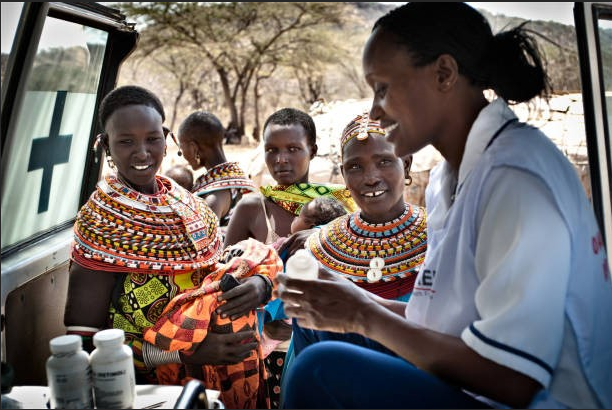
A clinic can be only 40 miles away and still feel out of reach when roads are unreliable, transportation is limited, or taking a day off means losing needed income. In remote communities, the problem is often bigger than distance alone. Cost, staffing, connectivity, and limited nearby services can all affect whether care is actually accessible.
Mobile clinics help narrow those gaps by taking essential services closer to where people live. Strong programs can improve local access, target higher-need areas, provide early screenings, connect patients with specialists, maintain records, support affordable treatment, share health guidance, and return for follow-up care.
Key Takeaways
- Mobile clinics improve access by placing essential healthcare closer to communities facing transportation and distance barriers.
- Need-based planning helps teams direct limited staff, supplies, and clinic time toward areas with greater health gaps.
- Early screenings help identify health concerns sooner, while telehealth can connect patients with expertise unavailable locally.
- Portable records and affordable medication support make treatment easier to continue across repeated mobile clinic visits.
- Health education and planned return visits help families manage care between visits while giving teams opportunities to monitor progress.
8 Ways Mobile Clinics Bring Healthcare Support Closer to Hard-to-Reach Areas
Improve Care Access
Instead of expecting patients to travel to a distant facility, mobile teams can schedule stops near schools, markets, community centers, workplaces, or other regularly used locations. This integrates basic healthcare into existing daily routines rather than requiring a separate trip to a distant clinic.
In remote communities, predictable rotating stops can help patients access screenings, preventive care, and basic treatment closer to home. Locally announced schedules and walk-in periods also give people a clearer opportunity to seek care before a minor concern becomes more difficult to manage.
Why it matters: Locating services in regularly used community spaces reduces unnecessary travel and provides patients with a more practical way to access timely care.
Target Areas With Greater Need
Limited mobile clinic capacity means that not every location can receive the same level of service at the same time. Teams can compare disease patterns, missed-care rates, maternal health needs, local provider shortages, and recent community reports to identify where additional support is most urgent.
This helps humanitarian aid programs direct staff, testing supplies, medicines, and appointment time toward populations facing the greatest health gaps. One area may require more chronic disease screening, while another may need maternal care or infection management. Decisions can then reflect current needs rather than an identical schedule for every location.
Why it matters: Need-based targeting helps ensure scarce healthcare resources reach populations facing the largest service gaps, rather than being distributed evenly without context.
Deliver Early Health Screenings
Many chronic or infectious conditions become harder to manage because they are discovered too late. Mobile clinics can make preventive checks more accessible by offering blood pressure measurements, glucose testing, pregnancy-related screening, basic infection checks, and other point-of-care assessments.
The real value comes from connecting a result to action. If a patient has an abnormal reading, the team can explain the finding, provide basic treatment where appropriate, arrange follow-up, or initiate a referral. This makes screening especially useful where routine primary care remains difficult to access and delayed diagnosis can increase both health risks and treatment costs.
Why it matters: Early screening gives patients a better chance to address health risks before symptoms become severe, costly, or harder to treat.
Connect Patients With Specialists
A mobile unit does not need every medical specialist to be physically on board to expand access to specialized care. With telehealth, a nurse or community health worker can collect vital signs, document symptoms, prepare a patient for a remote consultation, and help explain the specialist’s recommendations afterward.
For remote communities, this can reduce unnecessary long-distance travel while giving patients access to expertise that may not exist locally. It can also help primary care teams determine which cases can be managed locally and which require higher-level evaluation. Reliable privacy practices, basic digital equipment, and backup connectivity plans are essential for making these virtual connections useful.
Why it matters: Specialist connections expand the value of each mobile visit by giving patients access to expertise unavailable in their local area.
Maintain Portable Patient Records
A patient should not have to repeat the same medical history every time a mobile clinic returns. Portable records allow teams to track previous screenings, medications, referrals, allergies, and follow-up needs across multiple visits and locations.
Digital systems can be particularly useful, but they should also work around unreliable connectivity. Mobile teams may need offline access, synchronized records, or paper backups when broadband disappears. Strong recordkeeping also supports sanitation services and other community-based interventions by helping teams recognize recurring environmental or household health patterns over time rather than treating each symptom as an isolated event.
Why it matters: Reliable records prevent patients from having to restart their health story at every visit and make follow-up care safer and more consistent.
Provide Medicines and Follow-Ups
A diagnosis only helps when patients can continue the treatment that follows. Mobile teams can review medications, provide basic treatment, explain proper use, monitor chronic conditions, and arrange follow-up when another check or referral is needed.
Affordability can be just as important as availability. According to UNICEF, mobile clinics usually provide services free of charge, including medication, with support from USAID’s Bureau for Humanitarian Assistance. This helps families who may otherwise struggle with transport, consultation, or medicine costs. Follow-up can include repeat visits, medication checks, nutrition monitoring, or referral to a higher-level facility.
Why it matters: Free medicines and planned follow-up help families continue treatment when healthcare costs and distance would otherwise interrupt essential care.
Combine Care with Health Education
A few well-chosen minutes of health guidance can extend the value of a clinic visit long after the patient goes home. Teams can use waiting periods or discharge conversations to explain medication safety, hydration, hygiene, warning signs, nutrition, preventive care, or when emergency attention is needed.
Mobile teams can make this guidance easier to use through spoken explanations, demonstrations, visual materials, and brief one-to-one conversations rather than dense written handouts. UNICEF has documented mobile and outreach teams providing nutrition counseling and hygiene education support alongside treatment, helping caregivers understand practices they can continue at home. Using simple visual instructions can also help teams reduce language barriers.
Why it matters: Practical health education gives families clear actions they can follow after the clinic leaves, rather than information that ends with the appointment.
Complete Follow-Up
Mobile clinics can strengthen continuity by revisiting the same communities after an initial visit. Where Somalia Poverty limits transportation, nearby facilities, and regular access to care, return visits allow teams to check recovery, repeat important screenings, review medication use, and see whether earlier treatment is helping.
These scheduled visits also give patients another opportunity to raise new concerns or reconnect with care they could not continue elsewhere. By returning to familiar locations, mobile teams can maintain a clearer picture of changing health needs rather than treating each visit as an isolated encounter.
Why it matters: Returning to the same areas helps mobile teams monitor recovery, continue treatment, and provide more consistent care over time.
Turning Mobile Visits into Lasting Care
Mobile clinics can do more than fill a temporary healthcare gap. For remote communities, their value grows when accessible locations, targeted outreach, early screening, specialist connections, portable records, medication support, and practical health guidance work together.
Regular return visits can further strengthen that model by allowing teams to monitor recovery, repeat screenings, review treatment, and respond to changing needs. Instead of treating each stop as a separate event, mobile healthcare can establish an ongoing point of contact for people with few dependable options nearby. That continuity makes outreach more useful, responsive, and connected to everyday health needs.
Support practical healthcare and poverty-response initiatives through World Poverty Solutions LLC and help essential services reach communities facing persistent access barriers.
FAQs
What healthcare services can mobile clinics provide?
Mobile clinics may provide screenings, basic treatment, medication support, health education, telehealth access, nutrition services, and follow-up care.
How do mobile clinics provide continued care?
Teams can revisit communities, review treatment progress, repeat screenings, check medication use, and respond to new health concerns.
Can mobile clinics work without reliable internet?
Yes. Offline records, paper backups, satellite connections, and synchronized systems can keep essential care processes working when connectivity is limited.
Can mobile clinics make healthcare more affordable?
Some humanitarian mobile clinics provide free or subsidized consultations, medicines, and basic services for families facing significant financial barriers.
Why do mobile clinics return to the same areas?
Return visits allow teams to monitor recovery, continue treatment, identify new concerns, and maintain care where permanent facilities remain difficult to access.