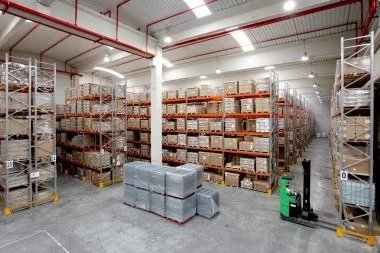
In busy warehouses, engineering workshops, manufacturing plants, and maintenance departments, efficiency depends on more than skilled employees and modern machinery. The workspace itself has a significant impact on productivity, safety, and the quality of work being completed. One of the most overlooked yet valuable pieces of workplace equipment is the workbench.
A well-designed workstation provides a dedicated area for assembly, repairs, inspections, packing, and maintenance tasks. Beyond simply offering a flat surface, industrial workbenches help organise tools, improve workflow, and create safer, more ergonomic working environments. Choosing the right solution can deliver long-term operational benefits while supporting employee wellbeing and business growth.
Why Every Industrial Workplace Needs a Dedicated Workbench
Employees often perform precision tasks that require stability, organisation, and easy access to equipment. Working on unsuitable tables or temporary surfaces can slow productivity, increase fatigue, and raise the risk of accidents.
High-quality workbenches create purpose-built workstations that allow employees to carry out tasks more efficiently. Common applications include:
- Product assembly
- Equipment maintenance
- Quality inspections
- Packaging and dispatch
- Electrical work
- Engineering projects
- Vehicle servicing
- General workshop repairs
A dedicated workstation also helps maintain a tidy workspace by reducing clutter and keeping frequently used tools within easy reach.
Types of Industrial Workbenches
Different industries have different operational requirements, making it important to select a workbench designed for the intended application.
Heavy-Duty Workbenches
Designed for demanding industrial environments, heavy-duty benches feature reinforced steel frames and high load capacities. They are ideal for engineering workshops, manufacturing facilities, and warehouses where heavy equipment or components are handled daily.
Adjustable-Height Workbenches
Height-adjustable models enable employees to work comfortably whether sitting or standing. These benches are particularly useful where multiple users share the same workstation or where tasks vary throughout the day.
Mobile Workbenches
Workstations fitted with heavy-duty castors provide flexibility for maintenance teams, production areas, and facilities where equipment regularly needs repositioning.
Steel Workbenches
Steel benches are highly durable, resistant to impact, and easy to maintain. They perform well in busy industrial environments where reliability is essential.
Bespoke Workbenches
Some businesses require customised layouts with integrated drawers, shelving, power outlets, lighting, or specialist accessories to suit unique operational processes.
How Ergonomic Workstations Improve Productivity
Employee comfort has a direct influence on productivity and workplace safety. Poor workstation design can contribute to fatigue, repetitive strain, and reduced concentration over time.
An ergonomically designed workbench helps by:
- Supporting correct working posture
- Reducing unnecessary bending and reaching
- Improving access to tools and equipment
- Minimising repetitive movements
- Creating a more organised workspace
Small ergonomic improvements can significantly increase efficiency while helping reduce workplace injuries and absenteeism.
Industrial Workbenches vs Standard Work Tables
Although standard tables may appear suitable initially, they rarely provide the strength or functionality required in commercial environments.
Industrial workbenches offer several advantages:
- Greater structural strength
- Higher load capacities
- Longer service life
- Better resistance to impact and wear
- Integrated storage options
- Improved stability for precision work
When combined with organised industrial shelving, businesses can create highly efficient work areas where equipment, tools, and materials are always accessible without cluttering valuable workspace.
Choosing the Right Workbench
Selecting the ideal workstation begins with understanding how it will be used.
Consider the following factors:
- Available workspace
- Maximum load requirements
- Type of work performed
- Storage requirements
- Mobility needs
- Future expansion
- Compatible accessories
For example, an engineering workshop handling heavy machinery requires a different specification from an electronics assembly station or maintenance department.
It’s also worth considering how the workbench integrates with wider warehouse storage solutions to create efficient workflows across the entire facility.
Frequently Asked Questions
What is the best material for an industrial workbench?
Steel frames are widely regarded as the most durable option for demanding industrial environments due to their strength and long service life.
Are adjustable-height workbenches worth it?
Yes. They improve comfort, support better posture, and accommodate different users and working styles.
How much weight can an industrial workbench support?
Load capacities vary depending on design. Heavy-duty models are built to safely support substantial weights, but businesses should always select a bench suited to their operational requirements.
Can workbenches include storage?
Many models feature integrated drawers, cupboards, shelving, and tool panels to improve organisation and maximise workspace efficiency.
Are mobile workbenches suitable for workshops?
Yes. Mobile units are ideal where equipment needs to move between different work areas while maintaining organised tool storage.
How do workbenches improve workplace safety?
They reduce clutter, provide stable working surfaces, encourage better posture, and help keep tools organised, reducing the risk of trips and accidents.
Can workbenches be customised?
Many manufacturers offer bespoke options, including specialist worktops, electrical outlets, lighting, storage accessories, and tailored dimensions.
How long should a quality industrial workbench last?
With appropriate use and maintenance, a well-built industrial workbench can provide many years of reliable service.
Conclusion
The right workbench is far more than a piece of workshop furniture. It forms the foundation of an organised, productive, and safer working environment. By selecting a solution that matches operational requirements, businesses can improve efficiency, enhance employee comfort, and protect valuable equipment while supporting long-term growth.
Before investing, it’s worth consulting experienced workplace storage and equipment specialists who can recommend a solution tailored to your workspace, workload, and future business needs. A well-planned workstation delivers lasting value and helps create an environment where employees can work safely and efficiently every day.