roofer Harrisburg
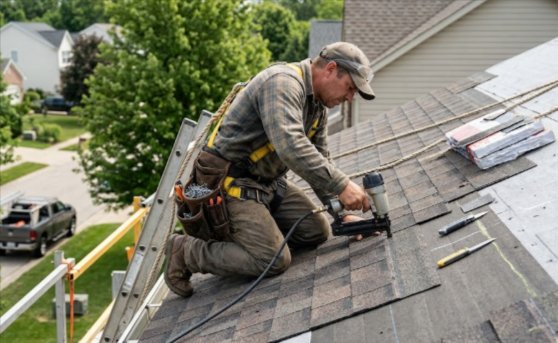
Your roof protects insulation, framing, ceilings, and belongings from rain, wind, snow, and seasonal temperature changes. When shingles loosen or a leak appears, choosing the right contractor matters because an incomplete repair can leave the underlying problem unresolved. Homeowners in Harrisburg, PA, should look for a roofer who can explain the damage, document the recommended work, and complete repairs with attention to safety and detail.
When searching for a roofer in Harrisburg, PA, focus on qualifications, relevant experience, communication, and the clarity of the written estimate. A professional should inspect the roof’s condition, identify likely causes, and explain whether the problem is localized or part of broader deterioration. Be cautious of recommendations made without a meaningful assessment or pressure to approve expensive work immediately after a storm.
Start With a Careful Roof Assessment
Roof problems can begin with missing shingles, cracked material, loose ridge caps, damaged flashing, or failed seals around penetrations. Ice dams can also form when melting snow refreezes near roof edges, potentially forcing water beneath shingles and causing leaks. Inside, water stains, peeling paint, damp insulation, and musty odors can indicate moisture. These signs should be investigated, but they do not always identify the exact source; condensation and plumbing leaks can produce similar symptoms.
A roofer should examine the damaged area and nearby components, including valleys, roof edges, vents, chimneys, and transitions where different surfaces meet. Ask the contractor to explain what was observed and, when practical, provide photographs. Do not climb onto a wet, steep, icy, or storm-damaged roof to verify the findings yourself.
Check Qualifications and Professional Practices
Confirm applicable registration and insurance requirements for the work and location. In Pennsylvania, most home improvement contractors must register with the Attorney General’s Office under the Home Improvement Consumer Protection Act. Homeowners can search the Pennsylvania contractor registration database to check a contractor’s registration status. Ask for proof of general liability insurance and workers’ compensation coverage, and verify that the policies are appropriate and current. General liability insurance helps address covered third-party property damage or injuries, while workers’ compensation provides coverage for eligible work-related employee injuries.
Ask about experience with your roof’s material and design, especially if the roof includes metal panels, skylights, complex valleys, or older products. References and examples of comparable completed projects can help you judge whether the contractor’s experience fits the job.
A professional contractor should explain the work clearly, answer questions, and provide written documentation. Ask who will supervise the project, whether subcontractors will be involved, how the property will be protected, and how unexpected damage will be handled. Clear communication before work begins reduces confusion when the crew is on site.
Compare Estimates on More Than Price
A useful estimate identifies the repair area, materials, labor, preparation, cleanup, and disposal. It should explain whether flashing, underlayment, damaged decking, or other related components are included. If the contractor cannot determine the full extent until materials are removed, the proposal should describe how additional work will be documented and approved.
Compare the scope of each estimate line by line. A lower price may exclude important work or use a different material, while a higher estimate should explain the added value. Ask about payment terms, scheduling, warranty coverage, and whether the repair is expected to match the existing roof in appearance. Older or discontinued products can make an exact match difficult.
Storm Damage and Insurance Documentation
After high winds, hail, or falling branches, inspect the property from a safe location for displaced shingles, debris, damaged gutters, and visible roof openings. If you suspect damage, arrange a professional inspection and photograph what can be seen safely. Prevent further damage only through safe, temporary measures; do not attempt roof work in hazardous weather.
If you plan to contact your insurer, keep inspection notes, photographs, estimates, invoices, and communication records together. Ask the insurer about its process and documentation requirements. Avoid signing an assignment of benefits (AOB) agreement on the spot, particularly before your insurer has inspected the damage and explained your coverage. An AOB may transfer certain rights to insurance benefits to a contractor or another party, potentially affecting how your claim is handled. Read the agreement carefully and understand its terms before signing.
A roofing contractor can describe observed damage, but coverage decisions belong to the insurer and depend on the policy and circumstances.
Keep the Roof in Better Condition Between Repairs
Clear gutters and downspouts, trim branches that threaten the roof, and look for recurring interior moisture. Arrange inspections after significant weather and address small defects before water reaches the roof deck or interior finishes. Avoid pressure washing or applying unapproved coatings, which can damage some roofing materials or interfere with their intended performance.
Choose a Roofer With Confidence
The right contractor provides a clear assessment, a detailed scope, realistic expectations, and workmanship suited to your roofing system. For your Harrisburg home, verify qualifications, compare estimates carefully, and ask how the repair will address the underlying cause. Whether you need storm-damage work or routine roof maintenance, informed selection helps protect your property and reduces the risk of repeated problems.