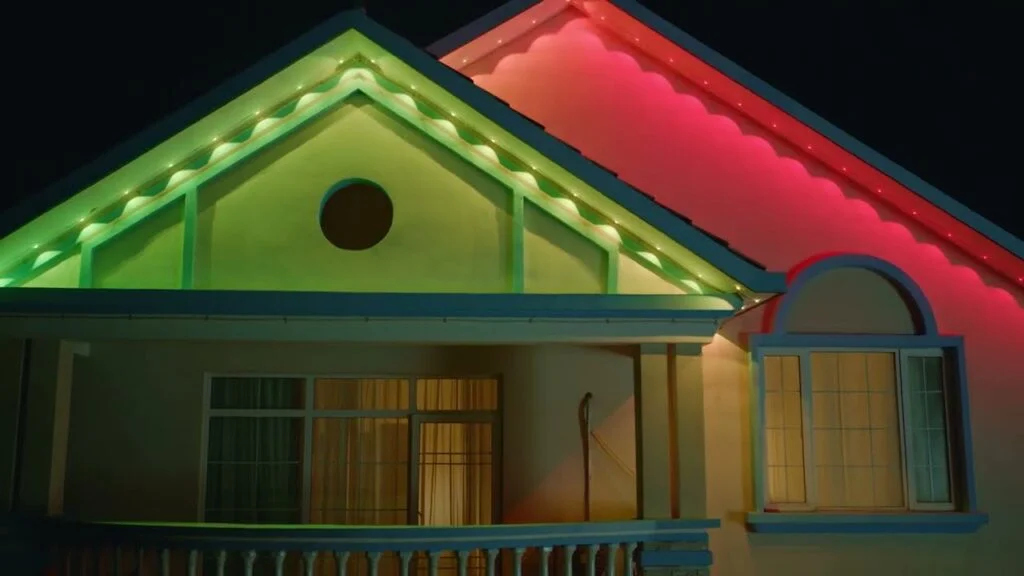
Right RGBIC Lighting Design for Your Outdoor Space
Outdoor lighting can completely change the appearance and atmosphere of a home after sunset. Modern lighting systems give homeowners more control over colors, brightness, patterns, and timing than traditional outdoor fixtures. RGBIC technology takes this flexibility further by allowing different sections of a lighting system to display multiple colors and effects.
Choosing the right RGBIC lighting design, however, requires more than selecting a product with attractive colors. The size of your property, architectural features, outdoor activities, preferred style, and installation location can all influence the final result. A thoughtful lighting plan can help you create an exterior that looks balanced, functional, and attractive throughout the year.
Determine the Main Purpose of Your Lighting
The first step in choosing an RGBIC lighting design is understanding why you want outdoor lighting. Some homeowners are mainly interested in improving curb appeal, while others want to make patios, decks, and backyard spaces more enjoyable after dark. Your primary goal can help determine where the lights should be installed and what type of design will work best.
If appearance is your main priority, architectural areas such as rooflines, windows, columns, and entryways can be good places to start. If entertainment is more important, you may want to concentrate on patios, decks, seating areas, and other spaces where people spend time. RGBIC lighting can also provide flexible options for holidays and special events.
Think about how you expect to use the lighting throughout the year. A system that looks good during a celebration should also be practical and attractive during an ordinary evening. Choosing a design with multiple uses can make your investment more useful over the long term.
Understand How RGBIC Technology Works
RGBIC lighting differs from basic RGB lighting because individual sections of a compatible lighting system can display different colors at the same time. Instead of having one color across an entire strip or group of lights, RGBIC technology can create combinations, transitions, patterns, and more detailed visual effects.
This capability can be useful when creating a customized outdoor appearance. For example, different colors can be arranged along a roofline to create a decorative pattern, or multiple shades can be combined to produce a more gradual visual effect. The exact capabilities depend on the specific lighting system and its controls.
Before choosing an RGBIC setup, consider how much customization you actually want. Some homeowners prefer simple colors and subtle illumination, while others enjoy experimenting with different scenes and effects. Understanding the technology can help you choose features that match your personal preferences instead of paying for options you may rarely use.
Study Your Home’s Architecture
The structure of your home should be an important part of your lighting plan. Every property has different rooflines, corners, windows, walls, landscaping, and outdoor features. A lighting design that looks excellent on one house may not produce the same result on another.
Walk around your property during the daytime and identify the architectural features you would like to highlight. Rooflines can create strong visual outlines, while windows and entryways can add smaller points of interest. Patios and decks can also be incorporated when the goal is to create a more complete outdoor environment.
Choose a Suitable Color Strategy
RGBIC lighting provides many color possibilities, but using every available color at once is not always the best approach. A carefully selected color palette can make an outdoor space look more organized and visually appealing.
For everyday use, many homeowners may prefer softer or more neutral colors that complement the home’s exterior. Brighter combinations can then be reserved for holidays, parties, sporting events, or other occasions. This approach allows the same lighting system to serve different purposes without permanently changing the physical installation.
Consider Brightness and Visibility
Brightness is just as important as color when planning outdoor lighting. Extremely bright lights may draw attention to the property, but excessive illumination can create glare and make certain areas uncomfortable. A design should provide enough visibility without overwhelming the surrounding environment.
Adjustable brightness can give homeowners more flexibility. You might use a lower setting during normal evenings and increase the brightness when you are hosting guests or want particular architectural features to stand out.
Think about where the light will be visible. A roofline installation may be viewed from the street, while patio lighting may be viewed primarily by people sitting nearby. Considering the distance and viewing angle can help determine appropriate brightness levels.
Measure the Installation Area
Accurate measurements are essential before purchasing lighting for an outdoor project. Estimate the length of each roofline, deck perimeter, patio edge, or other area where you plan to install the system. Include corners and changes in direction when determining the total length required.
Measuring each section individually can make the planning process easier. It also helps reduce the possibility of purchasing too little lighting or having unnecessary excess material.
For larger homes, it may be helpful to create a simple drawing of the property and mark where each section of lighting will be installed. This can provide a clearer idea of how the different sections will connect and how the finished design will look.
Consider Florida’s Outdoor Conditions
Weather should be considered when selecting and installing outdoor lighting, particularly in regions with significant exposure to heat, humidity, rain, and storms. Exterior components need to be appropriate for the location where they will be installed.
Homeowners should review the manufacturer’s specifications to determine whether a particular lighting product is suitable for outdoor use and the intended installation environment. Covered areas may have different exposure levels compared with open rooflines or other fully exposed locations.
Proper placement and installation can also help protect the system from unnecessary environmental exposure. When planning a project, consider not only how the lights will look but also how they will interact with the surrounding environment throughout the year.
Decide Whether Professional Installation Is Needed
Small lighting projects may be manageable for homeowners who are comfortable with installation work and smart-home technology. Larger projects can be considerably more complicated, particularly when lights need to follow long rooflines or multiple architectural sections.
Professional installation can help with measuring, positioning, mounting, cable management, connections, and system configuration. It can also help create consistent spacing and alignment, which can have a major effect on the final appearance.
Homeowners researching Govee Outdoor Lights Installation florida may want to consider professional assistance when dealing with large properties, complicated roof structures, or multiple outdoor areas. A professional approach can help ensure that the lighting design works with the architecture instead of appearing randomly placed.
Plan Around Outdoor Living Areas
Outdoor spaces such as patios, decks, porches, and seating areas can become much more useful after dark with a well-designed lighting system. RGBIC lights can provide different settings depending on whether the area is being used for quiet relaxation or social gatherings.
Consider dividing larger outdoor areas into visual zones. A seating area might use softer lighting, while pathways or architectural features can have slightly stronger illumination. This creates depth and prevents the entire outdoor space from appearing uniformly bright.
Use Smart Controls to Customize Your Experience
Smart controls are an important part of many modern RGBIC lighting systems. Depending on the product, homeowners may be able to adjust colors, brightness, lighting effects, and scenes through a compatible mobile application.
This can make permanent outdoor lighting much more convenient. Instead of physically reaching the lights whenever you want to change their appearance, you can use the available smart controls to make adjustments.
Scheduling can also be useful for everyday operation. Homeowners may choose to have exterior lights turn on during evening hours and turn off later at night. Before purchasing a system, review its available control features and confirm that they match the way you intend to use the lighting.
Design for Different Seasons
One of the biggest advantages of RGBIC lighting is its ability to adapt to different occasions. A permanent installation does not have to look identical every day of the year.
During normal evenings, you can select a simple color scheme that complements the home. During holidays, the colors can be changed to create a seasonal appearance. Special events can also have their own lighting themes.
When planning your design, think beyond the first few months of use. A flexible color system can provide more value when it continues to offer useful options for different seasons, celebrations, and everyday situations.
Avoid Excessive Lighting Effects
RGBIC technology makes it possible to create impressive patterns and color transitions, but more effects do not always mean a better design. An outdoor space can become visually distracting if too many colors or rapidly changing patterns are used at once.
Start with a simple concept and experiment with different settings after the installation is complete. You may discover that a few coordinated colors create a stronger appearance than a complicated sequence of effects.
The goal should be to complement the architecture and outdoor environment. Lighting should enhance the property rather than become the only feature people notice.
Think About Daytime Appearance
Although outdoor lighting is primarily used at night, the physical installation can remain visible during the day. This means the mounting method, cable placement, and overall positioning should be considered as part of the design.
A clean installation can blend more naturally with the exterior of the home. Uneven spacing, loose components, or unnecessary visible cables may distract from the property’s appearance when the lights are turned off.
Before installation, consider where each component will be positioned and how it will look from common viewing angles. Good planning can help the system remain attractive both during the day and after sunset.
Consider Long-Term Maintenance
Outdoor lighting requires occasional inspection and maintenance. Dust, leaves, weather exposure, landscaping growth, and other environmental factors can affect the appearance and performance of the system over time.
Homeowners should periodically inspect accessible sections for loose components, damaged areas, or changes in lighting performance. Keeping surrounding plants and landscaping under control can also help preserve the intended lighting effect.
Following the manufacturer’s recommendations for cleaning, operation, and maintenance can help protect the system. Regular attention is generally easier than waiting until a larger problem develops.
Compare Features Before Choosing a System
Before making a final decision, compare the features that are most important for your outdoor space. Look at color capabilities, brightness control, smart features, outdoor suitability, installation requirements, and the overall design you want to achieve.
Price is another consideration, but it should not be the only deciding factor. A system that costs less may not provide the customization or control options you want, while an advanced system may offer features that you never use.
Create a Design That Fits Your Home
The best RGBIC lighting design is one that works naturally with your property’s architecture and your lifestyle. Instead of copying a lighting setup from another home, use your own roofline, outdoor spaces, landscaping, and personal preferences as the starting point.
Consider which areas deserve attention, which colors complement your exterior, and how the lighting should look from different viewpoints. A balanced design can provide visual interest without making the property feel excessively bright or complicated.
Professional planning can be particularly helpful when several areas need to work together. With careful placement and appropriate settings, RGBIC lighting can create a unified appearance across the entire outdoor space.
Final Thoughts
Choosing the right RGBIC lighting design involves more than selecting colorful outdoor lights. Homeowners should consider the purpose of the lighting, property architecture, installation area, brightness, color strategy, weather conditions, smart controls, and future use.
A well-planned system can improve curb appeal while also making patios, decks, and other outdoor areas more enjoyable. The ability to change colors and effects provides additional flexibility for holidays, gatherings, and everyday evenings.
Whether you choose a simple design or a more dynamic RGBIC setup, careful planning is the key to a successful result. When the lighting works with the architecture of your home and is installed with attention to spacing, alignment, and placement, it can become a practical and attractive part of your outdoor environment for years to come.