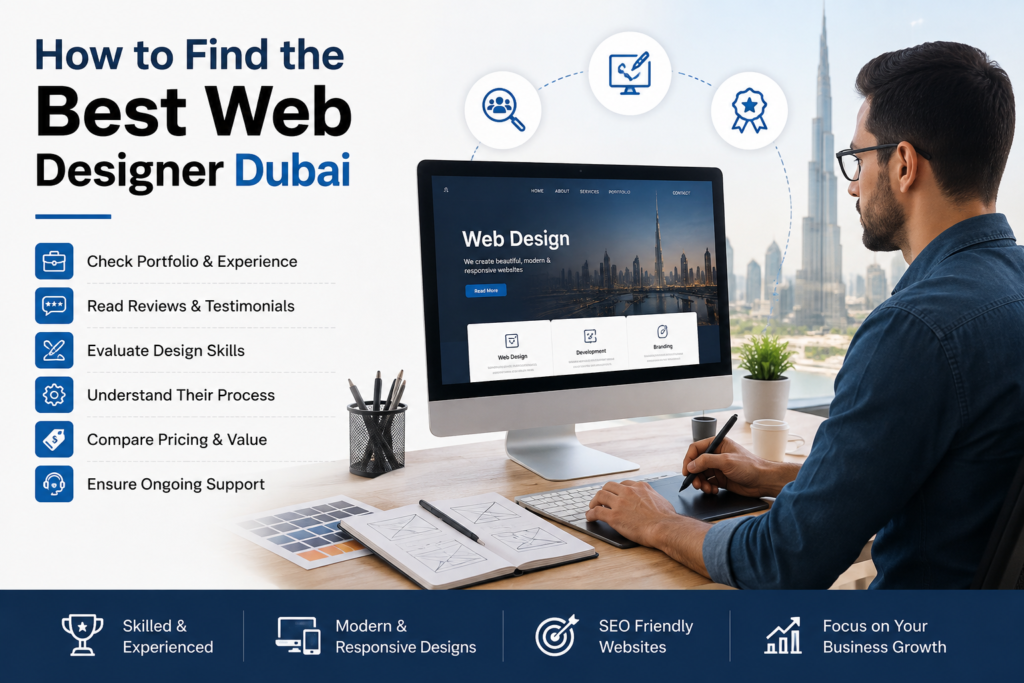
Dubai, a global hub of innovation and commerce, hosts thousands of web design agencies and freelancers. With such a vast market, finding the best web designer for your business can feel overwhelming. Whether you’re a startup, small business, or enterprise looking to establish your digital presence, selecting the right web designer is crucial for your online success. This comprehensive guide will walk you through the essential steps and considerations to help you find the perfect web design partner in Dubai.
Understanding Your Web Design Needs
Define Your Project Requirements
Before searching for a web designer, clearly outline what you need. Are you building an e-commerce website, a corporate site, a portfolio, or a service-based website? Understanding your project scope will help you communicate effectively with potential designers and narrow down your search. Create a detailed brief that includes your target audience, primary goals, desired features, and budget.
Establish Your Budget
Dubai’s web design market offers options at various price points. Budget-friendly freelancers may charge AED 2,000-5,000, while mid-range agencies charge AED 8,000-20,000, and premium agencies can exceed AED 50,000. Determining your budget early helps you filter options and prevents wasted time pursuing designers outside your financial range.
Set Clear Timeline Expectations
Understand how quickly you need your website completed. Complex projects typically require 8-12 weeks, while simpler sites may take 4-6 weeks. Clear timeline communication prevents misunderstandings and ensures both parties are aligned from the start.
Researching Web Designers in Dubai
Explore Online Portfolios and Case Studies
Begin your search by reviewing designers’ previous work. Most professional web designers maintain portfolios showcasing their best projects. Look for designers who have experience in your industry and whose aesthetic aligns with your vision. Quality case studies demonstrate not only design skills but also the designer’s problem-solving approach and understanding of client objectives.
Check Industry Credentials and Certifications
Reputable web designers often hold certifications from recognized organizations such as Adobe, Google, or web development institutes. These credentials indicate commitment to professional development and mastery of industry-standard tools and practices. Don’t hesitate to ask potential designers about their qualifications and ongoing training.
Read Client Reviews and Testimonials
Google Reviews, Clutch.co, and industry-specific platforms provide valuable insights into designer performance and client satisfaction. Look for consistent patterns in reviews rather than focusing on individual comments. Pay attention to feedback regarding communication, timelines, quality, and post-launch support. A designer with mostly positive reviews and transparent responses to criticism is generally a reliable choice.
Check Social Media and Professional Networks
LinkedIn profiles reveal a designer’s professional history, endorsements, and recommendations. Social media accounts show their current work and industry engagement. Active participation in design communities demonstrates their passion and commitment to staying updated with latest trends.
Evaluating Web Designer Credentials
Verify Technical Expertise
Modern web design requires proficiency in multiple technologies. Ensure your designer is skilled in responsive design (mobile-friendly websites), current web technologies like HTML5 and CSS3, content management systems like WordPress, and understands SEO fundamentals. Familiarity with tools like Adobe Creative Suite, Figma, and project management software is valuable.
Assess Design Philosophy and Approach
Every designer has a unique approach to web design. Some prioritize aesthetics, while others emphasize functionality and user experience. During consultations, discuss their design philosophy. The best web designer will understand that good design isn’t just beautiful—it’s strategic, user-focused, and aligned with your business objectives.
Consider Technical SEO Knowledge
A website is only valuable if people can find it. Quality web designers understand basic SEO principles, including proper HTML structure, meta tags, image optimization, and fast loading speeds. They should demonstrate awareness of search engine guidelines and how design choices impact your site’s discoverability.
The Selection Process
Request Consultations and Proposals
Contact your shortlisted designers and request free consultations. These meetings reveal whether a designer truly understands your vision, listens to your needs, and explains their process clearly. Quality designers ask insightful questions about your business, target audience, and goals rather than immediately discussing their design style.
Compare Proposal Details
Analyze each proposal carefully. Beyond pricing, examine what’s included: number of revisions, hosting arrangements, maintenance support, content strategy assistance, and SEO optimization. Some designers include additional value-added services that justify higher costs.
Evaluate Communication and Professionalism
During initial interactions, assess how responsive and professional the designer is. Clear communication is essential for project success. Designers who respond promptly, explain concepts in understandable language, and maintain professional conduct are more likely to deliver satisfactory results.
Test Problem-Solving Skills
Ask potential designers how they would solve specific challenges relevant to your project. Their answers reveal their strategic thinking and creative problem-solving abilities. The best designers don’t just execute requests—they provide valuable input that improves your final product.
Questions to Ask Potential Web Designers
Process and Timeline Questions
- What is your design and development process?
- How many revisions are included?
- What is your typical project timeline?
- How do you handle project delays or unexpected issues?
Technical and Support Questions
- What hosting solutions do you recommend?
- Do you provide post-launch support and maintenance?
- How do you ensure website security?
- What analytics and reporting will I receive?
Business Alignment Questions
- How do you approach SEO in your design process?
- Can you integrate our existing systems and software?
- How do you stay updated with design trends?
- Can you provide references from similar projects?
Common Mistakes to Avoid
Don’t Choose Based Solely on Price
While budget is important, selecting the cheapest option often results in poor quality, lack of support, and problems requiring expensive fixes later. Invest in quality that aligns with your business needs.
Avoid Designers Without Clear Contracts
Ensure everything is documented—scope, timeline, pricing, revisions, and support terms. Clear contracts protect both parties and prevent misunderstandings.
Don’t Ignore Communication Red Flags
If a designer is unresponsive, vague about their process, or unwilling to answer questions, these are warning signs. Communication quality typically reflects project quality.
Skip Designers Without Local Knowledge
While offshore designers exist, working with someone familiar with the Dubai market and local business practices offers advantages in understanding your audience and regulatory requirements.
Final Selection Tips
Trust Your Instincts
After evaluation, consider your gut feeling about working with the designer. You’ll collaborate closely, so comfort level and rapport matter. A designer who genuinely cares about your success is invaluable.
Request a Small Test Project
If undecided, propose a small project or revision to assess working style and quality firsthand before committing to a larger engagement.
Plan for Long-term Partnership
The best web designers aren’t just vendors—they’re partners in your digital growth. Choose someone you can potentially work with for ongoing improvements, updates, and future projects.
Conclusion
Finding the best web designer Dubai requires patience, thorough research, and clear evaluation of your needs and potential partners’ qualifications. By understanding your requirements, researching extensively, asking the right questions, and avoiding common pitfalls, you’ll identify a designer capable of creating a website that not only looks exceptional but also drives business results. Remember that your website is a crucial business asset—investing in quality design pays dividends through improved user experience, better conversion rates, and enhanced brand reputation. Take time to find the right designer, and your digital presence will reflect the quality of your business.