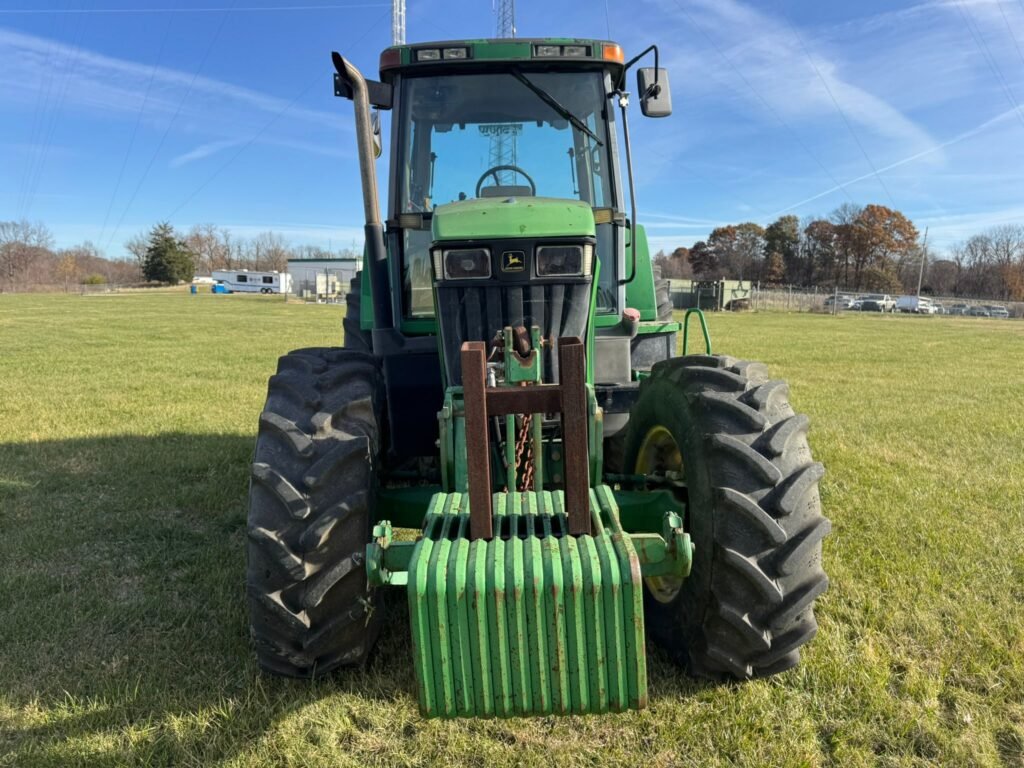
Selling one piece of construction equipment is relatively straightforward. Selling several excavators, loaders, dozers, trucks, attachments, and support machines at the same time is a completely different process.
Fleet liquidation may happen when a contractor finishes a major project, reduces operating capacity, changes markets, retires older machinery, closes a division, or simply decides that too much capital is tied up in underused assets.
The goal should not be to move every machine as quickly as possible at any price.
A well-planned liquidation balances timing, market value, equipment condition, buyer demand, and the cost of continuing to hold each asset.
Begin With a Complete Equipment Inventory
Before anything is advertised, create an accurate list of every asset being considered for sale.
For each machine, record:
- Make
- Model
- Year
- Serial number
- Operating hours
- Current location
- Operating condition
- Attachments
- Maintenance history
- Ownership status
- Any existing liens
This information forms the foundation of the entire liquidation process.
Incomplete records can create problems later when buyers request details or when paperwork needs to be completed.
Separate Equipment by Condition and Marketability
Not every machine in a fleet should automatically be sold in the same way.
A late-model excavator with low hours may attract strong contractor demand.
An older loader with significant wear may appeal to a different buyer.
A non-running machine may be more suitable for repair, export, parts, or salvage markets.
Divide assets into groups such as:
- High-value machines
- Regular production equipment
- Specialty machinery
- Older but operational equipment
- Non-running units
- Attachments and support equipment
Segmenting the fleet helps determine the right selling strategy for each asset.
Determine Why the Fleet Is Being Liquidated
The reason for liquidation affects the strategy.
A contractor who needs equipment removed within 30 days has different priorities from a business that can market machines gradually over six months.
Common reasons include:
- Project completion
- Fleet downsizing
- Business restructuring
- Retirement
- Market exit
- Equipment replacement
- Capital recovery
- Excess inventory
- Company closure
Define whether the main priority is speed, maximum value, reduced holding costs, or a balance of all three.
That objective should guide every decision that follows.
Establish Realistic Market Values
One of the biggest mistakes in fleet liquidation is using original purchase cost to determine today’s selling price.
Heavy equipment values change according to:
- Age
- Operating hours
- Condition
- Service history
- Brand and model
- Attachments
- Regional demand
- Current inventory
- Buyer activity
- New equipment availability
Owners should compare genuinely similar machines rather than simply looking at the highest advertised price online.
An asking price does not necessarily represent what buyers are actually paying.
Realistic valuation reduces the risk of both underpricing good assets and allowing overpriced machines to sit unsold for months.
Include Holding Costs in the Decision
Waiting for a higher offer is not free.
Equipment that remains unsold may continue generating:
- Insurance costs
- Financing costs
- Storage expenses
- Maintenance
- Property costs
- Depreciation
Suppose a machine could sell today for $100,000 or potentially bring $105,000 several months later.
If holding it for that period costs more than the additional $5,000, waiting may reduce the actual return.
Liquidation decisions should therefore focus on net proceeds rather than selling price alone.
Use Different Selling Channels When Necessary
A mixed fleet rarely performs best through one single sales method.
Possible channels can include:
- Private treaty sales
- Consignment
- Dealer networks
- Direct buyer outreach
- Industry marketplaces
- Export buyers
- Auctions
- Salvage buyers
High-quality, late-model equipment may benefit from targeted private marketing.
Mid-value machines may work well through consignment.
Older or lower-value assets may be better suited to faster disposition channels.
The selling method should fit the machine rather than forcing every asset into the same process.
Consider Professional Liquidation Support for Larger Fleets
Managing dozens of equipment listings, buyer calls, inspections, offers, payments, paperwork, and transportation can consume significant staff time.
For contractors or organizations dealing with multiple assets, professional heavy equipment liquidation services can provide a structured approach to valuation, asset segmentation, marketing, buyer qualification, negotiations, documentation, and removal.
This can be particularly useful when normal employees still need to focus on active projects and business operations during the fleet transition.
The objective is to create an organized sales process instead of handling each machine as an unrelated transaction.
Prepare Machines Before They Enter the Market
Presentation can affect both buyer interest and perceived value.
Equipment does not need to look new, but it should be presented honestly and professionally.
Before marketing a machine:
- Clean the exterior
- Clean the cab
- Remove unnecessary debris
- Address simple leaks where practical
- Replace inexpensive damaged items
- Check fluid levels
- Confirm operating hours
- Gather service information
Avoid expensive repairs unless there is a clear financial reason to complete them.
A repair costing $15,000 that only adds $8,000 to expected sale value may not make sense.
Gather Maintenance Documentation
Service records can make equipment easier for buyers to evaluate.
Useful records may include:
- Oil changes
- Filter replacement
- Hydraulic service
- Engine work
- Transmission repairs
- Undercarriage replacement
- Tire replacement
- Dealer service
- Inspection reports
Buyers are often more comfortable making serious offers when they understand how equipment has been maintained.
Organized records also reduce repeated questions during the sales process.
Take Detailed Photos
Most heavy equipment buyers first see a machine online.
Strong photographs can help them decide whether an inspection is worthwhile.
Include photos of:
- Front
- Rear
- Both sides
- Cab
- Controls
- Hour meter
- Engine compartment
- Tires or tracks
- Attachments
- Serial plate
- Areas of visible wear
Do not intentionally hide damage.
Accurate presentation attracts buyers who understand the machine’s actual condition.
Add Operating Videos Where Useful
Videos can be particularly helpful for remote buyers.
Depending on the equipment, show:
- Cold start
- Engine operation
- Travel
- Steering
- Hydraulic functions
- Boom and bucket operation
- Attachment operation
- Dashboard
A video cannot replace an inspection, but it can help serious buyers evaluate whether they want to take the next step.
Handle High-Value Equipment Differently
High-value specialty machines usually require more targeted marketing than ordinary fleet assets.
Examples may include:
- Large excavators
- Long-reach excavators
- Cranes
- Paving machinery
- Specialty demolition equipment
- Mining machines
The number of potential buyers may be smaller, but those buyers may be actively searching for the exact configuration.
Broad exposure alone is not always enough.
Targeted outreach can be more valuable than simply adding the machine to another general marketplace.
Qualify Buyers Before Scheduling Inspections
Fleet liquidation can generate many inquiries that never become real transactions.
Before investing significant time, determine whether a buyer is serious.
Useful questions include:
- What machine are you looking for?
- Where will it be used?
- When do you need it?
- Have you arranged financing?
- Where will it be transported?
- Who is making the purchasing decision?
Buyer qualification helps avoid unnecessary inspections and repeated negotiations with parties who are not ready to complete a purchase.
Prepare Documentation Before Accepting Offers
Paperwork problems can delay otherwise successful sales.
Before listing equipment, verify:
- Ownership documentation
- Titles where applicable
- Serial numbers
- Lien information
- Payoff requirements
- Maintenance records
- Equipment specifications
If financing or liens exist, understand how they will be cleared at closing.
Documentation should not become an afterthought after a buyer is already waiting.
Plan Transportation Early
Heavy equipment sales frequently involve buyers outside the local area.
Transportation requirements can affect whether a deal is financially practical.
Consider:
- Machine dimensions
- Operating weight
- Permit requirements
- Oversize-load restrictions
- Loading equipment
- Distance
- Pickup location
Clarify whether transportation will be arranged by the buyer or seller.
This should be discussed during negotiations rather than after the sale price has been agreed upon.
Keep Sales Information Accurate
If equipment remains in use while being marketed, its condition can change.
Operating hours may increase.
New damage may occur.
Attachments may be moved to another machine.
Update listings when material information changes.
Accurate details help prevent disagreements during final inspections.
Decide Whether Every Machine Really Needs to Be Sold
Liquidation does not necessarily mean selling everything.
Before disposing of an asset, determine whether it could be:
- Redeployed to another location
- Used by another division
- Assigned to seasonal work
- Used instead of rental equipment
- Retained as backup
A machine with low utilization in one part of the business may still have useful value elsewhere.
Selling should follow an operational review rather than being an automatic decision.
Identify Assets That Should Move First
Some machines should receive higher priority.
These may include equipment that is:
- Highly marketable now
- Creating large holding costs
- No longer needed
- Approaching major repairs
- Rapidly depreciating
- Taking valuable storage space
Selling these assets earlier can reduce financial exposure while more specialized machines continue to be marketed.
Watch for Upcoming Repair Costs
A machine may currently operate well but be approaching expensive maintenance.
Examples include:
- Undercarriage replacement
- Major engine work
- Hydraulic repairs
- Tires
- Transmission service
Expected repair costs should influence the decision to keep or sell equipment.
Sometimes selling before a major repair cycle produces a stronger overall financial result.
Avoid a Fire-Sale Mentality
A defined liquidation timeline does not mean every asset must be sold cheaply.
Owners who appear desperate to move equipment can lose negotiating leverage.
Set realistic prices, identify appropriate buyers, and establish acceptable ranges before negotiations begin.
There may be situations where accepting a lower offer is justified by time or holding costs.
The difference is that the decision should be based on financial reasoning rather than panic.
Track Every Asset Throughout the Process
When several machines are being marketed at once, organization becomes important.
Maintain a simple tracking system showing:
- Asset
- Asking price
- Listing date
- Buyer inquiries
- Inspections
- Current offers
- Sale status
- Payment status
- Pickup status
Without tracking, opportunities can be missed and staff can waste time responding to the same issue repeatedly.
Measure Net Recovery From the Fleet
The final evaluation should look beyond total sales revenue.
Calculate:
Gross sales proceeds
minus selling costs
minus repairs
minus transportation
minus commissions
minus holding costs
equals net recovery
This gives management a clearer picture of the liquidation outcome.
A higher headline sales price does not always produce a better result if the process takes considerably longer or creates greater expenses.
Know When Auctions Make Sense
Auctions can be useful when speed and certainty of disposition are more important than pricing control.
They may also make sense for lower-value or difficult-to-market assets.
However, they should not automatically be the default channel for an entire fleet.
A strong fleet may contain assets that can attract better targeted-market interest through other methods.
Evaluate each machine individually.
Communication Matters During Large Liquidations
Large fleet transitions often involve multiple people:
- Owners
- Fleet managers
- Accounting staff
- Operators
- Buyers
- Transport companies
- Lenders
Everyone should understand what equipment is being sold and what stage each transaction has reached.
Clear internal communication can prevent a machine from being scheduled for work after it has already been sold or equipment from being moved before a buyer inspection.
Plan Equipment Removal
A liquidation is not finished when payment is received.
Equipment still needs to leave the property.
Plan:
- Pickup dates
- Loading locations
- Site access
- Transport coordination
- Keys
- Attachments
- Documentation handoff
For larger fleets, staggered removals may be easier than trying to move everything at once.
Conclusion
Heavy equipment fleet liquidation is best treated as a structured business process rather than a rushed equipment sale.
Start with an accurate inventory, identify true market values, segment machines by condition and demand, choose appropriate selling channels, prepare documentation, qualify buyers, and account for holding costs.
The strongest strategy balances speed with value.
When contractors know what each asset is worth, understand why it is being sold, and use the right market for each machine, fleet liquidation can release capital and reduce operating costs without unnecessarily sacrificing equipment value.