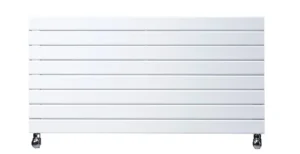
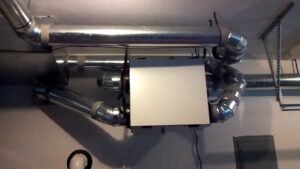
Hydronic heating panels represent a modern approach to energy-efficient heating, utilising advanced technology to harness thermal energy effectively. These systems transfer heat through a fluid medium, providing a reliable, consistent source of warmth for various settings. Their design allows for integration into different heating applications, making them versatile for both residential and commercial use. With a focus on sustainability, hydronic thermal panels align with the growing demand for eco-friendly energy solutions and reduce dependence on non-renewable resources. Their ability to lower energy consumption has made them an appealing option for those prioritising long-term efficiency. Adopting these systems reflects a shift toward innovative heating methods that meet modern standards for environmental responsibility. The combination of technology and efficiency makes hydronic thermal panels a noteworthy component of modern heating infrastructure.
How Hydronic Thermal Panels Work?
Hydronic thermal panels use a circulating fluid, typically water or a water-glycol mixture, to collect and transfer heat. The panels absorb thermal energy, typically from solar radiation, and the fluid flowing through them captures it. Once heated, this fluid is directed towards a heat exchanger that distributes the warmth to the intended heating system, such as underfloor heating or radiators.
This process operates as a closed loop, maintaining efficiency by reusing the fluid. The system is designed to minimise energy waste, as the fluid’s movement and heat transfer rely on optimised mechanisms. Hydronic thermal panels provide a consistent, reliable heat source, making them a practical, efficient solution for a range of residential and commercial applications.
Hydronic Thermal Panels for Domestic Use
Hydronic thermal panels are highly suitable for domestic heating applications, offering a reliable and efficient source of warmth for homes. They can be integrated into various systems, including underfloor heating and radiators, providing consistent temperature control across living spaces. Their compatibility with existing heating infrastructure makes them an appealing option for both new builds and renovation projects.
These systems are particularly beneficial for homeowners prioritising energy efficiency, as they use renewable energy sources and reduce reliance on traditional heating methods. By harnessing thermal energy effectively, they lower energy consumption and reduce utility costs.
Additionally, they support environmentally conscious living and align with sustainable housing practices. Hydronic thermal panels suit diverse residential settings, meeting modern heating needs while promoting eco-friendly energy use. This versatility makes them a practical choice for contemporary domestic environments.
Commercial Applications of Hydronic Thermal Panels
Hydronic thermal panels are widely implemented in commercial settings, providing an efficient and sustainable heating solution for diverse applications. These systems are particularly effective in maintaining consistent temperatures across large-scale facilities, such as office buildings, educational institutions, and healthcare centres. Their ability to integrate with existing heating systems makes them a versatile option for various commercial needs.
In addition to their efficiency, hydronic thermal panels help businesses reduce operational expenses by lowering energy consumption. This aligns with growing demands for eco-friendly operations and compliance with environmental regulations. They can also improve occupant comfort by delivering uniform heating throughout the premises.
The adaptability of hydronic thermal panels lets them meet specific heating demands in commercial environments. By leveraging renewable energy sources, they offer a forward-looking solution that meets modern standards of energy efficiency and sustainability.
Environmental Impact of Hydronic Thermal Panels
Hydronic thermal panels significantly reduce environmental impact by using renewable energy sources, particularly solar power. This approach reduces reliance on finite fossil fuels, helping curb greenhouse gas emissions associated with traditional heating methods. These systems promote energy efficiency, further reducing overall energy demand and easing strain on natural resources.
Additionally, implementing hydronic thermal panels supports sustainable development by integrating eco-friendly technologies into everyday energy use. Their operation encourages a shift towards cleaner energy alternatives, aligning with global efforts to combat climate change. The materials used in these panels are often chosen for durability and recyclability, adding to their eco-conscious appeal. By embracing this technology, properties can meet modern environmental standards while simultaneously contributing to a more sustainable future.
Energy Savings with Hydronic Thermal Panels
Hydronic thermal panels are designed to optimise energy usage by harnessing renewable sources such as solar energy. This approach significantly reduces dependence on traditional energy systems, resulting in notable cost reductions over time.
These panels can maintain consistent heating without a constant power supply, improving efficiency and further conserving energy. Their long-term performance minimises waste and maximises utility, making them a sustainable solution for a range of heating needs.
Efficient heat transfer mechanisms within the system reduce energy loss, ensuring optimal operation. These panels are particularly beneficial in environments that prioritise energy efficiency, where their integration can substantially reduce overall energy consumption while promoting environmentally responsible energy practices.
Installation of Hydronic Thermal Panels
Installing hydronic thermal panels requires careful planning to ensure optimal performance and efficiency. This process typically begins with evaluating the property to determine the best panel location, considering factors such as sunlight exposure and available space. Proper positioning is crucial for maximising thermal energy collection.
The system’s components, including pipework and heat exchangers, are installed and connected to the existing heating infrastructure. Correct alignment and secure fittings are essential to prevent inefficiencies or leaks. Professional installation is often recommended to ensure adherence to industry standards and safety guidelines. For those with technical expertise, following detailed instructions and using the right tools can lead to successful implementation, provided all system components are configured correctly.
Maintenance of Hydronic Thermal Panels
Regular inspections are critical for maintaining the efficiency and longevity of hydronic thermal panels. Key maintenance tasks include checking fluid levels to ensure sufficient heat transfer and inspecting pipework for any signs of leaks or corrosion. Clean heat exchangers periodically to prevent blockages that could affect system performance.
Ensuring the correct pressure levels within the system is another essential aspect of upkeep. Monitoring and addressing any unusual noises or temperature fluctuations can help identify potential issues early. Schedule maintenance at appropriate intervals to maintain optimal functionality. Professional servicing may be beneficial for more complex systems, while simpler tasks, such as cleaning accessible components, can often be carried out using standard guidelines and tools.
Hydronic Heating Panels for Sale
Hydronic heating panels for sale are available through numerous suppliers, catering to varying heating needs for residential and commercial applications. These systems come in a range of sizes and specifications, allowing buyers to choose options tailored to their specific requirements. Key considerations when evaluating available panels include energy efficiency ratings, material durability, and design features.
Suppliers may also provide installation guidelines and system compatibility information, ensuring the chosen panels integrate seamlessly with existing heating infrastructure. Assessing supplier reliability and product quality can help you make a well-informed purchasing decision. Researching industry standards and specifications helps in identifying systems that align with desired performance and sustainability goals.
Factors Affecting Hydronic Heating Panels Price
Multiple factors shape the hydronic heating panels price, including the materials used in their construction. High-grade materials often improve durability and efficiency but can raise the overall cost. System size and design complexity also significantly influence pricing, as larger installations or advanced features typically require a higher investment. Manufacturing processes and energy efficiency ratings can further affect costs, reflecting the quality and performance of the panels.
Installation requirements, including compatibility with existing systems and necessary modifications, may also impact total expenses. Buyers should weigh these elements against long-term savings and energy performance when selecting an appropriate system. Each factor helps determine the overall financial outlay.
Comparing Hydronic Thermal Panels with Other Heating Systems
Hydronic thermal panels differ from conventional heating systems by using a circulating fluid to transfer heat, offering consistent, efficient performance. Unlike systems that depend on fossil fuels, these panels often use renewable energy sources, reducing environmental impact. Their design typically minimises energy loss, making them a sustainable alternative.
In addition, they can integrate seamlessly with underfloor heating or radiators, enhancing versatility. Advanced heat-transfer methods allow more uniform warmth distribution than traditional systems. These attributes highlight the potential of hydronic thermal panels as a forward-thinking option within modern heating infrastructure.
Future Trends in Hydronic Thermal Panels Technology
Ongoing advancements in hydronic thermal panel technology are paving the way for enhanced efficiency and functionality. Innovations in materials, such as improved heat-conductive coatings and lightweight composites, are expected to increase performance while reducing costs.
Integration with smart home systems is anticipated, allowing for automated temperature adjustments and real-time energy monitoring. Research into hybrid systems that combine multiple renewable energy sources could further expand their applications.
Additionally, efforts to streamline installation processes and improve scalability are likely to make these systems more accessible. These developments reflect the growing emphasis on sustainable, intelligent energy solutions in the heating industry.
Conclusion
Hydronic heating panels offer an exceptionally sustainable and energy-efficient heating solution for residential and commercial properties across Australia. By utilizing a closed-loop circulating fluid system to capture and transfer renewable solar energy, these panels deliver consistent, reliable warmth through underfloor heating and radiators. Their eco-friendly design reduces dependence on fossil fuels, lowers greenhouse gas emissions, and significantly cuts long-term utility expenses. As modern infrastructure prioritizes environmental responsibility, investing in professionally installed hydronic thermal panels provides a durable, cost-effective, and future-proof approach to space heating throughout Australia.
FAQs
What are Hydronic heating panels and how do they function?
Hydronic heating panels are renewable energy systems that use a circulating fluid, such as water or a glycol mixture, to absorb thermal energy primarily from solar radiation. This heated fluid flows through a closed-loop network to a heat exchanger, efficiently distributing consistent warmth to underfloor heating or radiator systems across Australia.
Can hydronic thermal panels be integrated into existing domestic heating setups?
Yes, hydronic thermal panels are highly versatile and can integrate seamlessly with existing residential heating infrastructure like standard radiators and underfloor pipes. Their compatibility makes them an ideal choice for both new building constructions and renovation projects aiming to enhance energy efficiency and reduce utility costs throughout Australia.
What are the primary environmental advantages of using hydronic thermal systems?
These systems significantly reduce environmental impact by harnessing clean, renewable solar energy instead of relying on finite fossil fuels. By lowering overall energy consumption and curbing greenhouse gas emissions, hydronic thermal panels support sustainable development, conserve natural resources, and align with modern environmental standards across Australia.
What routine maintenance is required to ensure optimal system performance?
Routine maintenance involves periodically checking fluid levels, inspecting pipework for potential leaks or corrosion, and cleaning heat exchangers to prevent blockages. Monitoring system pressure levels and scheduling professional servicing at recommended intervals ensures optimal heat transfer efficiency and extends the operational lifespan of installations across Australia.
Are hydronic thermal panels suitable for large-scale commercial applications?
Yes, hydronic thermal panels are widely implemented in commercial properties, including office buildings, schools, and healthcare facilities. Their high scalability and efficient heat transfer capabilities maintain uniform indoor temperatures across large areas, helping businesses lower operational expenses and meet strict sustainability mandates across Australia.
| Related Business Listings |
| Contact Directory |
| Local Business Profiles |