Hypertension is a common health condition in which blood pressure remains higher than the recommended range over time. Because high blood pressure may not always cause noticeable symptoms, regular monitoring and timely medical evaluation are important for protecting long-term cardiovascular health. Hypertension in dubai can be managed effectively when elevated blood pressure is identified early and an appropriate treatment approach is followed under professional medical supervision.
For individuals seeking medical support, Dr Barbara provides care focused on assessing blood pressure concerns and helping patients understand the factors that may contribute to hypertension. Management can involve lifestyle considerations, regular monitoring, medication when appropriate, and ongoing medical follow-up.
What Is Hypertension?
Hypertension occurs when the force of blood against the walls of the arteries remains consistently elevated. Blood pressure is measured using two numbers: systolic pressure, which represents the pressure when the heart contracts, and diastolic pressure, which represents the pressure when the heart relaxes between beats.
A single elevated reading does not necessarily mean that a person has chronic hypertension. Blood pressure can temporarily increase because of stress, physical activity, caffeine, pain, illness, or other factors. Healthcare professionals may therefore recommend repeated measurements or monitoring over time before confirming a diagnosis.
Understanding Hypertension in Dubai is particularly important because uncontrolled high blood pressure can gradually affect important organs, including the heart, brain, kidneys, and blood vessels.
Common Causes and Risk Factors of Hypertension
Hypertension can develop due to a combination of genetic, lifestyle, environmental, and medical factors. Some people have no single identifiable cause, while others may have underlying conditions or medications that contribute to elevated blood pressure.
Common risk factors can include increasing age, excess body weight, limited physical activity, high sodium intake, smoking, excessive alcohol consumption, chronic stress, and a family history of high blood pressure.
Certain medical conditions, including kidney disease, diabetes, sleep-related breathing disorders, and hormonal conditions, may also be associated with elevated blood pressure. For this reason, a medical assessment is important when repeated high readings are observed.
Symptoms of High Blood Pressure
Hypertension is sometimes described as a silent condition because many people do not experience obvious symptoms, even when their blood pressure is elevated. This is one reason routine blood pressure checks can be valuable.
When blood pressure becomes severely elevated, some individuals may experience symptoms such as severe headache, visual changes, chest discomfort, shortness of breath, weakness, confusion, or other concerning symptoms. Severe or sudden symptoms require urgent medical attention rather than waiting for a routine appointment.
Because symptoms are not always present, people should not rely solely on how they feel to determine whether their blood pressure is normal.
How Is Hypertension Diagnosed?
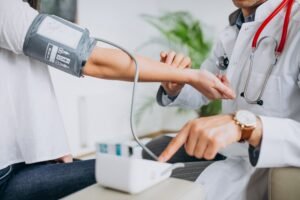
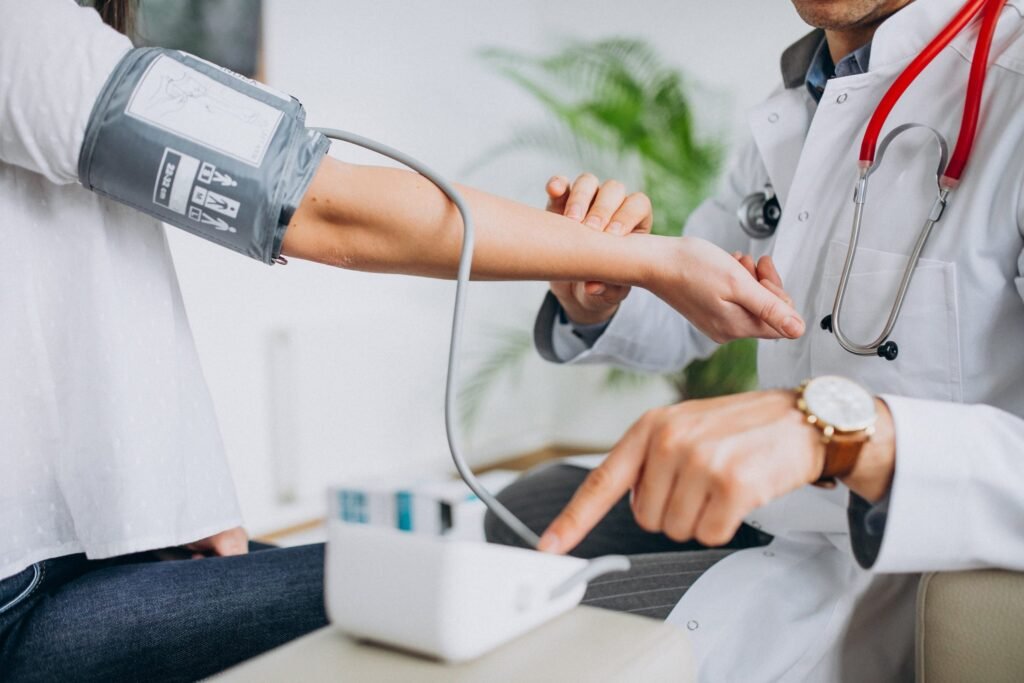
Diagnosis generally involves measuring blood pressure using an appropriate blood pressure monitor and evaluating readings over time. A healthcare professional may take multiple readings during an appointment or recommend monitoring at home.
During an assessment for Hypertension in Dubai, the doctor may also review medical history, family history, current medications, lifestyle factors, and any existing health conditions. Additional tests may sometimes be recommended to evaluate cardiovascular risk or identify possible underlying causes.
Accurate measurement is important. Resting quietly before a reading, using an appropriately sized cuff, and positioning the arm correctly can help produce more reliable measurements.
Hypertension Treatment in Dubai
The appropriate Hypertension treatment in Dubai depends on the individual’s blood pressure levels, overall health, cardiovascular risk, medical history, and possible underlying causes.
For some people, lifestyle modifications may be an important part of blood pressure management. These may include maintaining a healthy weight, becoming more physically active as medically appropriate, reducing excessive sodium intake, following a balanced eating pattern, avoiding smoking, moderating alcohol consumption, and managing stress.
When lifestyle changes alone are not sufficient or when blood pressure is significantly elevated, a doctor may prescribe medication. Different classes of blood pressure medicines work in different ways, and the appropriate medication or combination depends on the individual patient.
Patients should not stop or change prescribed blood pressure medication without discussing it with their healthcare professional.
Lifestyle Management for Elevated Blood Pressure
Lifestyle habits can play an important role in managing hypertension. Regular physical activity can support cardiovascular health and may help improve blood pressure. The appropriate type and intensity of exercise should depend on an individual’s health and fitness level.
Diet can also influence blood pressure. Reducing excessive sodium intake and choosing a balanced diet containing vegetables, fruits, whole grains, and other nutrient-rich foods may support cardiovascular health.
Maintaining a healthy weight can also be beneficial because excess body weight may increase the workload on the cardiovascular system. Adequate sleep and stress management are additional aspects that may contribute to healthier blood pressure levels.
Lifestyle changes should complement, rather than replace, professional medical care when medication or other treatment is required.
Why Regular Blood Pressure Monitoring Matters
Regular monitoring can help identify changes in blood pressure and provide useful information for treatment decisions. People who already have hypertension may be advised to monitor their readings at home and keep a record to discuss during medical appointments.
Consistent monitoring can also help determine whether a treatment approach is working effectively. Blood pressure naturally changes throughout the day, so looking at patterns over time can provide more useful information than relying on a single reading.
Individuals should use a reliable blood pressure monitor and follow appropriate measurement instructions to obtain meaningful results.
When Should You See a Hypertension Doctor?
If blood pressure readings are repeatedly elevated, seeking professional medical advice is important. A Hypertension doctor in Dubai can assess the readings, review potential risk factors, and determine whether further investigation or treatment is appropriate.
People who already take medication for high blood pressure should also maintain regular follow-up appointments. Monitoring allows the healthcare professional to evaluate blood pressure control and make adjustments when necessary.
Medical evaluation is especially important when elevated blood pressure occurs alongside symptoms such as chest pain, severe headache, breathing difficulty, confusion, fainting, or sudden neurological changes.
Preventing Complications of Hypertension
Long-term uncontrolled hypertension can increase the risk of cardiovascular and other health complications. Persistently elevated blood pressure can place additional strain on the heart and blood vessels and may contribute to problems involving the kidneys, brain, eyes, and other organs.
The good news is that hypertension can often be managed through a combination of appropriate medical treatment, lifestyle measures, and regular monitoring.
Taking prescribed medication correctly, attending follow-up appointments, monitoring blood pressure, and maintaining healthy habits can all contribute to better long-term management.
Managing Hypertension With Dr Barbara
Effective hypertension management begins with understanding the individual’s health rather than treating a blood pressure number in isolation. Dr Barbara can evaluate blood pressure concerns and consider relevant medical and lifestyle factors when developing an appropriate care approach.
Patients can discuss their blood pressure readings, symptoms, medications, family history, and other concerns during consultation. This can help establish whether further testing, lifestyle changes, medication, or ongoing monitoring may be appropriate.
For people researching Hypertension in Dubai, professional guidance can provide a clearer understanding of their condition and the steps that may help manage elevated blood pressure.
Frequently Asked Questions
What is Hypertension in Dubai?
Hypertension in Dubai refers to high blood pressure managed and evaluated through healthcare services available in Dubai. The condition occurs when blood pressure remains consistently elevated and may require lifestyle changes, medication, monitoring, or a combination of approaches.
What does Hypertension treatment in Dubai involve?
Hypertension treatment in Dubai is personalized according to blood pressure levels, overall health, risk factors, and underlying causes. Treatment may include lifestyle modifications, regular monitoring, prescription medication, or additional medical evaluation when necessary.
When should I visit a Hypertension doctor in Dubai?
You should consider seeing a Hypertension doctor in Dubai if your blood pressure readings are repeatedly higher than recommended, if you have been advised to monitor your blood pressure, or if you have risk factors for cardiovascular disease. Urgent symptoms such as chest pain, severe shortness of breath, confusion, or sudden neurological symptoms require immediate medical attention.
Can hypertension be controlled?
In many cases, hypertension can be effectively managed through appropriate medical care, lifestyle changes, regular monitoring, and medication when required. Management is usually ongoing rather than a one-time treatment.
Does hypertension always cause symptoms?
No. Many people with hypertension do not experience noticeable symptoms. Regular blood pressure monitoring is therefore important, particularly for individuals with risk factors or previous elevated readings.
Conclusion
Hypertension in Dubai requires proper evaluation, consistent monitoring, and an individualized management approach. Although high blood pressure may not always produce noticeable symptoms, addressing it early can help reduce the risk of long-term cardiovascular and organ-related complications.
With appropriate Hypertension treatment in Dubai, patients can work toward better blood pressure control through lifestyle measures, medical monitoring, and medication when indicated. Consulting a qualified Hypertension doctor in Dubai can provide personalized guidance based on individual health needs