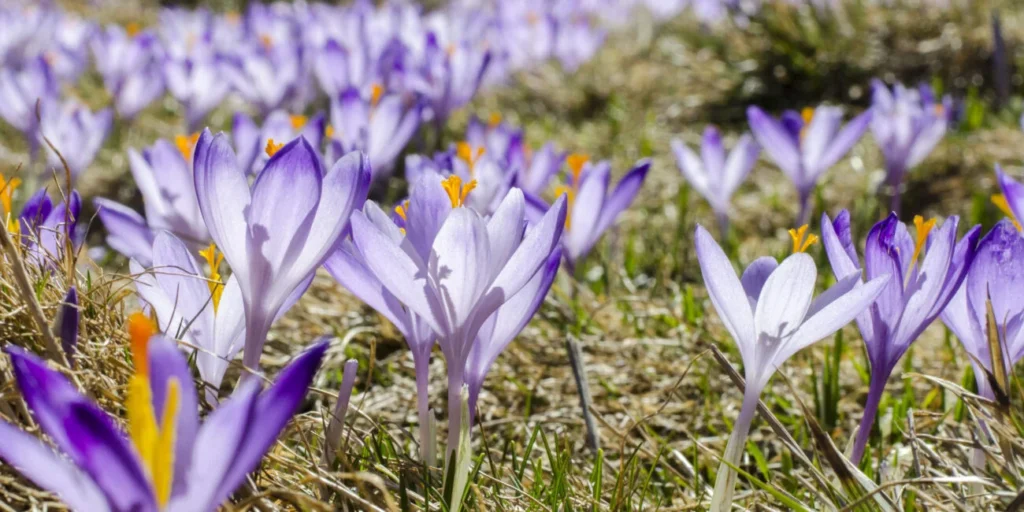
Saffron is one of the world’s most valuable spices, making saffron farming an attractive business opportunity for farmers, entrepreneurs, and beginners looking for modern agricultural methods. Traditionally, saffron is cultivated in open fields under specific climatic conditions. However, with advances in agricultural technology, indoor saffron farming has emerged as an innovative method that allows growers to produce saffron in controlled environments.
Indoor saffron farming involves growing saffron in a carefully managed space where temperature, humidity, lighting, ventilation, and irrigation can be controlled. Proper training is essential because even small mistakes in environmental management can affect flowering and saffron yield.
What Is Indoor Saffron Farming?
Indoor saffron farming is the cultivation of saffron inside a controlled environment such as a room, greenhouse, polyhouse, or specially designed vertical farming setup. Instead of depending completely on natural weather conditions, growers manage the growing environment according to the requirements of the saffron plant.
Saffron comes from the flower of Crocus sativus. The valuable spice is obtained from the three red stigmas found inside each flower. Since only a small quantity of saffron can be harvested from each flower, proper cultivation and management are important for achieving good production.
Why Choose Indoor Saffron Farming?
One of the biggest advantages of indoor farming is environmental control. Outdoor cultivation can be affected by excessive rainfall, heat, pests, diseases, and unexpected weather changes. Indoor cultivation can reduce some of these risks by providing a controlled growing environment.
Another advantage is that saffron can potentially be cultivated in areas where outdoor conditions are not naturally suitable. Indoor systems can also make better use of limited space, making them interesting for urban farming and small-scale agricultural businesses.
However, indoor saffron farming requires an initial investment in infrastructure, equipment, planting material, and environmental management. Therefore, proper training and financial planning should be completed before starting a commercial project.
Important Requirements for Indoor Saffron Farming
1. Quality Saffron Corms
Healthy and disease-free saffron corms are the foundation of a successful crop. The size and quality of corms can significantly influence flowering and production. Farmers should purchase planting material from reliable sources and inspect corms carefully before planting.
2. Controlled Temperature
Saffron has different environmental requirements during its growth and flowering stages. Indoor farmers therefore need to understand temperature management and adjust the environment according to the crop cycle.
Maintaining suitable conditions helps encourage healthy growth and flowering while reducing stress on the plants.
3. Humidity and Ventilation
Excessive moisture can increase the risk of fungal diseases and corm damage. Good ventilation is therefore important in indoor saffron cultivation. Air circulation should be sufficient to prevent excessive humidity and maintain a healthy growing environment.
4. Lighting
Light management is another important part of indoor farming. Depending on the cultivation system and growth stage, growers may use natural light, artificial lighting, or a combination of both.
Training helps farmers understand how lighting should be managed without unnecessarily increasing electricity costs.
5. Growing System
Saffron can be cultivated using different indoor methods, including trays, racks, containers, and soilless systems. The choice depends on available space, investment capacity, technical knowledge, and production goals.
A suitable system should provide good drainage, easy access to plants, and efficient use of available space.
Indoor Saffron Farming Training
A professional training program can help beginners understand the complete cultivation process rather than learning through trial and error. A good training course should cover corm selection, storage, planting techniques, environmental control, irrigation, disease management, flowering, harvesting, and post-harvest handling.
Training should also include practical demonstrations. Learning how to inspect corms, prepare growing trays, maintain environmental conditions, and harvest saffron flowers can be much more useful than relying only on theoretical information.
Business planning is another important part of training. Before investing in an indoor saffron farm, growers should calculate infrastructure costs, electricity consumption, planting material costs, labour, expected production, packaging, and selling price.
Harvesting and Processing
Saffron flowers are generally harvested when they bloom. The delicate red stigmas are carefully separated from the flowers and then dried under appropriate conditions.
Proper drying and storage are extremely important because poor post-harvest handling can reduce saffron quality. High-quality saffron should be protected from moisture, excessive heat, light, and contamination.
Packaging also plays an important role when selling saffron commercially. Attractive and protective packaging can help maintain quality and improve the product’s market presentation.
Is Indoor Saffron Farming Profitable?
Indoor saffron farming can offer an interesting business opportunity, but profitability is not guaranteed. The result depends on factors such as corm quality, production system, electricity costs, environmental control, yield, labour, and market price.
Beginners should avoid making investment decisions based solely on claims of extremely high profits. A small pilot project can be a practical way to gain experience, understand production costs, and evaluate the market before expanding.
Conclusion
Indoor saffron farming combines traditional crop knowledge with modern controlled-environment agriculture. With the right training, quality planting material, proper environmental management, and careful post-harvest handling, growers can explore saffron production even outside traditional cultivation regions.
For anyone planning to start an indoor saffron farm, training should be the first step. Understanding the crop cycle, infrastructure requirements, environmental conditions, production costs, and marketing opportunities can help reduce mistakes and build a more sustainable saffron farming business.