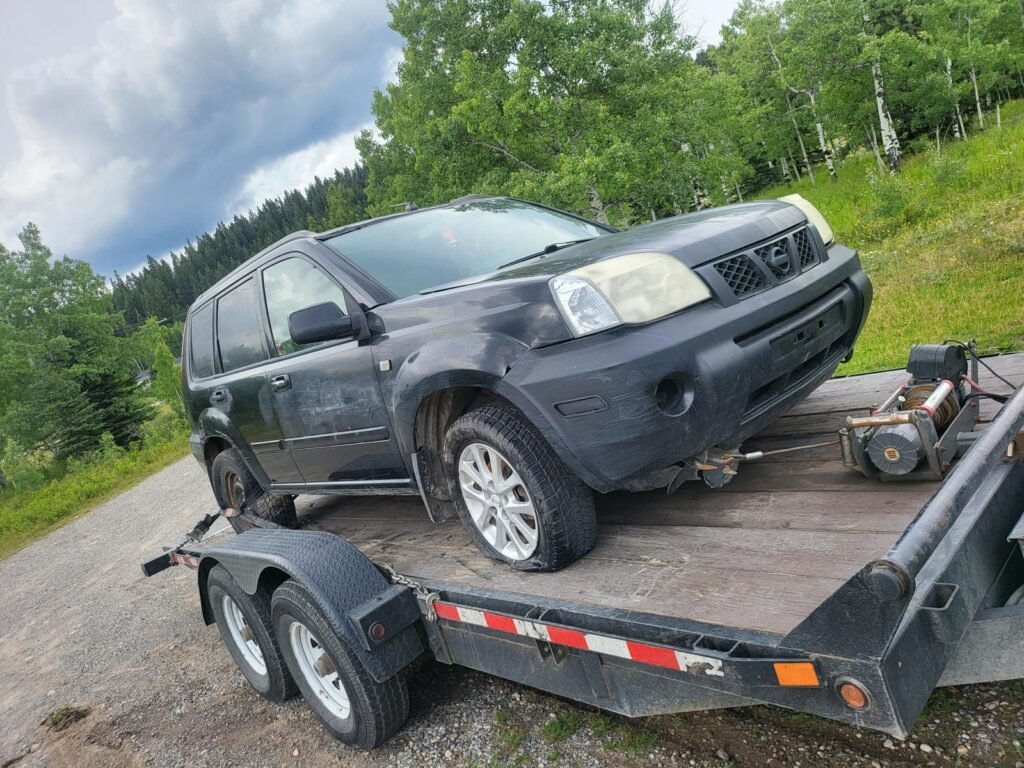
get top cash for cars in Calgary!
Your car was in an accident, the insurance company declared it a write-off, and instead of surrendering it, you kept the vehicle and took a reduced payout. Maybe you fixed it, maybe you’ve been driving it as-is, or maybe it’s been sitting in your driveway waiting for a decision.
Now you’re wondering: can you actually sell it? And if so, how much is it worth?
The short answer is yes — you can absolutely sell a written-off car you kept. But the process is different from selling a normal vehicle, and understanding the rules protects you from legal trouble and helps you get the best price possible.
First, Understand What “Written Off” Really Means
When an insurance company writes off a vehicle, they’ve decided the repair cost exceeds a certain percentage of the car’s market value — usually 60% to 75%. The car isn’t necessarily destroyed. It could have moderate collision damage, hail damage, flood exposure, or even just be older with expensive parts to replace.
Write-offs generally fall into categories that vary by region:
- Repairable write-off — damaged but can be legally repaired and re-registered after inspection
- Statutory or non-repairable write-off — cannot be returned to the road under any circumstances, only sold for parts or scrap
- Total loss (economic write-off) — the repair simply cost more than the insurer wanted to pay, but the car may still be roadworthy
Knowing exactly which category your car falls into is the first step, because it determines who can legally buy it and what you can sell it for.
Step 1: Check Your Car’s Official Status
Before listing your car anywhere, look up its current classification on your local motor registry, vehicle history database, or written-off vehicle register. This tells you and any future buyer:
- The exact write-off category
- Whether the vehicle can be re-registered
- What documentation must accompany the sale
- Any restrictions on how the vehicle can be used
This information is public in most regions, so buyers will find it anyway. Being upfront builds trust and prevents disputes later.
Step 2: Confirm You Have the Right to Sell It
When you kept the car after the write-off, the insurance company should have transferred ownership back to you along with a reduced payout — often called a salvage buyback or owner retention agreement. You should have paperwork showing:
- The insurer’s release of the vehicle
- The salvage value they deducted from your claim
- Any conditions attached to the retention
If you never received this paperwork or the vehicle is still technically owned by the insurer, contact them immediately. You cannot legally sell a car that isn’t fully in your name.
Step 3: Understand Your Buyer Options
Not every buyer can legally purchase a written-off vehicle, so your market is narrower than a standard car sale. Here’s who can actually buy it:
Private buyers (repairable write-offs only):
If your car has been properly repaired and passed the required inspection to return to the road, you can sell it to a regular private buyer. You must disclose the write-off history — it’s illegal to hide it, and any buyer can check the record anyway.
Cash-for-cars services and salvage buyers:
These buyers specialize in written-off, damaged, or non-roadworthy vehicles. They usually pay in cash, tow the car for free, and handle paperwork. This is often the fastest, easiest route for statutory write-offs or unrepaired vehicles.
Auto dismantlers and wreckers:
Licensed dismantlers strip vehicles for parts and metal. They pay based on the value of recoverable components — engines, transmissions, catalytic converters, body panels, and electronics.
Rebuilders and hobbyists:
Some buyers specifically look for write-offs to rebuild as projects or use for parts on similar vehicles. Facebook groups, dedicated forums, and enthusiast communities are good places to reach them.
Step 4: Set a Realistic Price
A written-off car will always sell for less than an equivalent clean-title vehicle — typically 20% to 40% less, even after being fully repaired. This is because:
- Insurance for rebuilt write-offs is harder and more expensive to obtain
- Financing is often unavailable
- Resale value stays permanently reduced
- Buyer confidence is naturally lower
To price it fairly, research three things: the market value of a clean version of your car, recent sales of similar write-offs in your area, and the current scrap and parts value if sold as-is. The right price sits somewhere in that range depending on condition.
Step 5: Disclose Everything in Writing
Full disclosure isn’t just ethical — it’s a legal requirement in almost every region. Your bill of sale should clearly state:
- The vehicle was previously declared a write-off
- The category of write-off (repairable, statutory, economic)
- The nature of the original damage
- Whether repairs were completed and by whom
- Any current mechanical or structural issues
- That the vehicle is sold “as-is” with no warranty
Both you and the buyer should sign this document, and each keep a copy. This paperwork protects you if the buyer later claims you hid information about the car.
Step 6: Prepare the Right Documentation
Depending on your buyer and region, you’ll typically need:
- The salvage or written-off vehicle certificate from the insurer
- Current registration (if the car is roadworthy) or deregistration papers
- Repair records and receipts if the vehicle was rebuilt
- Inspection certificates for re-registered vehicles
- A properly filled bill of sale
- Photo ID for both parties
Having this ready before you meet the buyer makes the transaction smoother and signals that you’re serious and trustworthy.
Common Mistakes That Cost Sellers Money
Hiding the write-off history. Buyers always find out, and you’ll face refunds, legal claims, or fraud charges.
Accepting the first offer. Prices for salvage vehicles vary wildly between buyers. Get at least three quotes before committing.
Selling to unlicensed buyers for cash with no paperwork. If the car is later involved in a crime, insurance fraud, or a resale scam, the paper trail leads back to you.
Forgetting to cancel registration and insurance. Once the sale is done, notify authorities and cancel your policy the same day to avoid ongoing liability.
Underestimating parts value. For statutory write-offs, parting out the car sometimes brings 40% to 60% more than selling it whole — if you have time and space to do it.
The Fastest Path: Sell to a Cash-for-Cars Service
For most people who kept a written-off car and want it gone, a reputable cash-for-cars service is the most practical option. They:
- Accept vehicles in any condition, running or not
- Provide quotes within minutes based on your car’s details
- Tow the car away at no cost
- Pay on the spot in cash or bank transfer
- Handle the paperwork side of things properly
You won’t get top private-sale money, but you’ll get a fair, honest offer without weeks of listing, negotiating, and dealing with tire-kickers.
The Bottom Line
Yes, you can absolutely sell a written-off car you kept — and depending on your situation, you have real options that put actual cash in your hand. The key is understanding your car’s official classification, disclosing everything honestly, targeting the right kind of buyer, and setting a realistic price.
Whether you repair and sell privately, part it out for maximum return, or take the fast path with a cash-for-cars service, that written-off vehicle in your driveway is worth more than you might think. Take the right steps, and you can turn it from a lingering reminder of a bad day into a straightforward payday.