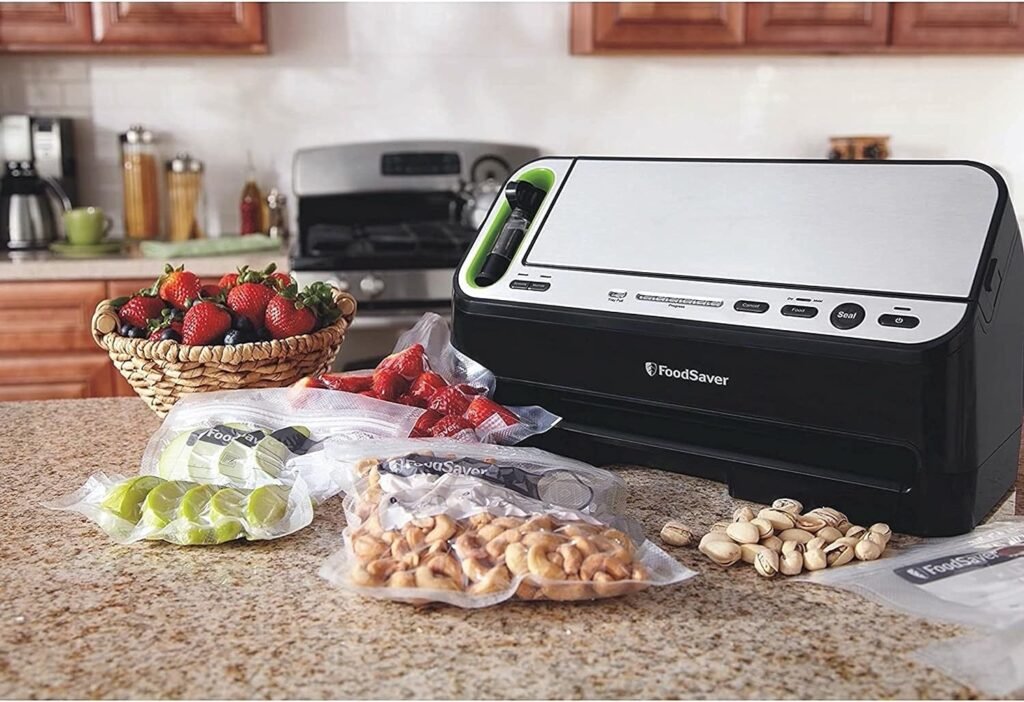
A food vacuum sealer is a device designed to remove air from specially made storage bags before sealing them securely. This process significantly slows down spoilage by preventing oxidation and the growth of bacteria, which are key contributors to food degradation. Vacuum sealing is widely used for preserving a variety of items, including fresh produce, meats, and dry goods, ensuring they maintain their quality for extended periods. This method is particularly effective in retaining the original flavour, texture, and nutritional value of food. It also prevents freezer burn, making it ideal for freezing and long-term storage. Furthermore, vacuum sealing plays a crucial role in sous-vide cooking, as it allows precise temperature control during the cooking process. Its versatility makes it an essential tool for both domestic and commercial kitchens looking to minimise food waste and enhance storage efficiency.
How Food Vacuum Sealing Machines Work
A food vacuum sealing machine operates by extracting air from specially designed bags and creating an airtight seal, preserving the food inside. The process begins when the bag is positioned in the machine, which uses a vacuum pump to remove the air. Once the air is removed, a sealing bar heats the bag’s opening, bonding the material together to form a secure, air-tight closure.
This method prevents air from re-entering, effectively limiting oxidation and bacterial growth, which contribute to spoilage. Some models offer adjustable settings to manage different food types, ensuring optimal preservation. The sealing process is not only efficient but also protects the food’s texture and quality, making it ideal for long-term storage or freezing. The combination of technology and precision ensures that food remains fresh and maintains its natural characteristics for an extended period.
Types of Food Vacuum Sealing Machines
Food vacuum sealing machines are available in various types, each suited to specific needs and applications. External vacuum sealers are compact and commonly used in households, offering a straightforward method for sealing dry or pre-frozen foods. Chamber vacuum sealers, typically larger, are designed for commercial use and can handle liquids, sauces, and higher volumes efficiently. Handheld models provide a portable option, ideal for smaller tasks or resealing pre-packaged items.
Some models come with advanced features, such as multiple sealing modes or compatibility with specific bag types. Certain sealers are also equipped with integrated cutters, enabling users to customise bag sizes with precision. The choice of vacuum sealer depends on factors such as storage requirements, frequency of use, and the types of food being preserved. By selecting the appropriate type, users can achieve optimal results for both domestic and professional purposes.
Features To Consider In the Best Vacuum Food Sealer
When evaluating the best vacuum food sealer, durability and performance are critical factors to assess. A robust motor and efficient sealing mechanism ensure consistent results over time. Adjustable settings allow for tailored sealing based on different food types, such as dry or moist items. Compact designs are advantageous for kitchens with limited space, while models with integrated bag storage and cutters offer added convenience. Noise levels may also influence selection, as quieter machines are often preferred.
Ease of cleaning is another important feature, with removable drip trays or dishwasher-safe components being particularly useful. Compatibility with a wide range of bag types and sizes enhances versatility. Sealing speed and the ability to handle bulk tasks are also worth considering, especially for frequent users. By focusing on these features, it becomes easier to select a machine that balances functionality with user-friendliness.
Benefits of Using a Food Vacuum Sealing Machine
Vacuum sealing offers a practical solution for extending food freshness by reducing exposure to air, which accelerates spoilage. This method helps retain the natural taste, texture, and aroma of foods while preventing freezer burn, particularly for frozen items. It is a valuable tool for meal planning, as it allows for portioning and organised storage, reducing the likelihood of waste.
Additionally, vacuum sealing supports bulk purchasing by ensuring food remains in optimal condition for longer periods. This can lead to significant savings, both financially and in terms of time spent on frequent shopping. For households and businesses alike, this method proves to be efficient for preserving perishable goods and dry items. The ability to maintain the nutritional quality of food makes vacuum sealing a versatile and reliable option for both short- and long-term storage purposes.
Vacuum Sealer Bag Options
Vacuum sealer bags come in various forms, catering to different storage needs. Pre-cut bags offer convenience, as they are ready to use and save time during the sealing process. Bag rolls, on the other hand, allow for custom sizing, making them ideal for sealing foods of varying dimensions. Certain bags are specially designed for sous-vide cooking, offering durability and resistance to high temperatures.
Multi-layered or textured bags provide superior air removal, ensuring an airtight seal. Reusable vacuum bags have also gained popularity for their eco-friendliness and cost-effectiveness. Selecting the appropriate bag type based on food type, intended use, and compatibility with the sealer ensures better preservation and optimises storage efficiency. Proper bag choice enhances the overall vacuum sealing process.
Preserving Nutritional Value with the Best Vacuum Food Sealer
The best vacuum food sealer plays a vital role in maintaining the nutritional integrity of food by creating an airtight environment that reduces exposure to oxygen. This preservation method helps to slow down the degradation of essential vitamins, minerals, and antioxidants, which can be lost when food is stored under conventional conditions. It is particularly effective for maintaining the quality of fresh produce, meats, and other perishable items.
By preventing moisture and air from reaching the food, vacuum sealing also helps to retain natural flavours and textures. Unlike methods such as freezing or drying, it allows foods to be stored for extended periods without significant nutrient loss. This makes it an excellent choice for those prioritising both freshness and nutritional value in long-term storage.
Cost Considerations for Food Vacuum Sealing Machines
The cost of food vacuum sealing machines varies depending on factors such as design, functionality, and capacity. Budget-friendly models often cater to basic household needs, providing simplicity and efficiency for occasional use. Mid-range options typically include advanced features, such as multiple sealing modes or integrated cutters, offering greater versatility. High-end or commercial units are designed for heavy-duty usage, accommodating larger volumes and specialised requirements.
While initial investment might seem significant, these devices can lead to long-term savings by reducing food waste and extending storage times. Durability and performance should also be factored into cost considerations, as robust machines offer greater reliability over time. Evaluating individual storage needs ensures a balanced approach to selecting a cost-effective vacuum sealing solution.
Safety and Hygiene in Vacuum Sealing
Maintaining safety and hygiene is crucial when using vacuum sealers to preserve food. Proper handling of food prior to sealing, such as washing produce or ensuring meats are stored appropriately, can minimise the risk of contamination. Clean equipment is essential; regular cleaning of the sealing bar, drip tray, and other components helps maintain hygienic conditions. Storing vacuum-sealed items at the recommended temperature is also important to prevent the growth of harmful bacteria.
Following guidelines for sealing moist or perishable foods ensures safe preservation. Adhering to proper maintenance schedules and cleaning protocols for the machine itself can further enhance its efficiency and safety. By observing these measures, vacuum sealing can be a safe and effective method for food preservation.
Environmental Impact of Vacuum Sealers
Vacuum sealers contribute to environmental concerns due to the use of plastic bags, which often end up as waste. Opting for reusable or recyclable vacuum bags can significantly reduce plastic consumption, making the process more sustainable. Some vacuum sealer bags are now made from biodegradable materials, offering an eco-friendlier option.
Proper disposal of non-recyclable bags is essential to minimise environmental harm. Incorporating sustainable practices, such as selecting durable bags and limiting single-use plastics, can help lower the ecological footprint associated with vacuum sealing.
Tips for Effective Vacuum Sealing
Ensuring optimal vacuum sealing requires careful preparation and technique. Foods with high liquid content benefit from pre-freezing to prevent moisture interference during the sealing process. Sharp-edged items should be cushioned or wrapped to avoid puncturing the vacuum bags. Leaving sufficient space at the bag’s top ensures a secure seal and prevents spills.
Regularly checking that the sealing area is free from crumbs, oils, or debris enhances airtight closure. Properly storing the vacuum sealer and following maintenance recommendations can improve its longevity and efficiency.
Conclusion
Investing in a high-quality food vacuum sealer is an essential strategy for modern Australian households seeking to reduce waste, save money, and elevate meal preparation. By eliminating oxygen exposure, these versatile appliances preserve essential nutrients, lock in natural flavours, and effectively eliminate freezer burn across a broad range of fresh produce, meats, and dry goods. Whether utilizing compact external sealers or heavy-duty chamber models, choosing a machine with durable construction, adjustable settings, and easy-to-clean components ensures long-term reliability. Ultimately, adopting vacuum sealing technology provides a practical, efficient, and highly sustainable approach to daily kitchen management and long-term food preservation.
FAQs
How does a food vacuum sealer extend the shelf life of ingredients?
A food vacuum sealer operates by extracting ambient air from specialized storage bags before creating a durable heat seal. Removing oxygen significantly inhibits the growth of aerobic bacteria, mould, and micro-organisms responsible for spoilage. This process prevents oxidation, locks in natural moisture, and keeps ingredients fresh up to five times longer than traditional food storage methods.
Can you safely vacuum seal liquids, soups, and moist foods?
Yes, you can safely vacuum seal liquids and moist foods with proper techniques. Pre-freezing liquid items like soups, stews, or marinated meats until solid before sealing prevents moisture from being drawn into the vacuum pump. Alternatively, using chamber vacuum sealers or specialized moist-sealing settings allows for secure, mess-free preservation without damaging the machine.
Are vacuum sealer bags reusable and environmentally friendly?
Many modern vacuum sealer bags are constructed from heavy-duty, BPA-free materials designed for repeated washing and reuse. Washing bags thoroughly with warm, soapy water allows for safe re-sealing of dry goods, produce, and hard cheeses. Additionally, opting for recyclable or eco-friendly biodegradable bag options helps minimise plastic waste and lowers your overall environmental footprint.
How does vacuum sealing assist with sous-vide cooking?
Vacuum sealing provides an airtight, water-tight enclosure that is vital for precision sous-vide cooking. By removing all air, the bag remains fully submerged in the water bath, ensuring consistent heat transfer throughout the food. This gentle, uniform cooking process locks in essential juices, delicate flavours, and natural nutrients without risking leaks or temperature fluctuations.
What maintenance is required to keep a vacuum sealer operating efficiently?
Regular maintenance involves wiping down the sealing bar and emptying removable drip trays after each use to prevent residue buildup. Inspecting foam gaskets for wear ensures a tight vacuum seal every time. Keeping the sealing surface clean and clear of crumbs or liquid spills guarantees hygienic operation, optimal vacuum strength, and reliable long-term performance.
| Related Business Listings |
| Contact Directory |
| Local Business Profiles |