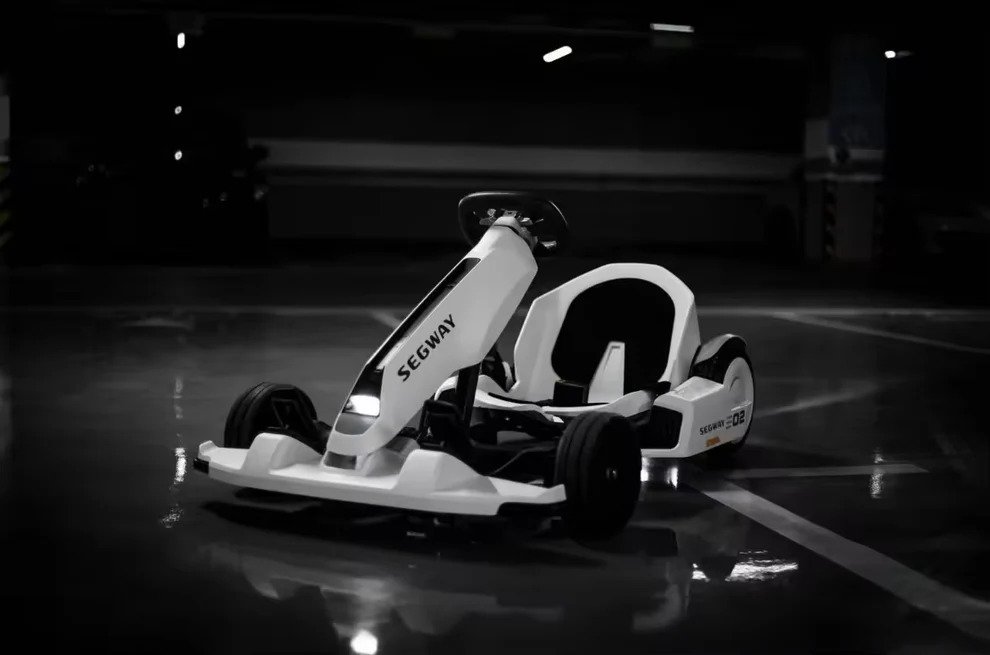
Choosing a ride-on vehicle for a child can be an exciting experience. Parents often start by looking at the design, colour, or features that catch their child’s attention. One child may immediately want a sporty model, while another may prefer a Jeep-style vehicle or a larger SUV.
But there’s another question that deserves attention before choosing a model:
Is the vehicle actually suitable for the child’s age and stage of development?
Children grow quickly, and a vehicle that is appropriate for one age group may not be the right choice a year or two later. Younger children may need simple controls and lower speeds, while older children may be ready for larger vehicles with more advanced features.
When looking at toy cars for kids, parents should therefore consider more than appearance. Age recommendations, weight capacity, vehicle size, controls, speed, battery system, seating, and riding environment all play a role in determining whether a particular ride-on vehicle is suitable.
This guide explains how parents can approach ride-on vehicles by age group, what features to look for at different stages, and how to choose a vehicle that provides an enjoyable and manageable play experience.
Why Age Matters When Choosing a Ride-On Car
Age is one of the easiest ways to begin narrowing down your choices.
Manufacturers usually provide recommended age ranges for their vehicles. These recommendations exist because different vehicles can vary significantly in:
- Size
- Speed
- Weight capacity
- Controls
- Motor power
- Battery voltage
- Seat dimensions
- Overall complexity
A vehicle designed for an older child may be too large or difficult for a younger rider to control.
On the other hand, a very small ride-on may become uncomfortable for an older child.
Age therefore provides a useful starting point.
However, it shouldn’t be considered on its own.
Age Isn’t the Only Factor
Two children of the same age can have completely different physical sizes and riding abilities.
That’s why parents should consider age alongside:
- Height
- Weight
- Coordination
- Confidence
- Previous experience
- Ability to follow instructions
For example, an older child who has never used a ride-on vehicle may benefit from starting with a simpler model rather than immediately choosing the most powerful option.
Likewise, a younger child who is physically larger may need a vehicle with a suitable weight capacity and enough space.
Ride-On Cars for Toddlers
For very young children, simplicity is usually more important than performance.
At this stage, children are still developing basic coordination and learning how to interact with moving toys.
Parents should look for:
- Appropriate age recommendation
- Simple controls
- Low and manageable speed
- Stable design
- Comfortable seating
- Suitable size
- Adult supervision
Some models intended for younger children may also include parental remote controls.
These can give adults an additional way to manage the vehicle while the child becomes familiar with the experience.
Why Simple Controls Matter for Young Children
Imagine giving a young child a vehicle with multiple buttons, gears, and controls.
They may become more interested in pressing everything than actually learning how the vehicle works.
Simple controls can make the first experience easier.
For example, a child may initially only need to understand:
- How to move forward
- How to stop
- How to steer
- How to stay within the riding area
Once they become comfortable, parents can introduce additional functions.
Parental Remote Controls for Younger Riders
A parental remote can be particularly helpful with younger children.
Depending on the model, an adult may be able to control or stop the vehicle remotely.
This can be useful if the child:
- Doesn’t understand how to stop
- Turns toward an obstacle
- Gets distracted
- Moves toward an unsafe area
The remote gives parents an additional layer of control.
It doesn’t eliminate the need for supervision.
Parents should remain close enough to intervene physically when necessary.
Ride-On Cars for Children Around Preschool Age
As children become more comfortable with movement and steering, they may be ready for a slightly more interactive ride-on experience.
Parents can start considering vehicles with:
- Steering wheels
- Foot pedals
- Forward and reverse
- Simple gear selectors
- Lights
- Horns
- Music
At this stage, children often become more interested in pretending that they are actually driving.
This is where the design of the vehicle can become an important part of imaginative play.
Imaginative Play and Ride-On Vehicles
A ride-on vehicle can become much more than something that moves.
Children can turn it into:
- A family car
- A police vehicle
- A delivery truck
- A racing car
- An adventure vehicle
- A taxi
- A rescue vehicle
The child isn’t simply travelling from one side of the garden to another.
They’re creating a story.
This type of imaginative play is one of the reasons ride-on vehicles remain popular with children.
Choosing a Ride-On for Early Learners
For a child who is just beginning to operate an electric vehicle, parents should focus on controllability.
Consider:
- Moderate speed
- Easy steering
- Simple acceleration
- Reliable stopping
- Parental control where appropriate
The first few sessions should take place in an open, flat, controlled environment.
A quiet driveway or suitable private outdoor area may be easier to manage than a crowded public space.
Ride-On Cars for Primary-School Children
As children grow, their expectations can change.
They may want something that looks more like a real car.
They may also be capable of handling more controls.
At this stage, parents can consider larger models with:
- Larger seats
- Higher weight capacity
- More powerful motors
- Larger batteries
- Additional controls
- More realistic designs
However, the manufacturer’s recommended age and weight limits should always come first.
Larger Cars for Growing Children
One reason parents may consider a larger model is simply because children grow quickly.
A vehicle that fits a child comfortably today may become cramped later.
When choosing a ride-on, look at:
- Seat dimensions
- Legroom
- Steering position
- Foot pedal location
- Overall vehicle dimensions
The child should be able to operate the controls without stretching or sitting awkwardly.
What About 24V Ride-On Cars?
Some larger ride-on vehicles use 24V electrical systems.
These models can provide more power than many lower-voltage options, depending on the complete vehicle design.
However, voltage shouldn’t be used as a simple age calculator.
A 24V vehicle isn’t automatically appropriate for every older child.
Parents should also consider:
- Motor configuration
- Maximum speed
- Weight capacity
- Vehicle size
- Controls
- Manufacturer’s recommended age
The entire specification matters.
Ride-On Cars for Older Children
Older children often want more realistic experiences.
They may enjoy vehicles that include:
- Multiple speed settings
- Forward and reverse
- Multiple motors
- Larger wheels
- Two seats
- Working lights
- Horns
- Music
- Bluetooth
- Dashboard-style controls
These features can make the experience more immersive.
But parents should still evaluate whether the vehicle is appropriate for the child’s environment.
A larger and faster vehicle requires more space and greater supervision.
Two-Seater Ride-On Cars
Two-seat vehicles can be attractive for families with siblings.
They can allow two children to share the same play experience.
However, parents should check:
- Maximum combined weight
- Recommended age
- Seat dimensions
- Vehicle width
- Riding environment
Don’t assume that a two-seater can safely accommodate any two children.
The manufacturer’s weight limit is important.
When Is a Two-Seater Useful?
A two-seater may make sense if:
- Siblings regularly play together
- You have enough storage space
- The riding area is large enough
- Both children fall within the recommended age range
- Combined weight remains within the specified limit
If only one child will use the vehicle, a single-seat model may be more practical.
Ride-On Cars and Height
Height is sometimes overlooked because parents focus heavily on age.
But a child’s height can directly affect how comfortably they operate the vehicle.
Check whether the child can:
- Reach the steering wheel
- Reach the pedals
- Sit comfortably
- See over the dashboard
- Enter and exit easily
If the vehicle is too large, the child may struggle with basic controls.
Ride-On Cars and Weight
Weight capacity is another essential specification.
Manufacturers typically provide a maximum recommended load.
Parents should consider the child’s current weight and whether siblings will share the vehicle.
Riding beyond the recommended capacity can affect:
- Acceleration
- Battery performance
- Motor load
- Handling
Always stay within the manufacturer’s specifications.
Matching Battery Power to Age
Battery systems are often described using voltage.
You may encounter:
- 6V
- 12V
- 24V
These systems can be found across different types of ride-on products.
But parents shouldn’t select a vehicle based solely on voltage.
A 12V vehicle with a particular motor and gearing may perform differently from another 12V vehicle.
Look at the complete specification.
Battery Capacity and Riding Time
Battery capacity can affect how long the vehicle operates between charges.
Actual runtime depends on:
- Rider weight
- Terrain
- Speed
- Motor configuration
- Battery condition
- Driving habits
An older child who rides continuously at higher speed may use more energy than a younger child who drives slowly and stops frequently.
Parents should therefore treat advertised runtime as an estimate rather than a guarantee.
Choosing the Right Speed
Speed should be appropriate for the rider’s experience.
Younger children generally benefit from slower, easier-to-control vehicles.
Older children may be capable of managing additional speed, but that doesn’t mean maximum speed should be the priority.
Parents should consider:
- Age
- Experience
- Riding area
- Supervision
- Vehicle controls
If speed settings are available, starting slowly can help children learn gradually.
Teaching Children to Drive Responsibly
Regardless of age, children should understand basic riding rules.
Teach them to:
- Stop when told
- Watch where they’re going
- Avoid people
- Stay away from roads
- Avoid stairs
- Stay away from water
- Remain seated
- Use the seatbelt where provided
Younger children may need constant reminders.
Older children can gradually take more responsibility while still being supervised.
Age and Riding Environment
The same vehicle can feel very different depending on where it is used.
A larger vehicle may be manageable in a spacious private garden.
The same vehicle could be difficult to control in a small courtyard.
For younger children, choose an environment with:
- Flat ground
- Plenty of space
- No traffic
- Few obstacles
- Clear boundaries
A controlled environment makes learning easier.
Ride-On Cars for Indoor Use
Some compact ride-on vehicles may be suitable for indoor use where the manufacturer allows it.
Before using one inside, consider:
- Doorway width
- Furniture
- Floor surface
- Turning space
- Walls
- Stairs
A vehicle that works perfectly outdoors may be impractical indoors.
For indoor riding, smaller dimensions and lower speeds can be particularly useful.
Ride-On Cars for Gardens
Gardens provide more room but may have grass, plants, paving, and uneven surfaces.
If your child will ride on grass, check the vehicle’s suitability.
Consider:
- Tire design
- Motor configuration
- Ground clearance
- Weight capacity
Don’t assume that every electric ride-on can handle thick grass.
Ride-On Cars for Driveways
Driveways can provide a good controlled riding surface, especially when they are flat and clear.
However, parents should keep children away from moving vehicles.
The riding area should be clearly separated from parking and vehicle movement.
UAE Climate Considerations
For families in the UAE, outdoor conditions deserve additional attention.
During extremely hot weather, children may become uncomfortable quickly.
Parents should consider choosing cooler periods of the day for outdoor play and providing access to shade and water.
The vehicle itself should also be protected from direct sunlight.
Protecting Ride-On Cars From Heat
Electric ride-on vehicles contain batteries and electrical components.
Excessive heat isn’t ideal for these components.
When the vehicle isn’t being used:
- Keep it shaded
- Avoid direct sunlight
- Store it in a protected area
- Follow battery-storage instructions
- Use the recommended charger
Good storage habits can help preserve the vehicle over time.
How Long Can a Child Use the Same Ride-On?
This depends on the model.
A child may outgrow a smaller vehicle relatively quickly.
Larger models with higher weight capacities may remain useful for longer.
When choosing a vehicle, consider not just the child’s current size but whether the design provides enough room for comfortable use as they grow.
However, don’t buy a vehicle that is too large today simply because it might fit later.
The vehicle must be appropriate for current use.
Signs That a Child Has Outgrown Their Ride-On
Parents may notice:
- Knees becoming cramped
- Difficulty reaching controls
- Difficulty getting into the seat
- Shoulders extending awkwardly beyond the seat
- Weight approaching the maximum capacity
- Child losing interest because the vehicle feels too small
These can indicate that it’s time to consider a larger model.
Buying for a Growing Child
If you want a vehicle that lasts longer, pay attention to:
- Maximum weight capacity
- Seat size
- Legroom
- Vehicle dimensions
- Adjustable or flexible features where available
But don’t compromise current suitability.
The goal is to choose a vehicle that fits the child now while offering reasonable room for growth.
Features That Matter More With Age
Different features become more useful as children develop.
Younger Children
Prioritise:
- Stability
- Simple controls
- Lower speed
- Appropriate size
- Parental supervision
Middle Age Range
Consider:
- Steering
- Pedals
- Forward/reverse
- Lights
- Horn
- More interactive features
Older Children
You may consider:
- Larger motors
- Higher battery capacity
- Multiple speed settings
- Larger body
- Two seats
- More realistic controls
The exact age ranges depend on the individual product.
What Parents Shouldn’t Prioritise
Some features look impressive but aren’t essential.
For example:
- Bluetooth
- Music
- Decorative lights
- USB ports
These can make the experience more entertaining, but they shouldn’t be more important than:
- Safety
- Size
- Weight capacity
- Speed
- Controls
- Battery
- Motor configuration
Start with practical features.
Entertainment comes afterward.
Don’t Choose a Ride-On Only Because Your Child Likes the Design
Children naturally choose based on appearance.
That’s perfectly normal.
But parents need to make the final decision based on suitability.
If your child loves a particular sports-car design, see whether the vehicle:
- Fits their age
- Supports their weight
- Provides enough legroom
- Has manageable speed
- Works in your intended riding environment
If it does, the design can become the final deciding factor.
Should Parents Buy a Ride-On Car for Future Use?
This depends on the child’s current size and the model.
Buying a slightly larger vehicle may be reasonable if the child can safely and comfortably use it according to the manufacturer’s recommendations.
But buying a vehicle that is clearly too large or powerful for the child simply because they may grow into it isn’t recommended.
Current suitability should always come first.
Electric Ride-On Cars vs Push Ride-Ons by Age
Both electric and manual options can have a place in children’s play.
Manual push or foot-powered vehicles can be attractive for younger children who benefit from physical movement and simple operation.
Electric vehicles can provide a more realistic driving experience and may be suitable for children who can manage the controls.
The decision should be based on:
- Age
- Physical size
- Experience
- Interest
- Intended environment
How Parents Can Introduce an Electric Ride-On
For a child using an electric vehicle for the first time:
Start With the Controls
Explain each control before moving.
Use the Lowest Suitable Speed
If the model provides speed settings, start conservatively.
Choose Flat Ground
Avoid slopes during the learning stage.
Practise Stopping
Make sure the child knows how to stop.
Stay Nearby
Maintain close supervision.
Increase Freedom Gradually
As the child becomes more confident, parents can allow more independent control within a safe environment.
A Parent’s Age-Based Checklist
Before purchasing, ask:
Is the vehicle suitable for the child’s age?
Check the manufacturer’s recommendation.
Is it suitable for their weight?
Compare their weight with the maximum capacity.
Can they reach the controls?
Check seating and dimensions.
Can they control the speed?
Consider their experience.
Is the riding area appropriate?
Choose a safe, controlled environment.
Will the vehicle fit where it is stored?
Measure before purchasing.
Will they actually enjoy it?
Choose a design that matches their interests.
Common Mistakes Parents Make
Buying Too Large
A bigger vehicle isn’t always better.
Ignoring Weight
Weight capacity affects performance and suitability.
Focusing Only on Voltage
Voltage doesn’t tell the complete performance story.
Choosing Maximum Speed
Faster isn’t necessarily more enjoyable or appropriate.
Ignoring Riding Space
Larger vehicles need more room.
Forgetting Battery Care
Electric models require appropriate charging and storage.
Assuming Age Is the Only Factor
Height, weight, experience, and coordination matter too.
Final Thoughts
Choosing a ride-on vehicle by age doesn’t mean finding a strict age category and buying the first product that matches it.
Age is simply the starting point.
Parents should also consider the child’s weight, height, experience, coordination, interests, and the environment where the vehicle will be used.
For younger children, simple controls, manageable speeds, appropriate dimensions, and parental supervision can be particularly important. As children grow, larger vehicles with greater weight capacities and more advanced controls may become suitable.
The best approach is to compare the complete specifications instead of focusing on one number.
Check the recommended age. Check the weight limit. Look at the seat size. Understand the battery and motor system. Consider the speed and controls. Then think about where your child will ride.
If you’re comparing different models for different age groups, explore the toy cars for kids collection and compare the available designs, sizes, features, and specifications.
Remember that children develop at different rates. A model that’s suitable for one child may not be the best choice for another child of the same age.
Once you’ve selected the right vehicle, introduce your child to it gradually. Start in a controlled area, explain the controls, practise stopping and steering, and maintain appropriate supervision.
With the right combination of vehicle, environment, and supervision, a ride-on car can become an exciting part of a child’s outdoor and imaginative play.
And if you’re exploring other products to complement your child’s playtime, toys can provide plenty of options for indoor and outdoor entertainment.
Frequently Asked Questions
What age is suitable for kids ride-on cars?
It depends on the specific model. Manufacturers provide recommended age ranges, and parents should also consider the child’s height, weight, coordination, and experience.
Are ride-on cars suitable for toddlers?
Some models are specifically designed for younger children. Parents should select a model that matches the manufacturer’s recommended age and weight limits and provide close supervision.
What is the best ride-on car for a 3-year-old?
There isn’t one universal model. Parents should look for an appropriately sized vehicle with manageable speed, simple controls, suitable weight capacity, and safety features appropriate for the child’s age.
Are 24V ride-on cars suitable for older children?
Some 24V models are designed for older or larger children, but voltage alone shouldn’t determine suitability. Check the manufacturer’s age, weight, speed, and usage recommendations.
When should a child move to a larger ride-on car?
Consider a larger vehicle when the child becomes cramped, approaches the weight limit, or can no longer comfortably reach the controls.
Are two-seater ride-on cars suitable for siblings?
Yes, provided the vehicle is specifically designed for two riders and the combined weight is within the manufacturer’s recommended capacity.
Can older children still enjoy ride-on cars?
Yes. Larger ride-on vehicles can provide older children with a more advanced and immersive pretend-driving experience when the model is appropriate for their size and age.
Should I buy a ride-on car that my child can grow into?
A vehicle can have some room for growth, but it should still be suitable and manageable for the child at the time of purchase.