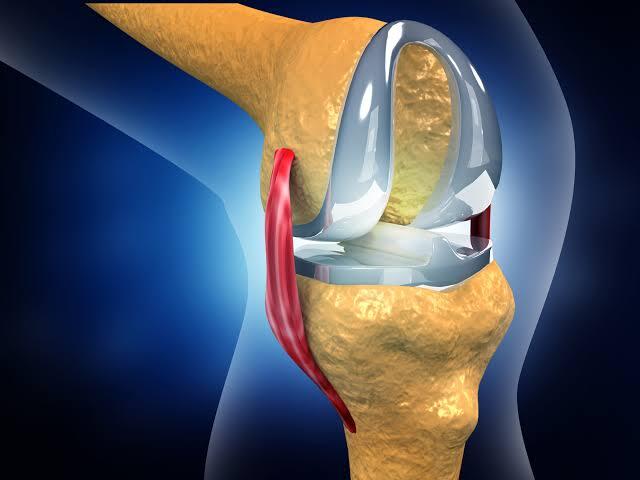
Knee replacement surgery is a highly effective procedure for people suffering from severe knee pain, arthritis, or joint damage that limits mobility and affects daily life. While the surgery itself is an important milestone, the recovery process plays an equally crucial role in ensuring long-term success.
Recovery after knee replacement requires patience, discipline, and a structured rehabilitation plan. Patients who follow proper guidelines often regain mobility, reduce pain significantly, and return to normal activities within a few months.
Individuals considering Knee replacement in Islamabad often want to understand what the recovery journey looks like and how they can prepare for each stage effectively.
Immediate Recovery After Surgery:
The first 24 to 48 hours after knee replacement surgery are focused on stabilization and pain management. Patients are closely monitored in the hospital to ensure there are no complications such as infection, excessive swelling, or blood clots.
Pain relief medications are provided to keep discomfort under control, and early movement is encouraged to prevent stiffness and improve circulation.
Even small movements of the ankle and foot are important during this stage to promote healing and reduce complications.
Hospital Stay and Early Mobility:
Most patients begin walking with assistance within a day or two after surgery. Physiotherapists guide patients on how to safely stand, walk with support, and perform basic exercises.
The hospital stay typically lasts a few days depending on individual recovery speed and overall health condition.
Early mobility is essential because it helps restore joint function and prevents stiffness in the replaced knee.
Importance of Physiotherapy:
Physiotherapy is one of the most important parts of knee replacement recovery. A structured rehabilitation program helps strengthen muscles around the knee, improve flexibility, and restore normal movement patterns.
Exercises usually begin gently and gradually increase in intensity over time. Consistency is key to achieving the best results.
Skipping physiotherapy sessions can delay recovery and reduce the long-term success of the surgery.
Managing Pain and Swelling:
Pain and swelling are normal after knee replacement surgery and can last for several weeks. However, proper management techniques can significantly reduce discomfort.
Doctors may prescribe pain medications, ice therapy, and elevation of the leg to control swelling.
Following medical advice carefully helps ensure a smoother and more comfortable recovery process.
Walking and Daily Activities:
Patients choosing Knee replacement in Islamabad are usually encouraged to gradually increase walking distance as recovery progresses.
At first, walking aids such as walkers or crutches may be needed. Over time, patients transition to walking independently as strength improves.
Daily activities like climbing stairs, sitting, and standing become easier with consistent rehabilitation.
Long-Term Recovery Timeline:
Full recovery after knee replacement can take several months. Most patients experience significant improvement within 6 to 12 weeks, but complete healing and full strength may take up to a year.
Regular exercise, proper nutrition, and follow-up appointments all contribute to successful long-term recovery.
Patience during this period is important for achieving the best functional outcome.
Preventing Complications:
Preventing complications is a key part of recovery. Patients are advised to follow hygiene guidelines to avoid infection and to take precautions against blood clots.
Staying active, wearing compression stockings if recommended, and taking prescribed medications help reduce risks.
Any unusual pain, swelling, or fever should be reported to a healthcare provider immediately.
Lifestyle Adjustments After Surgery:
After knee replacement, certain lifestyle adjustments may be necessary to protect the new joint. High-impact activities should be avoided, while low-impact exercises such as walking, swimming, or cycling are encouraged.
Maintaining a healthy weight also reduces pressure on the knee joint and improves long-term results.
These adjustments help ensure the durability of the artificial joint.
Emotional and Mental Recovery:
Recovery is not only physical but also emotional. Some patients may feel frustrated due to slow progress in the early stages.
Staying positive, setting realistic expectations, and following medical advice can greatly improve the recovery experience.
Support from family and healthcare professionals plays an important role in maintaining motivation.
Conclusion:
Knee replacement recovery is a gradual process that requires patience, commitment, and proper rehabilitation. With structured physiotherapy, pain management, and healthy lifestyle adjustments, patients can achieve excellent long-term outcomes and regain mobility.
For expert orthopedic care and advanced surgical treatment, visit jj medics hospital, where experienced specialists provide comprehensive knee replacement services and personalized recovery support to ensure safe, effective, and successful rehabilitation.