LED lights have transformed the lighting industry by providing energy-efficient, long-lasting, and environmentally friendly illumination solutions. From homes and offices to streets and industrial facilities, LED lighting has become the preferred choice for modern lighting needs. As energy costs continue to rise and sustainability becomes a priority, more people are switching to LED lights to reduce electricity consumption and maintenance expenses.
What Is an LED Light?
LED stands for Light Emitting Diode. Unlike traditional incandescent or fluorescent bulbs, LED lights produce illumination through a semiconductor that emits light when an electric current passes through it. This technology allows LEDs to generate bright light while consuming significantly less energy.
LED lights are available in various shapes, sizes, colors, and brightness levels, making them suitable for a wide range of applications. Whether used for residential lighting, commercial spaces, outdoor areas, or industrial facilities, LEDs offer superior performance compared to conventional lighting options.
Key Benefits of LED Lights
Energy Efficiency
One of the biggest advantages of LED lights is their energy efficiency. LEDs consume up to 80% less electricity than traditional incandescent bulbs while producing the same or even better brightness. This reduced energy usage helps lower utility bills and decreases overall energy demand.
Long Lifespan
LED lights are designed to last much longer than traditional lighting solutions. A quality LED bulb can operate for 25,000 to 50,000 hours or more, depending on usage and product quality. This extended lifespan reduces replacement frequency and maintenance costs.
Environmentally Friendly
Unlike fluorescent lights, LEDs do not contain harmful substances such as mercury. They also consume less power, helping reduce carbon emissions associated with electricity generation. Their long lifespan further minimizes waste by reducing the number of discarded bulbs.
Enhanced Durability
LED lights are built using solid-state components, making them more resistant to vibrations, shocks, and impacts. This durability makes them ideal for demanding environments, including industrial facilities, warehouses, and outdoor installations.
Instant Illumination
LED lights reach full brightness immediately after being switched on. There is no warm-up period, making them suitable for locations where instant lighting is essential, such as security systems, parking lots, and emergency lighting.
Low Heat Emission
Traditional bulbs convert a large portion of energy into heat. In contrast, LED lights produce very little heat, improving safety and reducing cooling costs in indoor environments.
Common Applications of LED Lights
Residential Lighting
Homeowners use LED lights throughout their houses to improve energy efficiency and lighting quality. Common residential applications include:
- Living room lighting
- Kitchen lighting
- Bedroom lighting
- Bathroom lighting
- Outdoor garden lighting
- Security lighting
LED lights are available in different color temperatures, allowing homeowners to create warm, comfortable environments or bright, productive spaces.
Commercial Lighting
Businesses increasingly rely on LED lighting to reduce operating costs and improve workplace illumination. Commercial applications include:
- Offices
- Retail stores
- Shopping centers
- Hotels
- Restaurants
- Educational institutions
LED lighting enhances visibility while lowering electricity expenses, making it a smart investment for commercial facilities.
Industrial Lighting
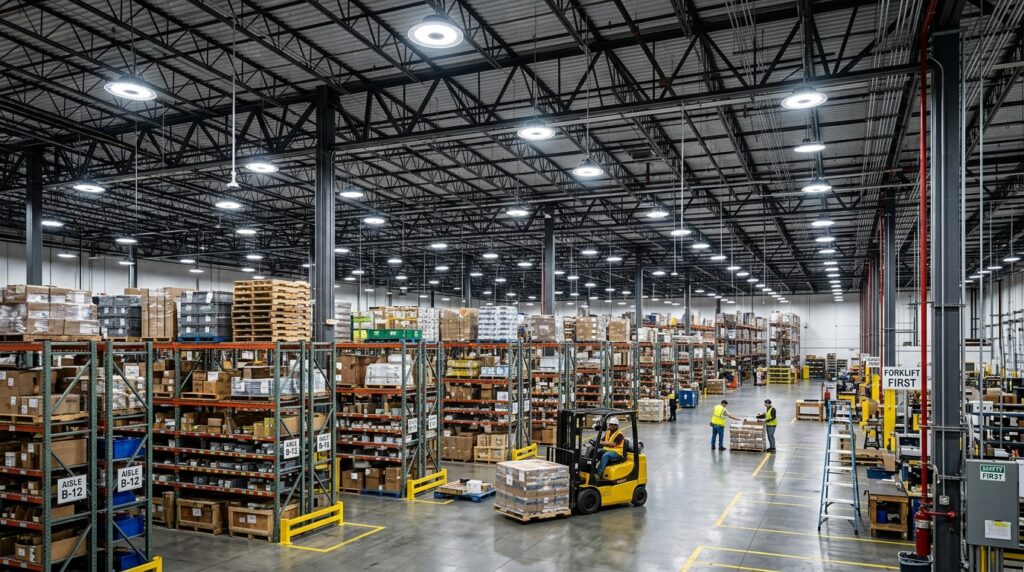
Industrial environments require powerful and reliable lighting solutions. LED lights are widely used in:
- Warehouses
- Manufacturing facilities
- Distribution centers
- Workshops
- Storage areas
Their durability and efficiency help businesses maintain safe working conditions while reducing maintenance requirements.
Outdoor Lighting
LED lights perform exceptionally well outdoors due to their durability and weather resistance. Popular outdoor applications include:
- Street lighting
- Parking lots
- Sports facilities
- Parks
- Pathways
- Building exteriors
Their bright illumination improves safety and visibility while reducing energy consumption.
Different Types of LED Lights
LED Bulbs
LED bulbs are direct replacements for traditional incandescent and compact fluorescent bulbs. They are commonly used in residential and commercial settings.
LED Panels
LED panel lights provide uniform illumination and are frequently installed in offices, schools, and healthcare facilities. Their sleek design contributes to a modern appearance.
LED Downlights
These recessed fixtures are ideal for residential and commercial interiors. LED downlights offer focused lighting while maintaining a clean and elegant aesthetic.
LED Strip Lights
Flexible LED strips are commonly used for decorative lighting, accent lighting, and architectural applications. They can be installed under cabinets, along ceilings, or around display areas.
LED Flood Lights
LED flood lights provide powerful illumination for outdoor spaces, construction sites, parking areas, and security applications.
LED High Bay Lights
Designed for facilities with high ceilings, LED high bay lights are commonly used in warehouses, factories, and gymnasiums.
How LED Lights Save Money
Although LED lights may have a higher initial purchase price than traditional bulbs, they provide significant long-term savings. Their lower energy consumption reduces monthly electricity bills, while their long lifespan minimizes replacement and maintenance expenses.
For example, a business operating hundreds of lighting fixtures can achieve substantial savings by upgrading to LED technology. These savings often offset the initial investment within a relatively short period.
Choosing the Right LED Light
When selecting LED lights, consider the following factors:
Brightness
Brightness is measured in lumens rather than watts. Higher lumen ratings indicate brighter illumination.
Color Temperature
LED lights are available in different color temperatures:
- Warm White (2700K–3000K): Comfortable and relaxing
- Neutral White (3500K–4500K): Balanced illumination
- Cool White (5000K–6500K): Bright and energetic
Energy Rating
Look for energy-efficient models that provide maximum light output with minimal power consumption.
Application Requirements
Choose LED lights designed for the intended environment. Outdoor installations should use weather-resistant fixtures, while industrial facilities may require high-output lighting systems.
The Future of LED Lighting
LED technology continues to evolve with innovations such as smart lighting systems, motion sensors, wireless controls, and advanced energy management features. Smart LED lights allow users to control brightness, color, and schedules through mobile applications or voice assistants.
As technology advances, LED lighting will become even more efficient, affordable, and versatile. Governments and organizations worldwide are encouraging the adoption of LED solutions to support energy conservation and environmental sustainability goals.
Conclusion
LED lights have become the leading lighting solution for residential, commercial, industrial, and outdoor applications. Their energy efficiency, long lifespan, durability, and environmental benefits make them a practical choice for modern lighting needs. Whether upgrading a home, improving workplace illumination, or reducing operational costs in an industrial facility, LED lights provide reliable performance and long-term value. Investing in LED lighting today helps create brighter spaces while supporting a more sustainable future.