Liquid Identity: How Soil and Subways Shape Tea Time in Taipei and Hong Kong
Introduction
When afternoon falls across the vibrant landscapes of East Asia, millions of people partake in a shared cultural ritual: tea time. Yet, the experience of this pause in the day changes completely depending on where you land. Crossing the waters between Taiwan and Hong Kong tea time boba reveals how the exact same agricultural product can be filtered through completely different histories. In Taiwan, tea time is an intentional retreat into nature, craftsmanship, and quiet contemplation. In Hong Kong, it is a high-speed social collision of British colonial legacy and Cantonese urban grit. Together, they demonstrate the fascinating versatility of the humble tea leaf.
Taiwan: A Sanctuary of Senses and Earth
Taiwanese tea time behaves as an antidote to modern acceleration. It is a slow, methodical practice deeply rooted in the island’s rich volcanic soil and mountainous geography.
The Hillside Sanctuaries
- The Environment: Traditional tea drinking thrives away from urban chaos, nestled in the foggy peaks of Alishan or the cliffside verandas of Maokong.
- The Core Ritual: Guests engage in Gongfu Cha (making tea with skill), using small clay teapots and precision-timed infusions.
- The Varieties: Hand-rolled High Mountain Oolong, floral Baozhong, and rare, honey-scented Oriental Beauty oolong.
- The Focus: The aroma cup is passed around first, allowing drinkers to inhale the changing scents of the leaves before taking a single sip.
The Modern Minimalist Leaf
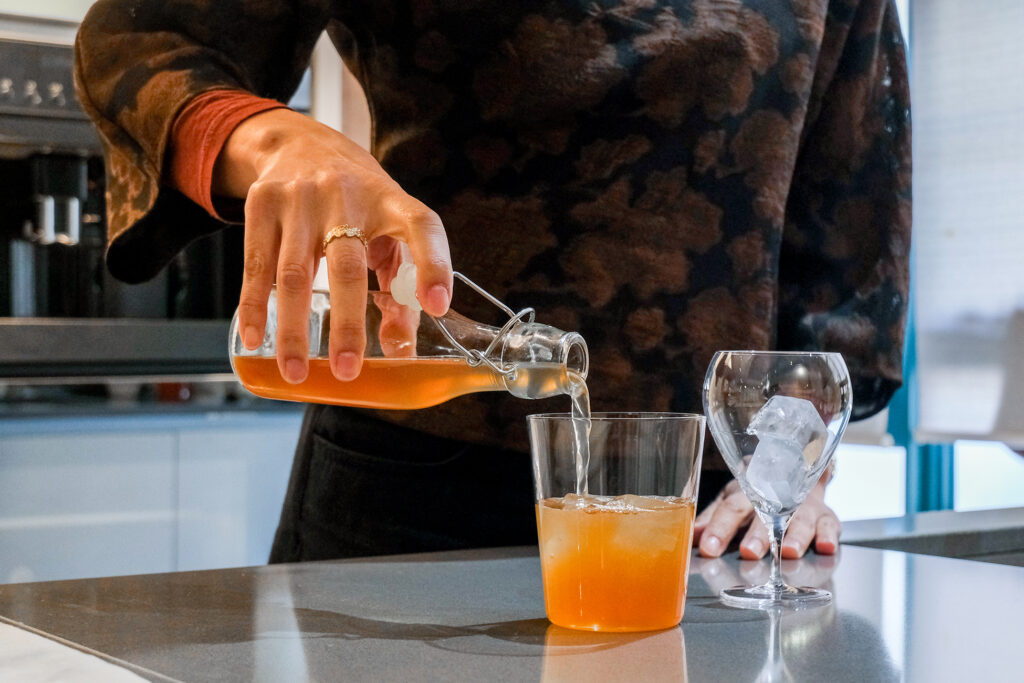
In cities like Taipei, this ancient reverence has morphed into high-design tea salons. Young urbanites escape into stark, quiet spaces that resemble high-end art galleries. Here, single-origin teas are brewed using scientific glass pour-overs or served ice-cold in delicate stemware. The accompanying snacks are carefully curated to avoid overpowering the palate. Delicate pumpkin seeds, lightly sweetened mung bean pastries, and slices of fresh local fruit serve as subtle accompaniments to the complex, evolving flavors of the brew.
Hong Kong: The Kinetic Energy of the Afternoon Charge
Step into Hong Kong at 3:15 PM, and the atmosphere changes completely. Tea time here—known as San Dim—is not an escape from city life, but a celebration of it.
The Cha Chaan Teng Hustle
- The Venue: The neighborhood Cha Chaan Teng (Hong Kong-style café), defined by tight booths, rapid-fire ordering, and clattering plastic dishes.
- The Fuel: Silk Stocking Milk Tea, created by layering a highly concentrated blend of Sri Lankan black teas with sweet, thick evaporated milk.
- The Vibe: Fast, loud, and intensely efficient, designed to deliver a massive hit of caffeine and sugar to the local workforce.
- The Pairings: Decadent, carb-heavy snacks like pineapple buns with melting slabs of real butter (Bolo Yau) and thick-cut French toast dripping in condensed milk.
The Yum Cha Gathering
For those with more time, Hong Kong offers Yum Cha (drinking tea alongside dim sum). In massive, brightly lit banquet halls, families and coworkers gather around large lazy Susans. Huge porcelain pots of dark, earthy Pu-erh, bitter Shoumei, or fragrant Jasmine tea are poured continuously. Here, the tea serves a functional, digestive purpose. It cuts cleanly through the rich, oily textures of steamed pork ribs, translucent shrimp dumplings, and crispy spring rolls.
+-------------------+-----------------------------------+-----------------------------------+
| Cultural Element | Taiwan Tea Time | Hong Kong Tea Time |
+-------------------+-----------------------------------+-----------------------------------+
| Primary Space | Mountainous tea houses & eco-cafes| Busy urban diners & banquet halls |
| Beverage Style | Pure, unblended whole-leaf Oolong | Strong black tea with milk/sugar |
| Flavor Profile | Floral, earthy, sweet-aftertaste | Bold, creamy, astringent, sweet |
| Main Accompaniment| Subtle pastries, dried fruits | Savory Dim Sum, buttery pastries |
| Mental State | Meditative, quiet, sensory-driven | Social, energetic, functional |
+-------------------+-----------------------------------+-----------------------------------+
Conclusion
Ultimately, the concept of tea time exposes the underlying philosophy of each society. Taiwan treats tea as a bridge back to nature and a tool for inner peace, asking the drinker to slow down and listen to the leaves. Hong Kong treats tea as fuel for survival and a catalyst for human connection, transforming an elite British custom into a democratic, working-class engine. Both styles prove that whether served in a delicate clay cup on a quiet mountain or in a plastic mug in a roaring diner, tea remains the ultimate medium for community.
To help design your next custom article, let me know your preferences:
- Should we focus the next piece on the economic trade and agriculture of tea farming?
- Do you prefer a switch to a first-person travelogue style or a marketing-oriented analysis?
- What specific formatting adjustments or layout style would you like to explore next?