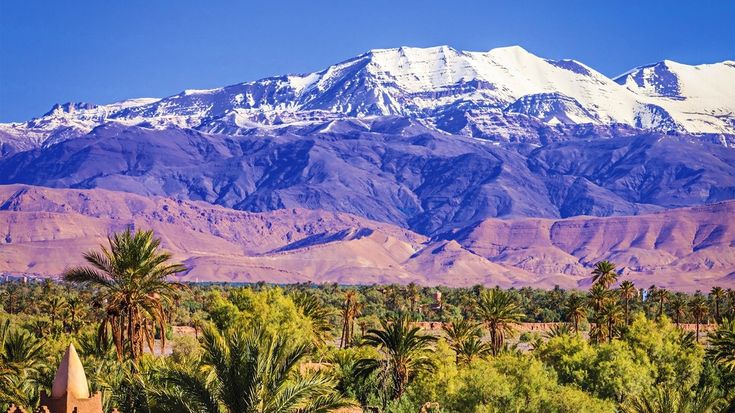
Hidden between dramatic valleys, ancient villages, and towering peaks, the Atlas Mountains offer travelers an unforgettable blend of elegance and excitement. Stretching across Morocco, Algeria, and Tunisia, this majestic range has become one of North Africa’s most captivating travel destinations.
Visitors from around the world come to experience breathtaking landscapes, authentic Berber culture, and outdoor adventures that range from gentle hiking to high-altitude trekking.
What makes this region truly unique is its ability to combine luxury with raw natural beauty. Travelers can spend the day exploring rugged trails and the evening relaxing in lavish mountain lodges with panoramic views. From traditional riads to exclusive desert camps, every experience feels both adventurous and refined.
A Landscape of Extraordinary Beauty
The scenery of the Atlas Mountains changes dramatically from one region to another. Snow-capped peaks rise above green valleys, while rocky cliffs overlook remote villages made from red clay and stone. In spring, wildflowers blanket the hillsides, creating colorful contrasts against the rugged terrain.
The High Atlas region is especially popular for travelers seeking dramatic mountain scenery. Here, Mount Toubkal, the highest peak in North Africa, attracts climbers and hikers throughout the year. The Middle Atlas offers cedar forests, waterfalls, and cooler temperatures, while the Anti-Atlas region presents a more desert-like environment with unique rock formations.
Luxury travelers often choose boutique accommodations built into the mountainsides. These lodges provide comfort without losing connection to the natural surroundings. Many feature private terraces, traditional Moroccan décor, gourmet dining, and spa services inspired by local wellness traditions.
Adventure Opportunities for Every Traveler
Adventure tourism has become one of the strongest attractions in the Atlas Mountains. Whether visitors are experienced climbers or casual explorers, there are activities suited to every level of fitness and experience.
Trekking and Hiking
Trekking remains the most popular activity in the region. Guided tours take visitors through hidden valleys, remote Berber villages, and scenic mountain passes. Multi-day hikes often include overnight stays in traditional guesthouses or luxury eco-lodges.
The trails around Mount Toubkal are among the most famous. Reaching the summit is challenging but rewarding, offering panoramic views across Morocco and even glimpses of the Sahara Desert on clear days.
Mountain Biking
For thrill-seekers, mountain biking provides an exciting way to explore rough terrain and winding paths. Riders can descend steep trails while enjoying spectacular views of rivers, valleys, and ancient settlements.
Professional tour operators often provide high-quality bikes, safety equipment, and experienced local guides who know the safest and most scenic routes.
Rock Climbing and Canyoning
The rugged cliffs and deep gorges create ideal conditions for rock climbing and canyoning. Adventurers can climb towering rock faces or navigate narrow canyons filled with waterfalls and natural pools.
These activities are growing in popularity among travelers looking for unique outdoor experiences beyond traditional sightseeing.
Luxury Experiences in the Mountains
While adventure draws many visitors to the region, luxury travel has also expanded significantly. Upscale resorts and exclusive retreats now offer premium experiences that blend Moroccan hospitality with world-class comfort.
Boutique Mountain Lodges
Many luxury lodges are designed to reflect local architecture while providing modern amenities. Guests can relax beside infinity pools overlooking the valleys or enjoy private fireplaces during cooler evenings.
Some properties also organize personalized excursions, including guided hikes, cooking classes, and cultural tours. This combination of comfort and authenticity creates a memorable travel experience.
Spa and Wellness Retreats
Wellness tourism is becoming increasingly popular in the region. Luxury spas offer treatments inspired by traditional Moroccan rituals, including argan oil massages, hammam experiences, and herbal therapies.
The peaceful mountain environment enhances relaxation, making the area ideal for yoga retreats and mindfulness escapes. Many travelers choose to balance adventurous activities with restorative wellness experiences.
Fine Dining and Local Cuisine
Food is an essential part of the travel experience. Luxury accommodations often serve gourmet versions of traditional Moroccan dishes, including tagines, couscous, grilled meats, and freshly baked bread.
Meals are frequently prepared using locally sourced ingredients from nearby farms and markets. Dining under the stars with mountain views creates a magical atmosphere that visitors never forget.
Cultural Encounters and Authentic Traditions
One of the greatest highlights of visiting the Atlas Mountains is the opportunity to connect with local Berber communities. These indigenous people have lived in the region for centuries and continue to preserve their traditions, language, and hospitality.
Travelers can visit traditional villages, learn about handmade crafts, and enjoy authentic music performances. Many guided tours include tea ceremonies or meals hosted by local families, offering deeper insight into daily life in the mountains.
Markets in the region are filled with handmade rugs, pottery, jewelry, and textiles. Purchasing these products supports local artisans while allowing travelers to bring home meaningful souvenirs.
Sustainable and Responsible Tourism
As tourism grows, sustainability has become increasingly important in the region. Many luxury operators now focus on eco-friendly practices that protect the environment and support local communities.
Eco-lodges often use solar energy, reduce plastic waste, and source food from nearby farms. Guided tours also encourage respectful interaction with local cultures and natural landscapes.
Responsible tourism ensures that future generations can continue to enjoy the beauty and traditions of the Atlas Mountains without damaging the environment or disrupting local communities.
Best Time to Visit
The best time to explore the region depends on the type of experience travelers seek. Spring and autumn are generally considered ideal because temperatures are pleasant and landscapes are vibrant.
Winter attracts visitors interested in snow-covered scenery and mountain climbing, while summer offers warm weather perfect for exploring higher elevations. Luxury accommodations are available year-round, though booking in advance is recommended during peak seasons.
Tips for a Memorable Journey
Travelers planning a trip should prepare for varying temperatures, especially in higher elevations where evenings can become quite cold. Comfortable hiking shoes, layered clothing, and sun protection are essential.
Hiring local guides can greatly enhance the experience by providing cultural insights and ensuring safe navigation through remote areas. Many luxury travel companies also offer customized itineraries tailored to specific interests, whether focused on adventure, wellness, photography, or cultural exploration.
Respect for local customs is equally important. Dressing modestly and learning a few basic phrases in Arabic or Berber can help create positive interactions with local communities.
Conclusion
The Atlas Mountains provide a rare combination of luxury, culture, and adventure that appeals to modern travelers seeking meaningful experiences. From thrilling mountain treks to elegant spa retreats, every journey through this remarkable region offers unforgettable memories.
Visitors can immerse themselves in dramatic landscapes, discover ancient traditions, and enjoy world-class hospitality all within the same destination. Whether seeking relaxation, excitement, or cultural discovery, travelers will find endless opportunities to explore and connect with one of North Africa’s most extraordinary natural wonders.