How to Make Hoodies Look Sharp and Stay Comfy
Comfort is the reason most people reach for a hoodie in the first place. Soft fabric, an easy fit, and a hood you can pull up when the weather turns make it one of the simplest pieces to live in. The problem starts when comfort turns into a careless outfit. Oversized proportions, worn-out sneakers, bulky layers, or mismatched colors can make even good hoodies look less polished than they should.
Fortunately, looking sharper does not mean replacing casual clothes with stiff jackets and formal trousers. Small styling choices can change the entire impression of an outfit while keeping the relaxed feeling that makes hoodies useful. Fit matters. So do fabric, color, layering, footwear, and the way the rest of the outfit balances the volume of the sweatshirt.
The goal is simple: keep the ease, lose the sloppy look. Once you understand a few basic styling rules, hoodies can work for coffee runs, casual offices, weekend dinners, travel days, campus outfits, and plenty of situations where you want to look put together without feeling overdressed.
Start with a hoodie that fits properly
A sharp outfit begins with fit. You can wear expensive shoes and carefully chosen trousers, but a badly fitting hoodie will still pull the outfit in the wrong direction.
That does not mean every hoodie needs to be slim. Relaxed fits can look excellent. The important part is intention. A roomy sweatshirt should have clean shoulders, controlled sleeve length, and a hem that works with your body proportions. There is a difference between deliberately oversized clothing and something that simply looks two sizes too big.
For a cleaner everyday shape, check where the shoulder seams sit. A standard fit usually looks best when those seams stay close to the natural shoulder. Slightly dropped shoulders work well for streetwear outfits, but the rest of the clothing should support that wider silhouette.
Sleeves matter too. Excess fabric gathering around the wrists can make an outfit feel untidy. A ribbed cuff that sits securely at the wrist keeps the shape controlled and makes layering under a coat easier.
Pay attention to fabric and structure
Two sweatshirts can share the same basic design and still look completely different once worn. Fabric weight has a lot to do with it.
Thin material tends to collapse around the body. That can be comfortable at home, but it rarely produces the clean shape you want from a more polished casual outfit. Medium-weight and heavyweight hoodies usually hold their form better through the shoulders, chest, hood, and waistband.
Look closely at the hood itself. A flat, limp hood can make the neckline look unfinished. A fuller hood with enough fabric to hold its shape gives the upper body more structure, especially when worn beneath a jacket.
Fabric condition also counts. Pilling, stretched cuffs, faded patches, and a loose waistband quickly make clothing look tired. Comfortable does not need to mean worn out. Keeping your better hoodies separate from your stay-at-home pieces makes it much easier to build casual outfits that still look intentional.
Use cleaner colors when you want a sharper outfit
Color is one of the quickest ways to control how casual an outfit feels. Neutral shades such as black, charcoal, navy, cream, gray, brown, and muted green are easier to combine with structured clothing. They also give you more freedom with trousers, coats, and shoes.
A bold sweatshirt can still look polished, but the surrounding outfit should be quieter. If the top has a strong graphic or bright color, let it carry the visual weight instead of adding several other competing details.
Monochrome outfits are another useful option. Wearing several shades from the same color family can make hoodies look more refined without adding anything uncomfortable. A charcoal sweatshirt with black trousers and dark sneakers, for example, feels relaxed but visually controlled.
Keep logos in proportion to the outfit
Graphics and logos are not automatically messy. Scale is the bigger issue. Large artwork creates a strong streetwear feel, while smaller branding tends to blend more easily with smart casual pieces.
A piece such as the coach hoodie can work as the visual center of an outfit. Pairing a recognizable design with simple trousers and understated footwear keeps attention on one piece instead of making every part of the outfit compete.
This approach becomes especially useful when you want personality without giving up polish. One noticeable item is usually enough.
Build the outfit around balanced proportions
Good hoodie styling is often more about proportion than individual products. A bulky top with equally bulky trousers and heavy shoes can overwhelm the body. On the other hand, an extremely oversized sweatshirt paired with skin-tight pants can create a harsh contrast.
Straight-leg trousers are one of the safest choices. They give the lower half enough visual weight to balance relaxed hoodies while still creating a clean line. Tapered pants can work too, especially with regular-fit sweatshirts.
If you prefer wider hoodies, try trousers with a little more room through the thigh and leg. The result feels consistent rather than top-heavy. Cropped or boxy sweatshirts also pair well with higher-rise pants because the shorter top prevents the torso from looking overly long.
Think about where each piece ends. The hem of the sweatshirt, the break of the trousers, and the height of the shoes all affect the overall silhouette. Those small details are often what separates a comfortable outfit from one that looks accidental.
Layer a hoodie under structured outerwear
Layering is one of the easiest ways to make casual clothing look more deliberate. A coat or jacket gives the outfit a defined outer shape while the sweatshirt underneath keeps the soft, comfortable feel.
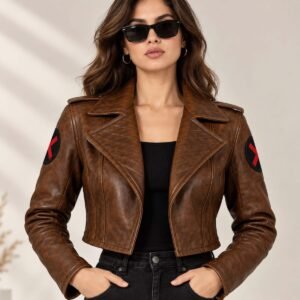
Leather jackets work particularly well because their structure contrasts with fleece or cotton. Wool coats create an even stronger mix of casual and polished elements. Denim jackets, bombers, work jackets, and simple overshirts are good choices for everyday wear.
There is one practical rule to remember: the outer layer needs enough room. If a jacket already fits tightly over a T-shirt, forcing a thick sweatshirt underneath will create pulling around the shoulders and chest. That does not look sharp, and it is not comfortable either.
Choose outerwear that lets the hoodie sit naturally. The hood should lie cleanly over the collar rather than bunching into a thick pile of fabric.
Let expressive pieces have some breathing room
Not every outfit needs to be minimalist. Some hoodies work because they carry a message, print, or cultural identity that deserves attention.
The sincerely yours hoodie is the kind of piece that can lead the outfit rather than disappear beneath several competing layers. Keeping pants, shoes, and accessories quieter gives a statement sweatshirt room to look intentional.
You do not need to hide personality to dress sharply. You simply need to decide where the personality should come from.
Swap sweatpants for trousers or clean denim
A sweatshirt with matching sweatpants is comfortable, but it naturally leans toward loungewear. If you want to sharpen the outfit without touching the top half, change the pants.
Clean dark denim is an easy starting point. Straight or slightly relaxed jeans give hoodies a familiar casual look while adding more structure than fleece pants. Avoid excessive distressing when you are aiming for a polished result.
Chinos also work well. Black, olive, tan, or navy chinos give the outfit a tidy base without feeling formal. For a stronger smart casual look, try pleated trousers or wool-blend pants. The softness of the sweatshirt keeps those trousers from looking too dressed up.
Cargo pants can work too, especially with streetwear outfits, but pocket size and leg width matter. Large pockets, straps, and extra hardware add visual noise. Cleaner cargo designs usually pair better with graphic or patterned sweatshirts.
Choose footwear that finishes the outfit properly
Shoes have more influence on casual styling than people often realize. A good sweatshirt and clean trousers can still look careless if the sneakers are dirty, damaged, or badly matched to the proportions of the outfit.
Minimal sneakers are an obvious choice because they keep things relaxed while creating a neat finish. White, black, gray, and off-white pairs work with most neutral hoodies. Retro sneakers can add character without making the outfit too loud.
Boots change the mood completely. Chelsea boots can push a dark sweatshirt toward smart casual territory, while work boots give heavier hoodies a rugged look. Simple leather sneakers sit somewhere between the two.
The key is condition. You do not need new shoes every season. Clean shoes with intact laces and a shape that suits the trousers will do far more for an outfit than an expensive pair that looks neglected.
Use patterns without making the outfit chaotic
Patterned sweatshirts give you an easy way to make a simple outfit more noticeable. Camo, tie-dye, stripes, color blocking, and graphic prints can all work, but they already carry visual information. Adding too many other patterns usually makes the outfit harder to read.
If your top is patterned, build the rest of the outfit from colors already present in the design. This creates a connection between pieces instead of introducing unrelated shades.
An abercrombie camo hoodie, for instance, can be paired with plain black, gray, cream, or muted trousers so the pattern remains the focal point. Simple footwear can finish the outfit without adding another competing element.
This is an easy styling habit to remember: the busier the sweatshirt, the quieter the supporting pieces should become.
Keep accessories simple and useful
Accessories can make hoodies feel more considered, but adding too many has the opposite effect. A watch, cap, simple chain, tote, or compact crossbody bag is usually enough.
Choose accessories that suit the direction of the outfit. A leather watch fits naturally with trousers and a wool coat. A cap works better with denim, cargos, or sneakers. A clean backpack makes sense for travel and campus looks without changing the character of the sweatshirt.
Color coordination helps here as well. Your accessories do not have to match perfectly, but repeating one or two shades makes the outfit feel connected. Black shoes with a black watch strap or a brown belt with brown footwear can quietly pull things together.
Take care of your hoodies if you want them to stay sharp
Styling can only do so much if the garment itself is in poor condition. Regular care keeps hoodies looking better and usually extends their useful life.
Check the care label before washing. Turning printed sweatshirts inside out can help protect the design from friction. Avoiding excessive heat can also reduce shrinking and wear, depending on the fabric. Once dry, fold heavier pieces rather than stretching them on narrow hangers for long periods.
Lint rollers are useful for dark fabric, especially before wearing a black or navy sweatshirt with a coat. Small details such as removing loose threads, cleaning marks quickly, and keeping drawstrings even make a bigger difference than they sound like they should.
A well-kept basic often looks sharper than a more expensive garment that has been treated badly.
Know when the relaxed look fits the occasion
Hoodies can work in more settings than they once did, but context still matters. A creative workplace, casual dinner, flight, shopping trip, or weekend gathering gives you plenty of room to wear one well.
For situations that call for smarter clothing, choose a plain sweatshirt in a neutral color and pair it with structured trousers and clean outerwear. Leave heavily distressed pieces, oversized graphics, and worn sneakers for more casual settings.
Comfort and effort are not opposites. You can feel relaxed while still showing that you thought about what you put on.
Frequently Asked Questions
How can I make a hoodie look more expensive?
Focus on fit, fabric condition, color, and the clothes around it. A clean heavyweight sweatshirt paired with structured trousers, a simple coat, and well-maintained shoes can look far more polished than a poorly coordinated designer outfit.
Can I wear a hoodie with smart trousers?
Yes. Plain hoodies in black, navy, gray, cream, or other muted shades pair especially well with tailored or pleated trousers. Keep the footwear clean and avoid an excessively bulky sweatshirt if the trousers have a narrow cut.
What jacket looks best over a hoodie?
Leather jackets, bombers, denim jackets, wool coats, work jackets, and overshirts can all work. The best choice depends on the outfit, but the outer layer should have enough room through the shoulders and chest to avoid bunching.
Should a hoodie be oversized or fitted?
Either can look good. A regular fit is easier to style for a neat everyday outfit, while an oversized fit works well when the trousers and footwear balance the extra volume. Intentional proportions matter more than choosing one specific fit.
Can hoodies work for smart casual outfits?
They can in relaxed smart casual settings. Choose a simple, clean sweatshirt with little or no graphic branding, then add trousers, refined sneakers or boots, and structured outerwear. More formal events still call for more traditional clothing.
Make comfort look intentional
You do not need to give up the sweatshirt you like just because you want your outfit to look sharper. Most improvements come from simple choices: a better fit, stronger proportions, cleaner shoes, thoughtful layering, and clothing that has been looked after.
Once the basics are right, comfort becomes part of the style instead of an excuse for ignoring it. That is what makes hoodies so useful. They can stay soft, practical, and easy to wear while still fitting into an outfit that looks finished.
If you are updating your casual wardrobe, Jackets Junction offers statement pieces and familiar styles that can help you build outfits around the comfort you already enjoy. Choose a sweatshirt that fits your style, pair it with clean supporting pieces, and make everyday dressing feel easier without looking careless.