Melasma is a common skin condition characterised by brown, grey-brown, or darker patches that usually appear on the face. It often affects areas such as the cheeks, forehead, upper lip, nose, and chin. Although melasma is not harmful in itself, uneven pigmentation can affect the overall appearance of the complexion and make achieving an even skin tone challenging.
With modern aesthetic treatments and personalised skincare approaches, individuals have several options for managing melasma and improving the appearance of their skin. Melasma In Manchester is an increasingly relevant treatment consideration for people looking to address stubborn pigmentation and achieve a brighter, more balanced complexion.
At SLA Medical Clinic, individuals can explore suitable skin treatments through a personalised consultation. Understanding the type of pigmentation, possible triggers, and individual skin characteristics helps determine an appropriate approach to melasma management.
What Is Melasma?
Understanding Melasma and Skin Pigmentation
Melasma is a pigmentation condition that develops when melanocytes, the cells responsible for producing melanin, become overactive. This can lead to excess pigment accumulating in certain areas of the skin, creating visible patches and uneven skin tone.
Melasma most commonly affects the face, particularly areas that receive regular sun exposure. The patches are generally flat and may vary in colour from light brown to dark brown or grey-brown.
Unlike some isolated pigmentation spots, melasma can appear across larger areas of the complexion. It may also become more noticeable following sun exposure or hormonal changes.
How Melanin Contributes to Melasma
Melanin is the natural pigment that gives skin its colour. It also plays a protective role against ultraviolet radiation.
When melanin production becomes uneven, darker areas may develop. In people with melasma, several biological and environmental factors can influence pigment production, resulting in persistent patches.
Understanding how melanin works helps explain why melasma management often requires a combination of professional treatments, appropriate skincare, and consistent sun protection.
What Causes Melasma?
Hormonal Changes
Hormonal fluctuations are among the recognised factors associated with melasma. Changes involving oestrogen and progesterone may influence melanocyte activity and contribute to increased pigmentation.
Melasma is frequently associated with pregnancy and is sometimes referred to as the mask of pregnancy. It can also develop in people using certain hormonal medications.
Sun Exposure
Ultraviolet radiation is an important trigger for melasma. Exposure to sunlight can stimulate melanin production and make existing pigmentation more noticeable.
Even when patches have improved following treatment, repeated exposure can encourage pigmentation to return. This makes daily sun protection an important part of long-term management.
Genetic Factors
Some individuals may have a greater tendency to develop melasma because of genetic influences. A family history of pigmentation concerns can be relevant when assessing an individual’s skin.
Genetic susceptibility does not mean that melasma will necessarily develop, but it may contribute to an individual’s likelihood of experiencing the condition.
Visible Light and Environmental Influences
Visible light, particularly certain wavelengths, may contribute to pigmentation in people prone to melasma. Heat and environmental exposure may also influence the condition in some individuals.
For this reason, melasma management may involve more than simply avoiding direct sunlight. A comprehensive approach considers daily environmental exposure and suitable protective skincare.
Common Areas Affected by Melasma
Cheeks
The cheeks are among the most frequently affected areas. Melasma may appear as symmetrical brown or grey-brown patches across both sides of the face.
The pigmentation can vary in intensity and may become more noticeable during periods of increased sun exposure.
Forehead
Melasma can develop across the forehead, creating larger areas of uneven colour. These patches may extend towards the temples and become more visible depending on lighting and skin tone.
Upper Lip
Some individuals develop pigmentation above the upper lip. This area can be particularly noticeable because the darker patches may resemble a shadow.
Nose and Chin
Melasma can also affect the bridge of the nose and chin. These areas may develop darker patches that contribute to an uneven overall complexion.
Melasma In Manchester: Modern Treatment Options
Personalised Skin Assessment
The first step in managing melasma is identifying the type and characteristics of pigmentation.
At SLA Medical Clinic, a consultation can help assess the affected areas, discuss your skincare history, and understand your aesthetic goals.
The assessment may consider:
- The location and appearance of pigmentation
- Your skin type and tone
- The duration of the condition
- Previous pigmentation treatments
- Current skincare products
- Possible hormonal and environmental triggers
This information helps establish a treatment approach suited to your individual skin concerns.
Topical Pigmentation Treatments
Topical products are commonly used as part of melasma management. Depending on individual suitability, skincare ingredients may include azelaic acid, vitamin C, niacinamide, retinoids, or professionally prescribed pigment-reducing ingredients.
These products work through different mechanisms. Some support skin renewal, while others help regulate pigmentation processes or improve the appearance of uneven skin tone.
A suitable skincare routine should be selected according to the individual’s skin characteristics and professional recommendations.
Chemical Peels
Chemical peels are treatments that use selected exfoliating ingredients to encourage the removal of surface skin cells and support skin renewal.
Depending on the formulation and treatment depth, certain peels may help improve superficial pigmentation and uneven skin tone.
For individuals with melasma, peel selection requires particular care because the condition can be sensitive to irritation and inflammation. A practitioner should determine whether a particular peel is suitable and recommend an appropriate treatment approach.
Laser and Light-Based Treatments
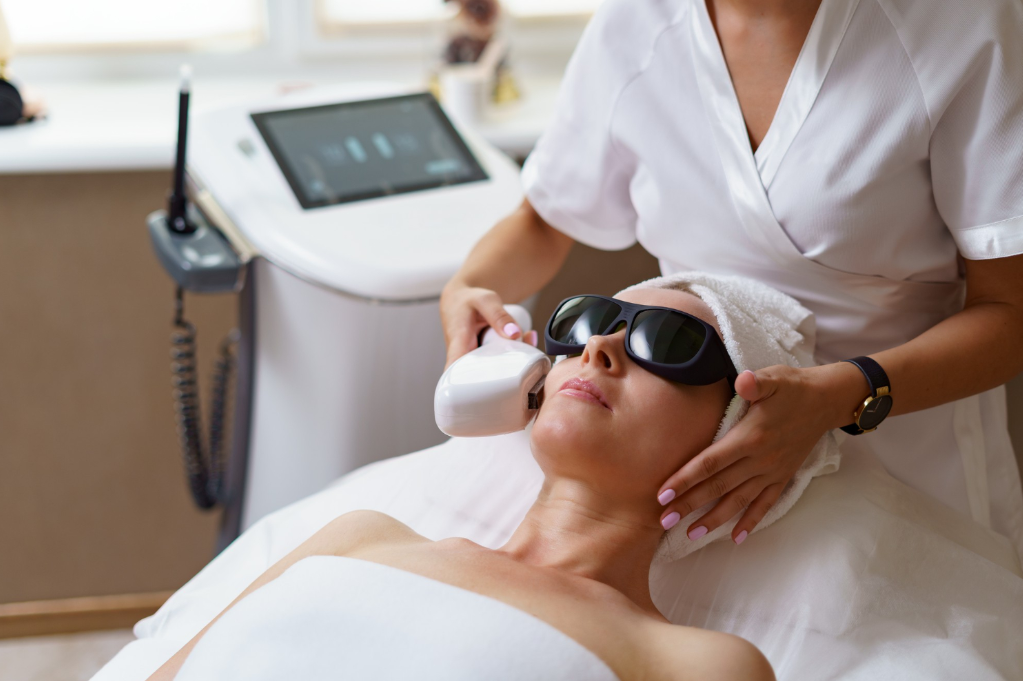
Certain laser and light-based technologies target pigment within the skin. They may be considered in carefully selected pigmentation cases.
However, melasma is more complex than isolated sunspots. Some laser treatments can aggravate pigmentation, particularly when the skin is prone to inflammation or excess melanin production.
Treatment selection should therefore be based on a detailed assessment rather than assuming that stronger or more intensive procedures will provide better results.
Medical-Grade Skincare
Medical-grade skincare may form an important part of a personalised melasma management plan.
Depending on individual needs, a practitioner may recommend products that support skin renewal, improve the appearance of discolouration, and maintain the skin barrier.
Consistent use over time is important because melasma generally responds gradually rather than disappearing immediately.
How Does Melasma Treatment Work?
Identifying the Type of Pigmentation
Melasma can involve different layers of the skin. Some pigmentation is concentrated closer to the surface, while other forms extend deeper.
Understanding the distribution and depth of pigmentation can help determine which treatments may be appropriate.
Reducing Excess Pigment Production
Many melasma treatments aim to reduce excessive melanin production or improve the appearance of existing pigmentation.
Topical ingredients may help regulate pigment formation, while selected professional treatments can support skin renewal.
Supporting Skin Renewal
The skin naturally renews itself over time. Certain treatments encourage this process, helping improve the appearance of superficial pigmentation and uneven texture.
The treatment plan should balance skin renewal with maintaining a healthy skin barrier.
Preventing Further Pigmentation
Managing the factors that contribute to melasma is just as important as treating existing patches.
Daily sunscreen, appropriate skincare, and awareness of environmental triggers can help support improvements and reduce the likelihood of pigmentation becoming more pronounced.
Benefits of Professional Melasma Treatment
A More Balanced Skin Tone
One of the main objectives of melasma treatment is to reduce the contrast between darker patches and the surrounding skin.
As pigmentation becomes less noticeable, the complexion may appear more balanced and uniform.
A Brighter-Looking Complexion
Uneven pigmentation can make the skin look dull or tired. Suitable treatments may help improve the appearance of discolouration and create a brighter-looking complexion.
Improved Skin Appearance
Some treatment approaches also support improvements in skin texture and radiance. This can contribute to a more refreshed overall appearance.
Personalised Skincare Recommendations
Professional guidance can help individuals understand which skincare ingredients are suitable for their condition.
A carefully selected routine may be more effective and manageable than using multiple products without understanding their purpose.
Who May Benefit From Melasma Treatment?
Individuals With Persistent Facial Pigmentation
People experiencing brown or grey-brown patches across the cheeks, forehead, or upper lip may benefit from an assessment to determine whether melasma is responsible.
People Experiencing Hormonal Pigmentation
Individuals who notice pigmentation following hormonal changes may wish to explore suitable treatment and management options.
A professional assessment can help distinguish melasma from other forms of pigmentation.
Individuals Seeking a More Even Complexion
People who feel that their skin tone appears uneven may benefit from discussing their concerns and exploring appropriate skincare or aesthetic treatments.
People Looking for Long-Term Pigmentation Management
Melasma can be persistent and may return even after improvement. Individuals who understand the importance of ongoing skincare and sun protection may benefit from a structured management plan.
What to Expect During a Melasma Consultation
Discussing Your Skin Concerns
A consultation begins with understanding your pigmentation concerns, including when the patches appeared and whether their appearance changes over time.
You may also discuss your previous treatments, current skincare products, and any known factors that seem to influence the condition.
Skin Assessment
The practitioner examines the pigmentation and considers its location, distribution, and appearance.
This assessment helps distinguish melasma from other conditions, such as sunspots or post-inflammatory hyperpigmentation.
Developing a Personalised Treatment Plan
Following the assessment, appropriate treatment options can be discussed.
At SLA Medical Clinic, the consultation can help individuals understand the available approaches, expected treatment process, and skincare recommendations that may support their goals.
Melasma Cost In Manchester
What Determines Melasma Treatment Prices?
The Melasma Cost In Manchester can vary depending on the type of treatment recommended, the extent of pigmentation, and the number of sessions required.
Since melasma differs from one individual to another, treatment costs are not necessarily the same for everyone.
Factors that may influence the overall cost include:
- The severity and distribution of pigmentation
- The treatment method selected
- The size of the affected area
- The number of professional treatment sessions
- The skincare products recommended
- The complexity of the personalised treatment plan
- Any maintenance treatments required
Cost of Different Melasma Treatments
Topical skincare treatments may involve ongoing product expenses, while professional procedures may be priced per appointment or according to a treatment package.
Chemical peels, laser-based procedures, and other aesthetic treatments can have different pricing structures depending on the technology, formulation, and treatment requirements.
The most suitable option should be determined by the pigmentation assessment rather than price alone.
Why a Consultation Is Important for Pricing
A personalised consultation helps establish which treatments may be appropriate and how many appointments might be recommended.
At SLA Medical Clinic, individuals can discuss the Melasma Cost In Manchester and receive information about the proposed treatment approach before making a decision.
It is useful to understand the initial treatment price as well as any potential ongoing skincare or maintenance expenses.
How Long Does Melasma Treatment Take to Show Results?
Gradual Improvement
Melasma generally requires patience because pigmentation changes gradually.
Some individuals may notice improvements within several weeks of starting an appropriate skincare routine, while more persistent pigmentation may require several months of management.
The Importance of Consistency
Consistent treatment is important for achieving and maintaining improvements.
Using recommended skincare products regularly and attending planned appointments can help support the overall treatment strategy.
Long-Term Maintenance
Melasma can be recurrent, meaning pigmentation may return after improvement. Continued sun protection and appropriate skincare are important for maintaining a more balanced complexion.
Your practitioner can recommend a maintenance approach based on your individual skin condition.
How to Care for Your Skin After Melasma Treatment
Use Broad-Spectrum Sunscreen
Daily sun protection is one of the most important aspects of melasma management.
A broad-spectrum sunscreen with SPF 30 or higher, preferably SPF 50 for pigmentation-prone skin, helps protect against ultraviolet radiation.
Tinted sunscreens containing iron oxides may offer additional protection against visible light, which can contribute to melasma in some individuals.
Follow Your Recommended Skincare Routine
After professional treatment, follow the skincare instructions provided by your practitioner.
A routine may include gentle cleansing, suitable moisturising, and recommended pigmentation products. The timing for restarting active ingredients depends on the treatment performed.
Maintain Skin Hydration
A well-maintained skin barrier supports overall skin health. Using a suitable moisturiser can help maintain hydration and support the skin’s natural protective function.
Avoid Unnecessary Irritation
Harsh exfoliation and unsuitable skincare products may irritate the skin. Since inflammation can contribute to post-inflammatory pigmentation, choosing gentle products is particularly important.
Continue Long-Term Sun Protection
Sun protection should remain part of your daily routine even after pigmentation improves.
Using sunscreen consistently, seeking shade, and wearing protective clothing can help limit environmental triggers associated with melasma.
Melasma Compared With Other Pigmentation Conditions
Melasma vs Sunspots
Melasma usually appears as larger, symmetrical patches across areas of the face. Sunspots are generally smaller, more clearly defined areas of pigmentation associated with accumulated sun exposure.
Although both involve excess melanin, their causes and treatment approaches can differ.
Melasma vs Post-Inflammatory Hyperpigmentation
Post-inflammatory hyperpigmentation develops after inflammation, such as acne or irritation.
Melasma is more closely associated with hormonal and environmental influences. Identifying the correct condition is important because treatment strategies may differ.
Melasma vs General Uneven Skin Tone
General uneven skin tone can result from several factors, including sun exposure, ageing, acne marks, and changes in skin texture.
Melasma is a specific pigmentation condition that often requires a more targeted and consistent management approach.
Why Choose SLA Medical Clinic for Melasma In Manchester?
Personalised Skin Care
Every individual has different skin characteristics and pigmentation concerns. A personalised approach helps ensure that treatment recommendations reflect the underlying condition and the individual’s goals.
At SLA Medical Clinic, individuals can discuss their concerns and explore suitable options for improving the appearance of melasma.
Treatment Planning Based on Skin Needs
Melasma can be influenced by several factors, so treatment planning should consider more than the visible patches.
Understanding skin type, pigmentation patterns, and lifestyle factors helps guide the selection of appropriate treatment and skincare options.
Guidance on Long-Term Management
Managing melasma involves more than improving existing pigmentation. Maintaining results requires attention to sun protection, suitable skincare, and ongoing management.
Professional guidance can help individuals understand how to maintain their complexion following treatment.
A Focus on Brighter, More Balanced Skin
The aim of melasma care is to improve the appearance of uneven pigmentation while supporting healthy-looking skin.
With an appropriate treatment plan and consistent skincare, individuals can work towards a brighter and more balanced complexion.
Frequently Asked Questions About Melasma In Manchester
What is the main cause of melasma?
Melasma can develop due to a combination of hormonal changes, sun exposure, genetic susceptibility, and environmental influences. These factors can stimulate melanocytes and contribute to excess pigmentation.
Can melasma be treated permanently?
Melasma can be managed and its appearance may improve significantly, but it is often a recurrent condition. Ongoing skincare and sun protection are important for maintaining improvements.
Which treatment is best for melasma?
The most suitable treatment depends on the individual’s skin type, pigmentation depth, and underlying triggers. Options may include topical skincare, carefully selected chemical peels, and certain professional procedures.
How long does melasma take to improve?
Improvement may take several weeks or months, depending on the severity of pigmentation and the treatment approach. Consistency and maintenance are important parts of the process.
Does sunscreen help with melasma?
Yes. Sunscreen helps reduce exposure to ultraviolet radiation, which can trigger or worsen melasma. Broad-spectrum SPF 30 or higher is recommended, with SPF 50 often preferred for pigmentation-prone skin.
Can melasma develop on areas other than the face?
Although melasma most commonly affects the face, it can occasionally appear on other sun-exposed areas, including the neck and forearms.
Is melasma the same as general pigmentation?
No. Melasma is a specific pigmentation condition associated with excess melanin production and several contributing factors. General pigmentation is a broader term that includes sunspots, freckles, and post-inflammatory dark marks.
How much does melasma treatment cost in Manchester?
The Melasma Cost In Manchester depends on the selected treatment, affected area, number of sessions, and individual requirements. A consultation can provide a clearer understanding of the expected costs.
Can melasma return after treatment?
Yes. Melasma may return or become more noticeable following sun exposure, hormonal changes, or other contributing factors. Consistent skincare and sun protection can help manage recurrence.
Is melasma treatment suitable for different skin tones?
Melasma affects people with different skin tones, but treatment selection should account for individual pigmentation characteristics. Some procedures require particular care when treating darker or pigmentation-prone skin.
Book a Melasma Consultation In Manchester
Melasma can make achieving an even-looking complexion challenging, particularly when pigmentation becomes more noticeable following sunlight or hormonal changes. However, modern skincare and aesthetic approaches provide several options for managing this common concern.
Melasma in Manchester offers individuals an opportunity to explore personalised treatments designed to improve the appearance of brown patches, uneven skin tone, and persistent facial pigmentation.
At SLA Medical Clinic, you can discuss your skin concerns, understand suitable treatment options, and learn more about the Melasma Cost In Manchester before deciding on a personalised approach.
With appropriate professional guidance, consistent skincare, and effective sun protection, it is possible to work towards a brighter, healthier-looking, and more balanced complexion.