Cheap sneakers rarely survive a season. Heat, pavement, and the daily mileage of a real commute wear through flimsy soles and synthetic uppers within weeks, and for a long time, that was just accepted as what happens when footwear is cheap.
Shoppers browsing casual shoes in Pakistan seem to be losing patience with that trade-off. The question coming up more often isn’t how many pairs someone can afford. It’s how few they can get away with owning if each one actually holds up.
The Problem with Disposable Fashion
A lot of the damage here isn’t really about fashion at all. It’s climate. Dust, heat, and hours spent walking every day break down footwear that was never built with any of that in mind. A sole splits at the flex point. Stitching along the toe box starts to fray after a few dozen wears. The foam underfoot goes flat well before the upper even looks worn.
Most people respond to this by replacing shoes often and cheaply, since that’s usually the only option a low price point leaves open. A capsule approach asks something different of the buyer up front: spend more per pair, buy far less often, and actually expect the shoe to survive more than a few months of real use.
So what separates a shoe that’s worth that investment from one that isn’t?
The Capsule Criteria
- Aesthetic neutrality. It has to work with tailored trousers and a weekend outfit equally well, without feeling out of place in either setting.
- Does it actually breathe? A shoe that traps heat the moment a summer afternoon hits isn’t built for local weather, no matter how it’s marketed.
- Real structural support underneath, not a flat insole doing the bare minimum and calling it cushioning.
None of these is cheap to build. That’s more or less the point. A shoe that clears all three tends to cost more upfront and less over the course of a year, since it isn’t being replaced every other month.
The Menswear Anchor: Elevating Everyday Casuals
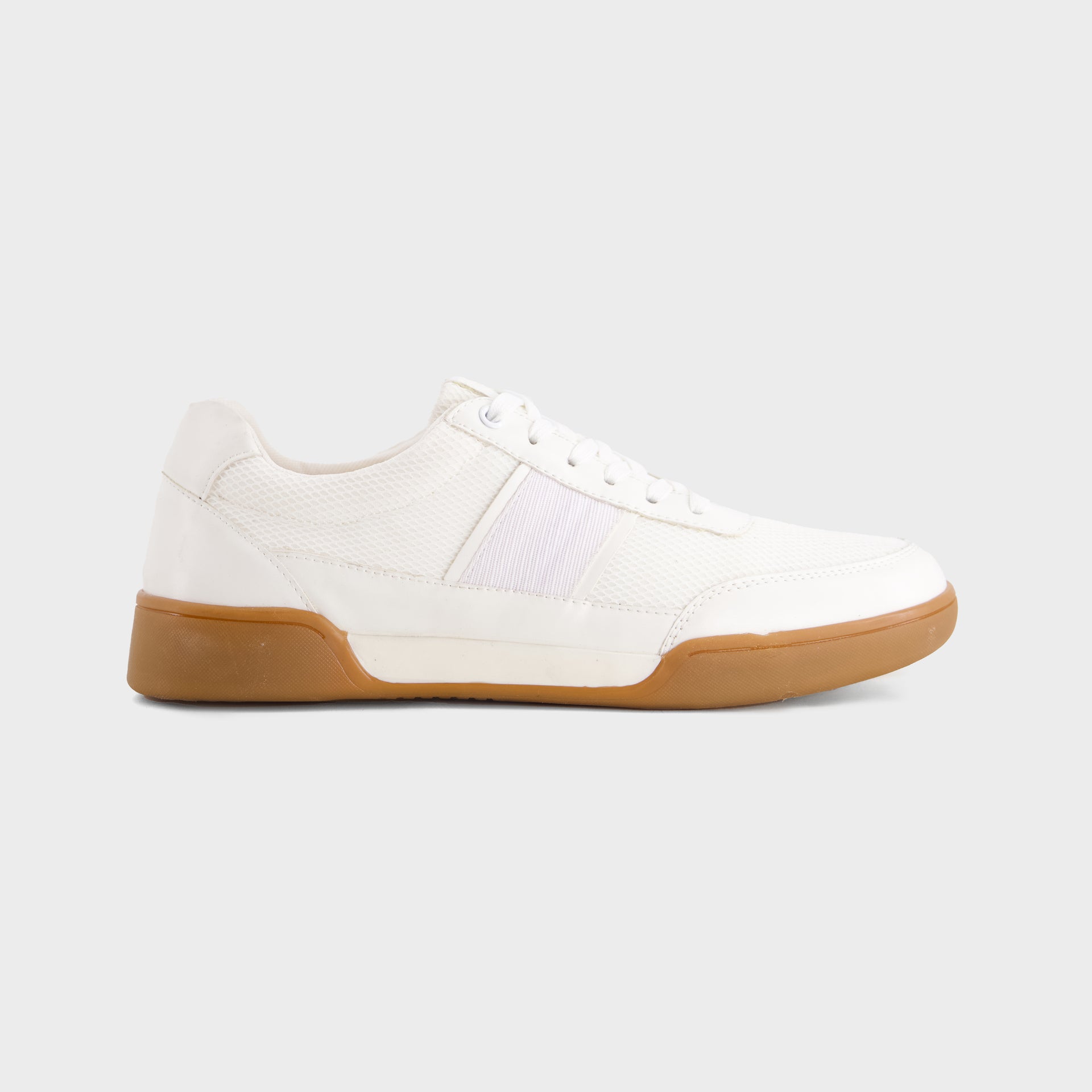
There’s a quiet consolidation happening in men’s footwear. Fewer separate pairs for the office, the gym, and the weekend, more men settling on one sneaker built to move between all three without missing a beat.
Comfortable shoes for men used to mean bulky, built for a gym floor and nothing past it. A shoe made for treadmill mileage rarely looked right under office trousers, so most men just kept two or three pairs around for different parts of the day. That’s changed. Sneakers for men now hold enough of a line to sit under tailored trousers and still support a full day on foot, which used to be a genuine trade-off between comfort and looking put together.
One well-built pair can cover the commute, the workday, and whatever comes after. That’s really the whole shift in a sentence.
The Women’s Wear Pivot: Grounding the Summer Silhouette
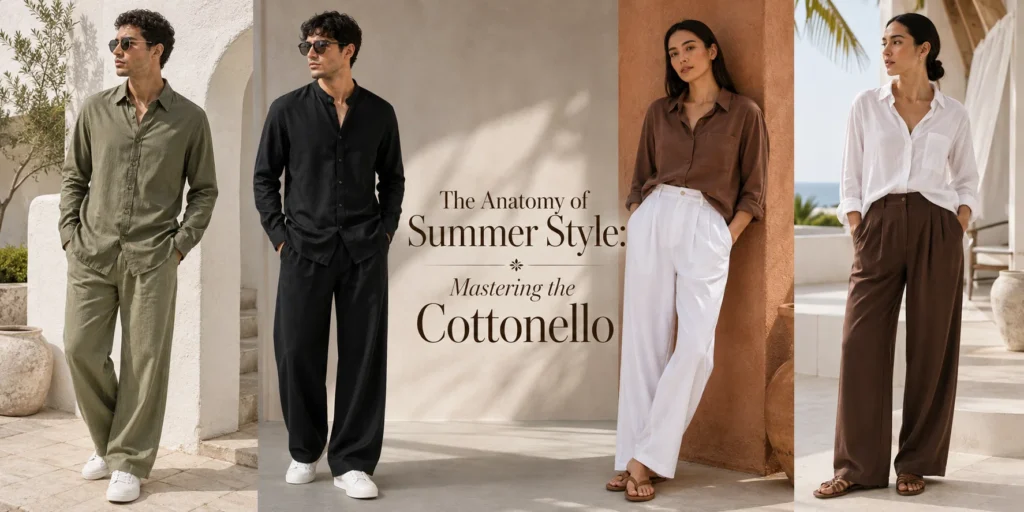
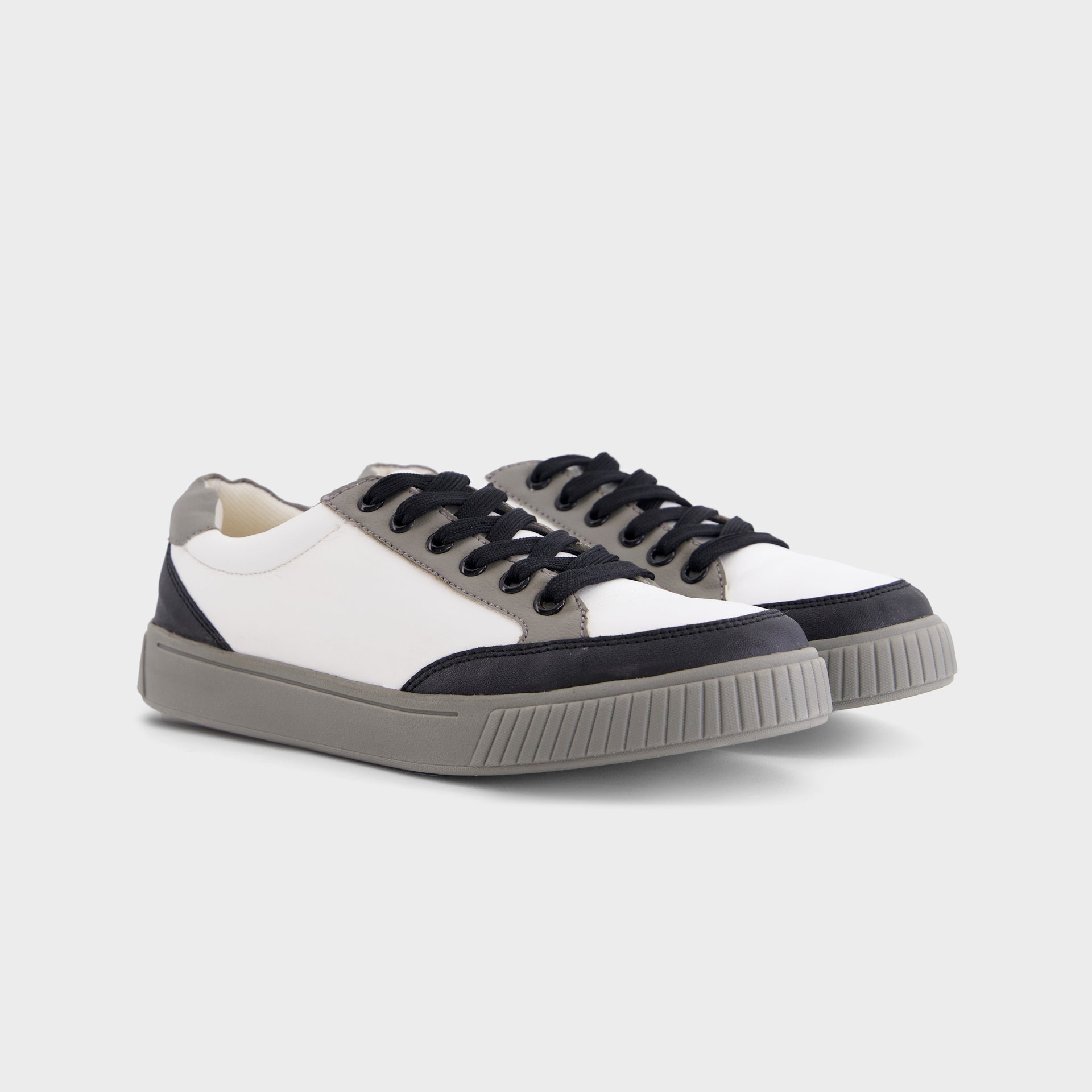
Women’s styling here has a specific problem baked in. A breezy lawn kurta in the morning, a pair of wide-leg linen trousers by evening, sometimes both in the same day. Heels work for one of those. Flats rarely make it through either without some discomfort setting in by mid-afternoon.
Low-profile sneakers shoes have quietly become the answer. Enough weight to ground a flowing outfit, not so much that it adds bulk. Comfortable shoes for women are shifting away from footwear built for a single occasion and toward something meant to survive an entire day without a mid-afternoon shoe change.
A few minimalist labels have leaned into that shift hard, wewear among them, treating a sneaker more like a piece of engineering than an accessory. Worth checking for, whichever brand ends up in the shopping cart.
Signs a Pair Is Actually Built to Last
Forget how it looks on the shelf for a second. A few physical checks say more than the packaging ever will.
- Bend the sole by hand. It should flex at the ball of the foot, not through the arch. Wrong flex point, expect discomfort within days of wearing it.
- Press a thumb into the footbed. If it stays flattened instead of pushing back, the cushioning is already telling you how it’ll feel after a month.
- Stitching near the toe box matters more than people think. Loose threads are usually the first place a cheaply made shoe gives out.
- A shoe built for a cooler climate somewhere else often can’t handle consistent heat and humidity here, regardless of its reviews online.
Final Thoughts: Stepping Away from the Clutter
Cut past the branding, and this isn’t really a complicated idea. Buying fewer, better things tends to cost less over time than buying a lot of cheap ones, and that’s just as true for shoes as it is for almost anything else in a closet.
Two or three pairs, actually worn, actually maintained, beat a drawer full of near-identical sneakers shoes that all wore out around the same time. Next time a pair falls apart, it might be worth skipping the reflex to replace it with something nearly the same. Buying one shoe built to survive the season is usually a better bet than buying three that won’t.