Next-Generation Medicine 2026: Transforming the Future of Healthcare
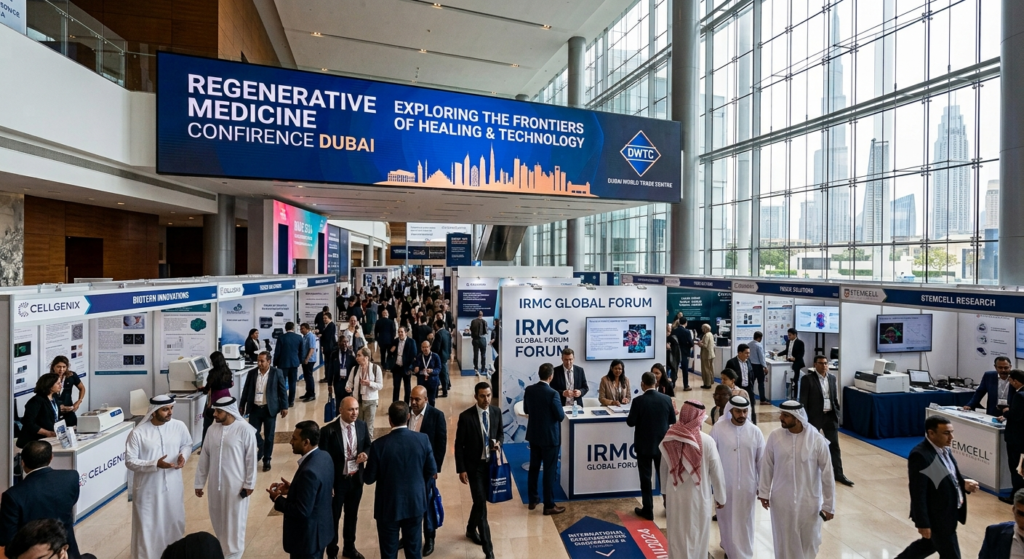
Next-Generation Medicine 2026
Healthcare is entering a new era where scientific innovation, artificial intelligence, precision treatments, and regenerative technologies are reshaping how diseases are prevented, diagnosed, and treated. Next-Generation Medicine 2026 represents the convergence of cutting-edge medical research and advanced technologies that aim to deliver more personalized, effective, and patient-centered care.
From AI-assisted diagnostics and genomic medicine to regenerative therapies and robotic surgery, the healthcare industry is evolving faster than ever before. Medical professionals, researchers, healthcare organizations, and biotechnology companies are working together to develop solutions that improve patient outcomes while making healthcare more efficient and accessible.
This article explores the major trends, innovations, and technologies driving next-generation medicine in 2026 and what they mean for the future of global healthcare.
What Is Next-Generation Medicine?
Next-generation medicine refers to the use of advanced scientific discoveries and emerging technologies to provide highly personalized, predictive, preventive, and precise healthcare. Instead of applying the same treatment to every patient, this modern approach considers individual genetic, environmental, and lifestyle factors to create customized treatment plans.
The goal is not only to treat diseases but also to detect health risks earlier, improve recovery times, reduce complications, and enhance overall quality of life.
Key Trends Shaping Next-Generation Medicine in 2026
Artificial Intelligence in Healthcare
Artificial intelligence (AI) is becoming an essential part of modern medicine. AI-powered systems assist healthcare professionals by analyzing vast amounts of medical data in a fraction of the time required by humans.
Applications include:
- Medical image analysis
- Early disease detection
- Clinical decision support
- Drug discovery
- Predictive analytics
- Virtual health assistants
AI helps improve diagnostic accuracy, streamline workflows, and enable clinicians to make more informed decisions.
Precision Medicine
One of the most important developments in Next-Generation Medicine 2026 is precision medicine.
Unlike traditional healthcare approaches, precision medicine uses genetic information, biomarkers, lifestyle data, and environmental factors to recommend treatments that are tailored to each individual.
Benefits include:
- Improved treatment effectiveness
- Fewer side effects
- Earlier disease detection
- Better management of chronic conditions
- Personalized prevention strategies
This approach is already making a significant impact in oncology, cardiology, neurology, and rare disease management.
Genomics and Personalized Healthcare
Advances in genome sequencing continue to transform healthcare.
Today, genetic testing can identify inherited conditions, predict disease risks, and guide physicians toward the most appropriate treatment options.
Genomic medicine is especially valuable in areas such as:
- Cancer treatment
- Rare genetic disorders
- Pharmacogenomics
- Prenatal screening
- Preventive healthcare
As sequencing technologies become more affordable, personalized healthcare is expected to become increasingly accessible worldwide.
Regenerative Medicine
Regenerative medicine is another major pillar of next-generation healthcare.
Rather than simply managing symptoms, regenerative therapies focus on repairing, replacing, or regenerating damaged tissues and organs.
Key areas include:
Stem Cell Therapy
Stem cells have the ability to develop into different types of cells, offering exciting possibilities for treating conditions involving damaged tissues.
Researchers continue to explore applications in:
- Orthopedics
- Neurology
- Cardiology
- Autoimmune diseases
- Sports medicine
Tissue Engineering
Scientists are developing biological substitutes that restore or improve tissue function.
Innovations include:
- Artificial skin
- Cartilage regeneration
- Bone reconstruction
- Organ scaffolds
Platelet-Rich Plasma (PRP)
PRP therapy continues to gain popularity in sports medicine, orthopedics, and aesthetic medicine by supporting the body’s natural healing process.
Digital Health Technologies
Healthcare delivery is becoming increasingly digital.
Modern digital health solutions include:
- Electronic health records
- Mobile health applications
- Wearable health devices
- Remote patient monitoring
- Telemedicine platforms
These technologies allow patients to stay connected with healthcare providers while enabling continuous monitoring of chronic conditions.
Telemedicine Continues to Grow
Virtual healthcare has become an important part of modern medical services.
Telemedicine enables patients to consult physicians without visiting hospitals for every appointment.
Benefits include:
- Increased accessibility
- Reduced waiting times
- Lower healthcare costs
- Improved patient convenience
- Better chronic disease management
Healthcare providers are expanding telehealth services to improve patient engagement and care continuity.
Robotics in Modern Surgery
Robotic-assisted surgery continues to evolve in 2026.
Advanced robotic systems help surgeons perform complex procedures with greater precision and control.
Advantages include:
- Smaller incisions
- Reduced blood loss
- Faster recovery
- Less postoperative pain
- Improved surgical accuracy
Robotic technology is widely used in:
- Urology
- Gynecology
- General surgery
- Cardiac surgery
- Orthopedics
Wearable Medical Devices
Wearable technology is becoming an essential tool for preventive healthcare.
Smart devices now monitor:
- Heart rate
- Blood oxygen
- Sleep quality
- Blood pressure
- Physical activity
- Glucose levels
Real-time health monitoring allows physicians to detect abnormalities earlier and intervene before conditions become more serious.
Big Data in Healthcare
Healthcare organizations generate enormous amounts of clinical data every day.
Big data analytics helps transform this information into actionable insights.
Applications include:
- Disease prediction
- Hospital resource management
- Population health analysis
- Clinical research
- Treatment optimization
The integration of AI and big data supports evidence-based decision-making and improves healthcare outcomes.
Biotechnology Innovation
Biotechnology continues to accelerate medical discoveries.
Leading biotech companies are developing:
- Advanced vaccines
- Gene therapies
- Novel biologic drugs
- Cellular therapies
- Precision diagnostics
These innovations have the potential to treat diseases previously considered untreatable.
Gene Editing Technologies
Gene editing is among the most exciting developments in next-generation medicine.
Technologies such as CRISPR are allowing researchers to modify genetic material with unprecedented precision.
Potential future applications include:
- Treating inherited disorders
- Improving cancer therapies
- Preventing genetic diseases
- Developing personalized treatments
Although research continues, gene editing is expected to play a significant role in future healthcare.
The Rise of Preventive Medicine
Healthcare is shifting from reactive treatment toward prevention.
Preventive medicine emphasizes:
- Early screening
- Risk assessment
- Lifestyle interventions
- Vaccination
- Nutrition
- Regular health monitoring
This proactive approach helps reduce healthcare costs while improving long-term patient outcomes.
Smart Hospitals
Hospitals are becoming increasingly connected through advanced technologies.
Smart hospitals integrate:
- Artificial intelligence
- Internet of Things (IoT)
- Robotics
- Automation
- Digital patient records
- Predictive maintenance systems
These innovations improve operational efficiency while enhancing patient safety and care quality.
Challenges Facing Next-Generation Medicine
Despite rapid progress, several challenges remain.
Data Privacy
Healthcare organizations must protect sensitive patient information while enabling secure data sharing.
Regulatory Compliance
New medical technologies require rigorous testing and approval to ensure patient safety.
Accessibility
Advanced treatments should become accessible to patients across different regions and economic backgrounds.
Cost Management
Emerging technologies often involve significant investment. Healthcare systems must balance innovation with affordability.
Workforce Training
Medical professionals need ongoing education to effectively adopt new technologies and treatment approaches.
The Role of Global Collaboration
Medical innovation thrives through collaboration between:
- Universities
- Hospitals
- Research institutions
- Biotechnology companies
- Government agencies
- Healthcare organizations
International conferences and research partnerships accelerate scientific discoveries and promote knowledge exchange.
Dubai has become an important destination for healthcare innovation, attracting global experts through medical conferences, investment opportunities, and research initiatives focused on next-generation medicine.
What the Future Holds Beyond 2026
The future of medicine is expected to become even more personalized, data-driven, and technology-enabled. Emerging developments may include:
- AI-powered clinical decision-making on a larger scale
- Wider adoption of digital twins to simulate patient outcomes
- More advanced regenerative therapies for tissue and organ repair
- Expanded use of wearable and implantable health monitoring devices
- Faster development of personalized medicines using genomic insights
- Greater integration of robotics and automation in healthcare facilities
As research continues, these innovations have the potential to improve survival rates, enhance quality of life, and make healthcare more efficient and accessible.
Conclusion
Next-Generation Medicine 2026 marks an exciting phase in the evolution of healthcare, where innovation, technology, and personalized care work together to improve patient outcomes. Advances in artificial intelligence, precision medicine, genomics, regenerative therapies, biotechnology, robotics, and digital health are transforming the way healthcare is delivered around the world.
While challenges related to accessibility, cost, regulation, and data security remain, ongoing collaboration between researchers, healthcare providers, policymakers, and technology companies continues to drive meaningful progress. As these innovations mature, next-generation medicine promises a future where healthcare is more predictive, preventive, precise, and patient-focused—benefiting individuals and communities alike.