Imagine standing in the middle of a street where every recognizable landmark has been erased. No school down the block, no local grocery store, not even a working water tap. For millions of families, this is not a bad dream. It is the raw reality of daily life. The struggle to secure basic human necessities turns every single morning into a fight for survival.
When homes disappear and infrastructure crumbles, the human spirit is tested to its absolute limit. Yet, even in the deepest pockets of destruction, hope manages to find a quiet way back in. It arrives when trucks navigate dangerous roads to drop off fresh flour, or when clean water flows into temporary shelters. Keeping that hope alive requires an unbroken chain of human compassion.
The Reality Facing Displaced Families Every Day
The sheer volume of human suffering in blockaded zones leaves very little room for delay. Families find themselves squeezed into crowded tent cities or damaged concrete shells with virtually no privacy or sanitation. Clean drinking water remains as precious as gold, and children regularly fall ill from preventable illnesses brought on by contaminated groundwater.
- Severe Food Shortages: Basic ingredients like flour, lentils, and cooking oil have become ridiculously expensive or impossible to find in local markets.
- Medical System Strain: Hospitals operate far beyond their capacity, constantly running low on basic bandages, antibiotics, and surgical fuel.
- Education Interrupted: Classrooms have ceased functioning, leaving an entire generation of children out of school and exposed to constant trauma.
- Shelter Scarcity: Simple tarpaulins and makeshift wooden frames are often the only things separating young kids from blistering heat or pouring rain.
Navigating these immense hurdles requires more than just goodwill. It demands a fast, brave, and deeply organized network on the ground.
How Ground Networks Deliver Direct Life-Saving Support
When crises reach this magnitude, delivering direct Palestine aid becomes a matter of life and death. Relief teams work around the clock, battling blocked pathways, fuel shortages, and extreme logistical delays just to get basic supplies across borders. They do not have the luxury of waiting for perfect conditions; they adapt on the fly.
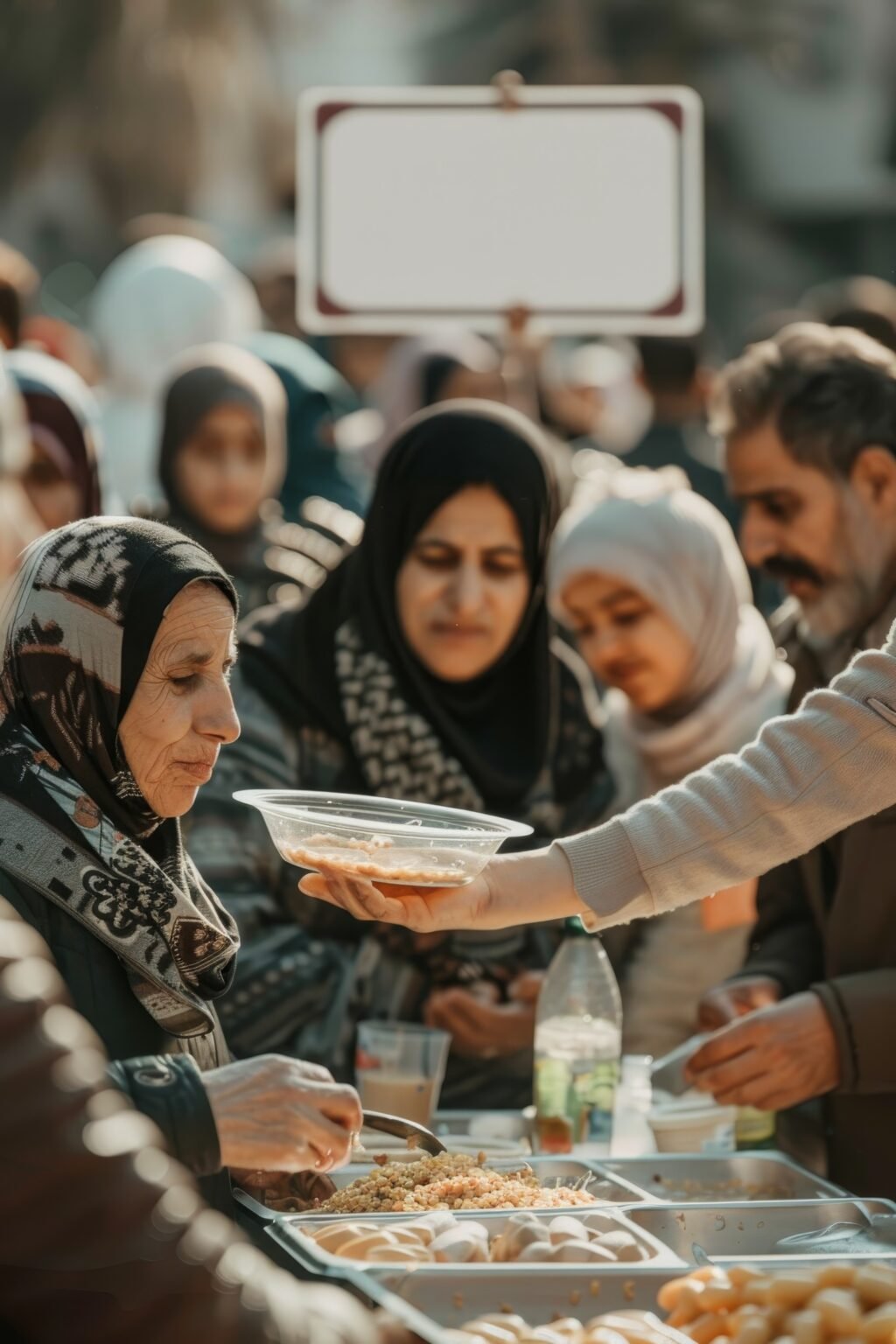
Aid workers set up mobile kitchens that cook thousands of hot meals every single morning. They drive water tankers into informal camps to fill whatever containers people hold out.
These interventions are designed to preserve basic human dignity. Giving a mother a box of hygiene items or giving a father a parcel of dry food lets them know that the rest of the world has not completely turned its back on them.
The Critical Impact Of Specialized Faith Based Relief
Humanitarian logistics require specialized experience, especially when operating in complex conflict regions. This is where the long-term expertise of islamic relief gaza proves absolutely invaluable. Established field teams possess the local trust and operational roots needed to manage massive distribution channels when standard systems collapse.
These relief operations go far beyond simple short-term hand-outs. They coordinate with international public health agencies to distribute targeted nutritional supplements to infants suffering from severe acute malnutrition.
They provide vital financial aid directly to medical workers, ensuring that community clinics stay open to treat injured civilians. By maintaining an unwavering focus on vulnerable mothers, orphans, and elderly residents, these specialized field missions ensure that aid reaches the people who need it most urgently.
Looking At The Numbers Behind Modern Humanitarian Work
Recent 2026 data from international tracking agencies paints a sobering picture of current needs. Over eighty percent of the local population relies entirely on daily humanitarian distributions just to meet their basic caloric requirements. Without steady aid pipelines, food insecurity metrics skyrocket within days.
| Essential Need | Current Status on Ground | Primary Relief Action |
| Clean Water | Severe shortage due to damaged pipes | Emergency water trucking & purification tablets |
| Nutritional Food | Markets depleted, soaring inflation | Hot meal kitchens & bulk flour distribution |
| Emergency Shelter | Millions living in makeshift tents | Weatherproof tarps, bedding kits, and tents |
Every single truck that successfully enters a high-need zone represents thousands of lives protected from starvation and disease. Sustaining this momentum requires consistent financial backing from global communities who understand that basic human survival is a fundamental right.
The Long Journey Toward Rebuilding Lives
Emergency relief is only the first phase of a very long healing process. Once immediate hunger and medical threats are stabilized, the focus must shift toward long-term recovery. Children need safe, temporary learning spaces so they can process their trauma and regain a sense of normalcy.
When donors choose to support Palestine aid or back the ground operations of Islamic Relief Gaza, they are doing much more than supplying food packages. They are funding the foundation for future recovery.
They are ensuring that when the dust finally settles, families have the physical strength, health, and psychological resilience needed to rebuild their lives from the ground up.
Frequently Asked Questions
How do humanitarian teams ensure aid reaches civilians in active conflict zones?
Field teams work closely with global monitoring bodies and local community leaders to map out safe distribution routes. They utilize vetted local staff who know the terrain intimately, enabling them to safely move supplies into high-density displacement camps.
What items are included in a standard family emergency relief package?
A typical survival package contains high-calorie dry foods like rice, lentils, canned beans, and flour, alongside clean water containers, hygiene items, soap, and durable plastic tarpaulins for shelter.
Can individual donors really make a difference during such a massive crisis?
Yes, absolutely. Because field teams purchase bulk supplies locally or through specialized regional hubs, even small individual donations quickly translate into tangible items like hot meals, clean water gallons, or life-saving medical bandages.
How are orphan care programs managed during ongoing instability?
Relief networks provide direct cash assistance to surviving extended family members or guardians. This allows relatives to buy food, clothes, and medicine for the child, keeping them safe within their own community rather than in an institution.
What happens to medical aid when local power grids are completely offline?
Field operations prioritize delivering fuel directly to hospital generators while supplying solar-powered medical equipment and basic surgical kits to keep emergency rooms functioning.