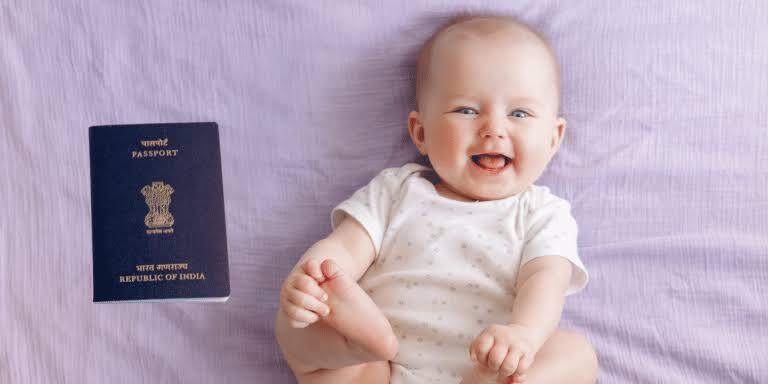
Do infants require a passport? Yes — and the requirements behind that answer are worth understanding in full, since they explain both why the rule exists and what it actually involves for parents.
Why There’s No Age Exception
International travel documentation isn’t based on age — it’s based on identity and citizenship verification, which applies the moment a person is born, not at some later age threshold. This is why do babies need passports has such a clear-cut answer: a passport confirms citizenship and identity for border control purposes, and a baby crossing an international border needs that confirmation exactly as much as an adult does.
The Citizenship Requirement
Before anything else, a passport application requires proof of U.S. citizenship. For an infant, this is established through a certified birth certificate — not a hospital-issued souvenir copy, but an official certified copy from the state or local vital records office. This document is the foundation the entire application depends on.
The Parental Consent Requirement
This is one of the most distinctive requirements for a child’s passport, and it doesn’t apply to adult applications at all. Because passports for minors can be misused in custody disputes or trafficking situations, the State Department requires evidence that both parents (or legal guardians) consent to the child receiving a passport. In practice, this means:
- Both parents appear in person at the application appointment, or
- The absent parent provides notarized consent using Form DS-3053, along with a copy of their photo ID.
If a parent can’t be reached, or refuses consent, a different process (involving Form DS-5525) addresses that specific situation, though it typically requires additional documentation and can extend the timeline.
The In-Person Requirement
Every child passport application must be submitted in person — there’s no mail-in option, even for renewals. This applies uniformly regardless of how young the applicant is, since the requirement is tied to age (under 16), not to whether it’s a first application or a renewal.
The Photo Requirement
A passport photo has to meet specific technical standards regardless of the applicant’s age, but infants present unique challenges: no supporting hand visible in frame, no pacifier, no toy, and open eyes if possible against a plain background. This requirement exists because passport photos are used for identity verification, which means the photo needs to clearly show the individual without props or assistance, however young they are.
The Validity Period Requirement
Child passports (covering anyone under 16) are only valid for 5 years, compared to 10 years for adults. This shorter window reflects how much a child’s appearance changes in that time — a 5-year-old passport photo of an infant won’t resemble that same child at age 4 or 5, which is why the shorter validity period exists specifically for this age group.
Does Newborn Need Passport Processing Time Factored In?
Yes — understanding the requirement isn’t enough on its own; it’s worth planning around realistic processing timelines too. Routine processing runs 6–8 weeks, expedited service cuts that to 2–3 weeks for an additional fee, and emergency processing (same-day to a few business days) is reserved for genuinely urgent travel.
Where to Learn the Full Application Process
For a complete breakdown of how to get passport for newborn, including every document and step involved, this guide on infant passport requirements is worth reviewing before you begin.
Bottom Line
The requirements for an infant’s passport exist for specific reasons: citizenship verification applies at any age, parental consent protects against misuse involving minors, and the shorter validity period accounts for how quickly children change in appearance. Understanding why these rules exist makes the process feel less arbitrary and easier to plan around.