The packaging surrounding a fragrance does more than protect a glass bottle. It can influence how a product is perceived, stored, transported, displayed and remembered. For perfume brands, retailers and independent fragrance makers, selecting the right perfume packaging boxes involves balancing appearance, durability, sustainability and cost.
Modern fragrance packaging has also become more diverse. Traditional folding cartons remain widely used, while rigid presentation boxes, recyclable board, textured papers, magnetic closures and bespoke inserts offer additional possibilities. The right choice depends on the fragrance itself, the target customer, distribution method and overall brand identity.
For businesses operating in the UK, understanding materials and customisation options is particularly useful because packaging needs to withstand shipping and retail handling while meeting growing expectations around responsible material choices.
Choosing the Right Material for Perfume Packaging Boxes
Material selection is one of the most important decisions when developing a perfume packaging box. A package needs enough structural strength to protect a potentially fragile glass bottle while providing a suitable surface for printing and finishing.
Common materials include:
Folding Carton Board
Folding cartons are a practical choice for many fragrance products. They can be manufactured in different board weights and printed with detailed graphics, colours, product information and branding.
They are particularly suitable for:
- Everyday retail fragrances
- Small and medium-sized perfume bottles
- Promotional fragrance collections
- E-commerce products requiring lightweight packaging
- Seasonal or limited-edition ranges
Folding cartons can also be designed with internal tabs or separate inserts to reduce bottle movement during handling.
Rigid Board
Rigid packaging uses thicker board to create a stronger, more substantial presentation. It is commonly associated with premium or luxury fragrances where the unboxing experience is part of the product presentation.
A rigid packaging box for perfume can incorporate a removable lid, drawer construction, magnetic closure or lift-off design. Although rigid boxes generally require more material and production planning than standard cartons, they can provide greater perceived value.
Recycled and FSC-Certified Papers and Boards
Sustainability is increasingly influencing perfume packaging boxes decisions. Recycled board and responsibly sourced paper can help brands reduce reliance on virgin materials.
However, sustainability should not be judged solely by whether a package contains recycled content. Brands should consider the complete packaging system, including:
- Material origin
- Recyclability
- Number of components
- Printing and finishing processes
- Protective inserts
- Transportation efficiency
- End-of-life disposal
This broader approach can lead to more meaningful sustainable perfume packaging decisions.
Perfume Box Packaging Designs That Balance Protection and Presentation
A successful package needs to perform two jobs simultaneously: protect the fragrance and communicate its identity.
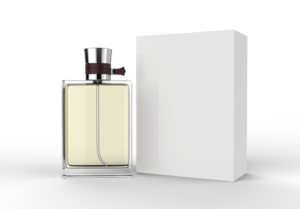
The structural design should be developed around the dimensions and weight of the bottle. A package that is unnecessarily large can increase material usage and shipping volume, while a package that is too tight may provide inadequate protection.
Popular designs include:
Tuck-end cartons: These are straightforward and efficient, making them suitable for many retail fragrances.
Sleeve and tray boxes: A sleeve surrounding a tray creates a more premium presentation without necessarily requiring a complex opening mechanism.
Drawer-style boxes: These provide a distinctive opening experience and can work well for gift sets and premium products.
Magnetic rigid boxes: Magnetic closures can create a sophisticated presentation and are often used for luxury fragrance collections.
Window boxes: A transparent window allows customers to see the product without opening the packaging, although the material choice should be assessed carefully from a recyclability perspective.
The internal structure matters just as much as the exterior. Inserts made from board, paper moulding or other suitable materials can hold a perfume packaging boxes bottle securely and prevent unnecessary movement.
Custom Options for Perfume Boxes UK Brands
Customisation allows packaging to communicate brand positioning while maintaining the required structural performance. For perfume boxes UK businesses, custom packaging can be developed around a particular bottle size, product range or retail environment.
Useful custom options include:
Custom Dimensions
Standard packaging dimensions are not always appropriate for uniquely shaped perfume bottles. Custom sizing can reduce wasted space and help improve protection during transportation.
Printed Branding
Packaging can incorporate logos, product names, ingredients, directions, regulatory information and other relevant details. Consistent typography and visual hierarchy can help customers quickly identify the fragrance and understand important information.
Surface Finishes
Different finishes can alter both appearance and tactile experience. Depending on the desired result, options may include:
- Matte or gloss lamination
- Embossing and debossing
- Foil details
- Spot finishes
- Textured papers
- Special-effect printing
These techniques should be used selectively. Excessive finishing can increase production complexity and may conflict with sustainability objectives.
Custom Inserts
An insert can prevent a glass bottle from moving inside the box. It can also create space for fragrance cards, information leaflets or complementary products.
For gift sets, custom inserts become particularly valuable because several items may need to remain separated and securely positioned.
Sustainable Perfume Packaging: Practical Considerations
Sustainability has moved from being a niche perfume packaging boxes concern to an important consideration across the retail industry. Consumers increasingly notice packaging waste, unnecessary layers and difficult-to-recycle components.
One practical strategy is to simplify the packaging structure wherever possible. A carefully engineered carton may provide sufficient protection without requiring multiple layers of plastic or oversized components.
Brands considering perfume packaging boxes should evaluate:
- Material efficiency – Use an appropriate board weight rather than automatically choosing the heaviest material.
- Recyclability – Consider whether the finished package can realistically enter established recycling streams.
- Component reduction – Avoid unnecessary packaging layers and decorative elements.
- Responsible sourcing – Investigate certified or recycled paper and board options.
- Transport efficiency – Compact packaging can reduce storage and shipping requirements.
- Durability – Sustainable packaging still needs to protect the product effectively.
A lighter package is not automatically a more sustainable package if it results in damaged bottles and product waste. Protection and environmental performance therefore need to be considered together.
Packaging specialists such as Sky Custom Box can be useful examples of how custom box production can be approached around product dimensions, materials and presentation requirements rather than relying exclusively on generic packaging formats.
Common Packaging Challenges and How to Address Them
Developing perfume packaging boxes often involves several practical challenges.
Fragile Glass Bottles
Perfume bottles can be heavy and vulnerable to impact. The solution is usually a combination of appropriate board strength, accurate dimensions and a secure internal insert.
Bottles of Different Sizes
Brands with several fragrance sizes may struggle to maintain consistent packaging. Creating a family of related box structures with different dimensions can preserve visual consistency while accommodating different bottles.
Excessive Packaging
Luxury presentation can sometimes lead to unnecessary layers. Before adding sleeves, ribbons, plastic components or multiple inserts, consider whether each element provides a functional or meaningful benefit.
Printing and Colour Consistency
Brand colours may appear different across substrates and finishing methods. Physical samples and production proofs can help identify issues before a large manufacturing run.
E-Commerce Damage
Retail shelf packaging and shipping packaging have different requirements. A visually attractive packaging perfume box may still require additional protection when transported through parcel networks.
Testing packaging through realistic handling conditions can reveal weaknesses before products reach customers.
How to Select a Suitable Perfume Box
There is no universal the perfume box design that works for every fragrance. The selection should begin with the product and its distribution requirements.
Consider these questions:
- What are the bottle’s exact dimensions and weight?
- Will the product be sold in physical stores, online or both?
- Does the package need an internal insert?
- Is the fragrance positioned as everyday, premium or luxury?
- What sustainability objectives does the brand have?
- How much printing and finishing is genuinely necessary?
- Will the package need to accommodate additional items?
- How will the finished packaging be transported and stored?
Obtaining prototypes before committing to production can be particularly valuable. A sample allows brands to assess fit, opening experience, print quality, structural strength and overall appearance.
Conclusion
A well-designed perfume box packaging solution combines protection, presentation and practicality. Material choice affects strength and environmental performance, while structural design determines how effectively the package protects the bottle and how customers interact with it.
For brands developing perfume box packaging UK solutions, custom dimensions, recyclable materials, appropriate inserts and carefully selected finishes can create packaging that supports both product protection and brand communication.
Read More: