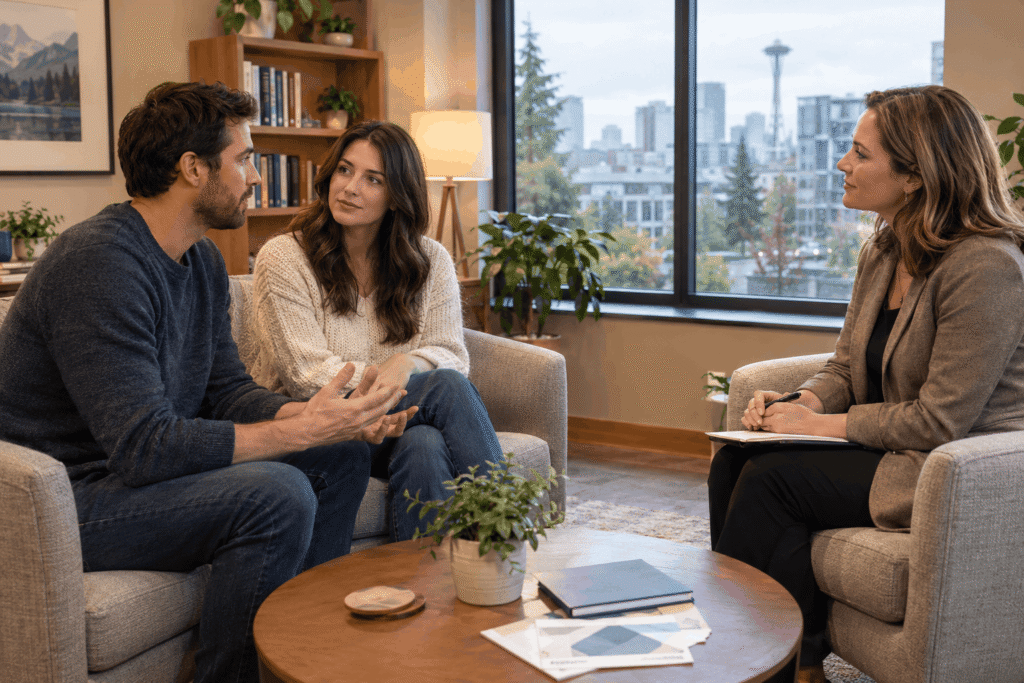
It often starts small. A couple keeps having the same argument about chores, or a single professional keeps meeting people who seem great on an app but fade after two dates. Nothing feels like a crisis, but something isn’t working.
That’s where relationship coaching in Seattle, WA has found a growing audience. More people are looking for practical, forward-focused support to help them communicate better, date with more intention, and build stronger connections. This article explains what relationship coaching is, how it differs from therapy, and who tends to benefit from it.
Why Connection Feels Harder Than It Should
Seattle has a reputation that locals know well. The so-called “Seattle Freeze” describes a culture that is polite and friendly on the surface but slow to form deeper bonds. Many newcomers say it takes years to build a real social circle.
Add long work hours, a heavy tech presence, and a dating scene that runs mostly through apps, and the challenge becomes clear. People are surrounded by others but often feel isolated.
Couples face their own pressures. High living costs, demanding careers, and remote work that blurs home and office can strain even solid relationships. Small frustrations build when there’s little time to talk them through.
What Relationship Coaching Actually Involves
Relationship coaching is a structured, goal-oriented process. A coach helps individuals or couples identify what they want from their relationships, spot patterns that get in the way, and build practical skills to move forward.
Coaching sessions tend to focus on the present and the future. Instead of digging deeply into childhood experiences, a coach might ask, “What would a better week together look like, and what’s one thing you can change to get there?”
Common topics include:
- Communication habits and conflict styles
- Rebuilding trust after a rough patch
- Setting boundaries and expectations
- Dating confidence and partner selection
- Navigating major life changes as a couple
Sessions may happen in person, by video, or through a mix of both. Many people in Seattle prefer virtual sessions because they fit more easily around commutes and busy schedules.
Coaching vs. Therapy: An Important Difference
People often confuse coaching with couples counseling or therapy, but they serve different purposes. Therapists are licensed clinicians who can diagnose and treat mental health conditions, trauma, and deeper emotional issues.
Coaches, on the other hand, work with people who are generally functioning well but want to improve a specific area of life. Coaching is closer to skill-building than to treatment.
This distinction matters. If someone is dealing with abuse, serious depression, addiction, or unresolved trauma, a licensed therapist is the right first step. Good coaches recognize these limits and refer clients when needed.
The Real Benefits People Report
One of the most common benefits is clearer communication. Many couples realize they’ve been arguing about the wrong thing. The fight over dishes is really about feeling unappreciated. A coach helps partners name the real issue and talk about it without blame.
Another benefit is accountability. It’s easy to agree to “communicate better” and then slip back into old habits by Thursday. Regular sessions create a rhythm that keeps people focused on the changes they said they wanted.
Self-awareness is a quieter but powerful outcome. Singles often discover they’re drawn to the same type of partner over and over, even when it doesn’t work. Seeing that pattern clearly is often the first real step toward choosing differently.
Finally, coaching offers a neutral space. Friends and family mean well, but they usually take sides. A coach listens without a personal stake and helps people see their situation more objectively.
The takeaway: coaching works best when someone wants change and is willing to practice new habits between sessions.
Where Dating Coaching Fits In
Not everyone seeking help is in a relationship. A Dating Coach in Seattle, WA typically works with singles who feel stuck, burned out, or unsure why their dating life isn’t leading anywhere.
This type of coaching might cover profile writing, first-date conversation, reading interest levels, or handling rejection without losing confidence. It can also help people get clear on their values, so they stop chasing chemistry that doesn’t match what they actually want long term.
For people who moved to the city for work and haven’t built a wide social network, this guidance can be especially helpful. Dating becomes less about luck and more about intention.
Real-World Situations Where Coaching Helps
Consider a couple in their early thirties, both working in tech. They love each other but barely talk beyond logistics. Every conversation turns into a to-do list. Through coaching, they learn to set aside short, phone-free check-ins and practice listening without jumping to solutions. Within a few months, they describe feeling like a team again.
Or think about a woman in her late twenties who recently moved from the Midwest. She’s been on dozens of first dates but rarely gets to a third. A coach helps her notice that she tends to over-share early out of nervousness. With small adjustments, her dates start to feel more relaxed and balanced.
Then there’s a man in his forties, recently divorced, re-entering the dating world for the first time in fifteen years. Apps feel foreign, and he isn’t sure what he wants. Coaching gives him space to reflect on his last relationship before jumping into the next one.
These scenarios aren’t dramatic. That’s the point. Most people who seek coaching are facing ordinary challenges that simply feel easier with guidance.
How to Choose the Right Coach
Relationship coaching isn’t a licensed profession in most states, so the quality of coaches can vary widely. That makes research important.
A few things worth checking include:
- Training or certification from a recognized coaching program
- Clear explanation of their approach and session format
- Experience with your specific situation, such as couples, singles, or LGBTQ+ relationships
- Willingness to refer you to a therapist if needed
- Transparent pricing and no pressure to commit to long packages
A free introductory call is common and can reveal a lot. Pay attention to whether you feel heard and whether the coach asks thoughtful questions rather than offering quick fixes.
Some local practices, such as Core Growth Wellness, offer both coaching and therapeutic support, which can make it easier to shift approaches if deeper issues come up along the way. Whatever option you consider, comfort and fit matter more than credentials alone.
Final Thoughts
Relationships take work, and in a city where connection can feel slow and screens fill much of the day, a little outside support can go a long way. Coaching offers a practical, goal-focused way to improve communication, build dating confidence, and strengthen partnerships.
If you’re curious, a good next step is to write down one or two specific things you’d like to change. Having that clarity makes it much easier to find a coach who can actually help.
Frequently Asked Questions
What is the difference between a relationship coach and a couples therapist?
A couples therapist is a licensed mental health professional who can treat emotional and psychological issues. A relationship coach focuses on skills, goals, and practical change, usually for people who are already functioning well.
How much does relationship coaching cost in Seattle?
Rates vary based on experience and session length. In Seattle, many coaches charge roughly $100 to $250 per session, and some offer package pricing for multiple sessions.
Can I see a relationship coach on my own?
Yes. Many people work with a coach individually to improve communication, understand their patterns, or prepare for dating. Your partner doesn’t need to attend for coaching to be useful.
When should someone look for a Dating Coach in Seattle, WA?
People often look for a dating coach when they feel stuck in repeating patterns, experience app burnout, or struggle to move past early dates. It can also help after a breakup or divorce.