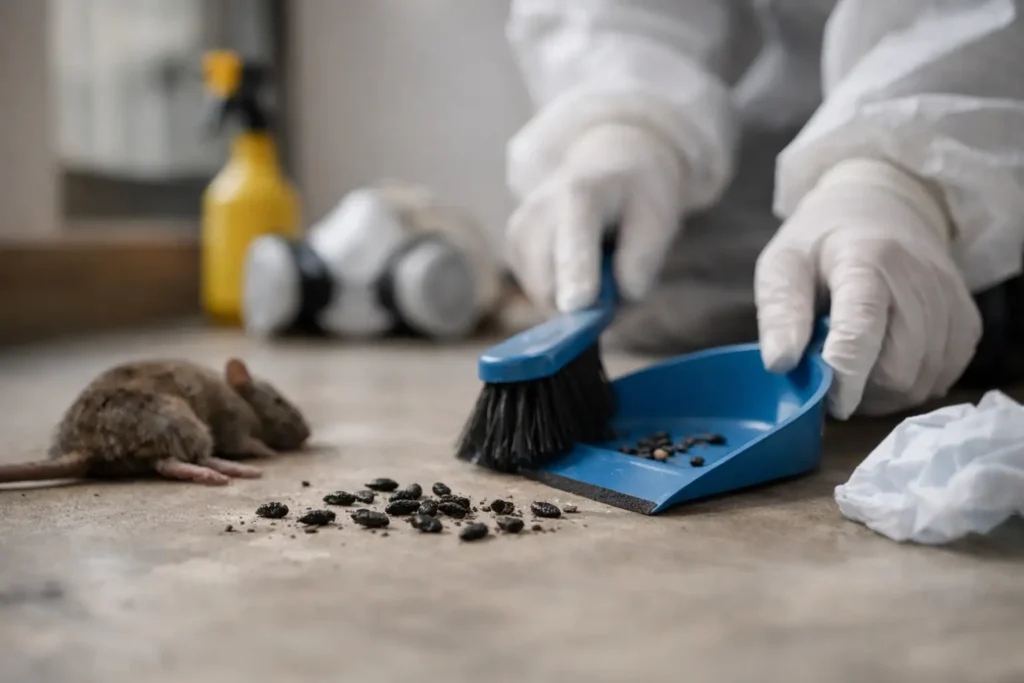
Seeing rodent poop in your home or workplace may be disconcerting, but it is much more than just a hassle. The presence of rodent feces indicates an infestation, but it can also pose a serious health hazard to you or anyone else that comes into contact with them. When mice or rats enter a building, they almost always bring with them a variety of bacteria, viruses, and other parasites that can contaminate food, surfaces, and indoor air quality. If contaminated areas are not properly cleaned, they may contaminate the environment with harmful pathogens and increase the risk of disease.
Rodent Droppings Can Harbor Dangerous Diseases
Many species of rodent feces are capable of transmitting a variety of pathogenic agents that can cause severe illness in people. Some examples of diseases that may be transmitted through direct contact with rodent droppings, urine, or saliva. Even dried rodent feces can pose a risk, as certain pathogenic microbes can survive in them for extended time periods. Individuals who unknowingly touch contaminated surfaces and then touch their eyes, nose, or mouth are at a higher risk for contracting infections and illnesses from contact with rodent droppings. The potential for getting sick from rodent droppings is greatly increased when the rodent infestation is larger and longer standing.
Improper Cleanup Can Spread Contaminants Into the Air
The most common mistake individuals may make when cleaning up after a rodent infestation is to either sweep or vacuum their droppings. Doing so may disturb the dry droppings and allow for small particles that can become airborne into the air to be inhaled. Any particles that become airborne will carry a variety of contaminants, such as bacteria, viruses, and allergens, to add to the health risk of the person. Once they are in the air, they can be transferred throughout the property and find a home far away from where the initial contamination happened. The safest way to clean up and dispose of rodent droppings is to soak the droppings in a disinfectant solution so that there is not a lot of dust created, which allows for airborne particles. Properly following cleaning procedures will greatly reduce an individual’s risk of becoming ill from inhalation and from cross-contamination.
Rodent Waste Can Trigger Allergies and Respiratory Issues
In addition to infectious diseases, the impact of rodent feces on interior air quality can also cause problems with the respiratory system. Many of the proteins in rodent urine, feces, and dander can also become airborne and be a source of allergens. This can cause individuals with asthma, allergies, or a compromised immune system to have a reaction, which may include coughing, wheezing, sneezing, itchy eyes, and difficulty breathing. If a person is exposed for a long period of time to rodent waste, this could aggravate the individual’s already existing respiratory condition and cause long-term discomfort for everyone in the building. Following through with thorough cleaning will allow for the elimination of all allergens from rodent waste, which will create a cleaner indoor environment for all people living or working in the area.
Contaminated Areas Require Proper Disinfection
The removal of visible animal droppings is part of cleaning up after a rodent infestation. There may still be bacterial and viral contaminants on surfaces contaminated by rodent activity, even when the droppings are removed. Disinfecting the area thoroughly will kill harmful microorganisms and bring back sanitary conditions. If rodents are present, nesting, traveling, or storing food, additional and thorough cleaning may be needed. This includes countertops, storage areas, insulation, and behind walls and appliances. Use of approved disinfectants and allowing enough time for them to work will ensure that contaminants are killed and that future exposure to harmful pathogens will be minimized.
Professional Cleanup Ensures Safer Results
Property owners may be able to clean up minor contamination; however, significant infestations may require professional cleanup services. Professional technicians understand the health risks associated with rodent droppings and have been trained on industry best practices for safely removing and disinfecting rodent waste. They will follow proper procedures, such as using PPE and commercial disinfectants, to reduce exposure during the cleanup process, and they will be able to identify hidden contamination that untrained personnel may miss. Investing in professional cleanup and sanitation services will provide peace of mind to property owners and will ensure that their property is free from contamination when it is safe for re-occupancy.
The Finale
At first glance, rodent droppings don’t appear to pose any threat; however, there are many serious health issues associated with exposure to rat droppings, like disease transmission and airborne contamination, along with creating allergies & respiratory problems. Whether you have an isolated case or a large rat infestation, proper rodent feces cleanup will help provide a cleaner, healthier, and safer environment. Taking immediate and responsible action to clean up rodent waste ensures property owners minimize the potential for rodent-related health hazards and reduce the likelihood of repeating rodent infestations in the future.