Heritage interior design in Scotland
Creating a historically sensitive home requires more than choosing furniture that looks traditional. The materials used throughout a property can have a major influence on its character, authenticity, durability, and relationship with the original architecture. Heritage interior design in Scotland works particularly well when natural stone, timber, traditional plaster, textiles, metalwork, and other appropriate materials are selected with care. Authentic materials can help preserve the atmosphere of an older property while allowing modern kitchens, bathrooms, lighting, and technology to fit naturally into the design. The challenge is knowing what to source, where to find it, and how to use it without creating an artificial period-style interior.
Material selection should begin with the building itself rather than a generic historical look. A Victorian townhouse, Georgian terrace, traditional cottage, and rural stone property may each require a different approach. Original construction methods, regional materials, surviving architectural details, and the property’s age can provide valuable clues about suitable replacements or complementary finishes. Homeowners should also consider the condition of existing features before deciding what needs to be replaced. Careful research and professional assessment can prevent modern materials from being introduced where sympathetic alternatives would provide a better result.
Understanding the Original Materials of the Property
The first step in sourcing authentic materials is identifying what was originally used in the building. Scottish properties can contain locally sourced stone, timber floors, lime plaster, slate, traditional brick, cast iron, and handmade decorative elements. Some materials were selected because they were readily available in particular regions, while others reflected the architectural fashions of their period. Examining surviving floors, fireplaces, doors, windows, skirting boards, cornices, and other details can reveal useful information. These features can become reference points when repairing or extending the interior.
A professional survey can be particularly valuable when the building has undergone several renovations. Previous owners may have replaced original flooring, covered fireplaces, removed partitions, or installed modern finishes that conceal older materials. Identifying what remains can help establish which features deserve preservation. Photographs, historical records, and architectural research may also provide additional information where original details have disappeared. The objective is not necessarily to restore every part of the property to one specific historical moment, but to make informed decisions that respect its architectural evolution.
Choosing Scottish Stone and Traditional Masonry
Stone is one of the defining materials of many Scottish buildings, particularly traditional cottages, townhouses, country properties, and older urban structures. Different regions have distinctive stone types, colors, textures, and methods of construction. When repairing or extending an existing property, a visually compatible stone can help new work sit comfortably beside the original building. However, matching color alone is not always enough. Texture, weathering, scale, jointing, and masonry technique can also influence how convincing the finished result appears.
Reclaimed stone can sometimes provide an attractive solution when suitable material is available. It may have natural weathering and surface variation that is difficult to reproduce with newly manufactured products. However, reclaimed materials should be assessed for condition, dimensions, contamination, and suitability before purchase. New stone sourced from an appropriate quarry can also be a practical choice where consistent quantities are required. The correct decision depends on the building, application, budget, and technical requirements rather than the age of the material alone.
Sourcing Authentic Timber and Joinery
Timber is another important component of traditional Scottish interiors. Original floorboards, doors, beams, shutters, stair components, skirting boards, and paneling can contribute warmth and architectural depth. Where these elements survive, restoration is often preferable to unnecessary replacement. Existing timber can sometimes be repaired, cleaned, refinished, or carefully adapted to accommodate modern requirements. Keeping original material in place preserves genuine evidence of the building’s history.
When new timber is required, the choice should relate to the existing species, grain, dimensions, and finish where appropriate. Reclaimed timber can introduce useful character, but it should be checked carefully before installation. New timber can also be finished in ways that complement older materials without pretending to be centuries old. Skilled joinery can reproduce traditional proportions while still incorporating modern performance requirements. This approach allows new elements to feel compatible without creating a false sense of historical authenticity.
Traditional Plaster, Lime, and Wall Finishes
Older buildings often require particular attention to wall and ceiling finishes because traditional construction can behave differently from modern cavity-wall systems. Lime-based plaster and finishes are associated with many historic properties and can provide permeability and a softer visual appearance. However, the correct material depends on the existing construction and the specific repair or renovation required. Homeowners should avoid assuming that a traditional-looking product is automatically suitable. Technical compatibility is just as important as appearance.
Where original plaster survives, careful repair may be preferable to complete removal. Cracks, damaged areas, and uneven surfaces can sometimes be repaired while retaining much of the existing character. New finishes should complement the texture and proportions of the original surfaces rather than creating an overly polished appearance. Experienced professionals can help determine whether lime plaster, traditional paint systems, or other materials are appropriate. This is particularly important in older properties where moisture movement and ventilation need to be considered.
Reclaimed Materials and Responsible Sourcing
Reclaimed materials can add genuine character to a heritage interior because they carry visible evidence of previous use. Reclaimed timber flooring, stone, bricks, doors, fireplaces, and architectural fittings may offer textures that are difficult to replicate with new products. They can also support a more sustainable approach by extending the useful life of existing materials. However, reclaimed does not automatically mean better. Each item needs to be assessed for structural condition, dimensions, safety, and suitability for its proposed use.
Authenticity should also be balanced with responsible sourcing. A material may look historically appropriate but have an environmental or practical disadvantage if sourced irresponsibly or transported over great distances. Homeowners can ask suppliers about provenance, manufacturing methods, reclamation processes, and availability of replacement materials. Local sourcing can sometimes reduce transportation while supporting regional crafts and suppliers. A thoughtful sourcing strategy considers history, quality, sustainability, and performance together.
Matching Materials Without Making the Home Feel Like a Museum
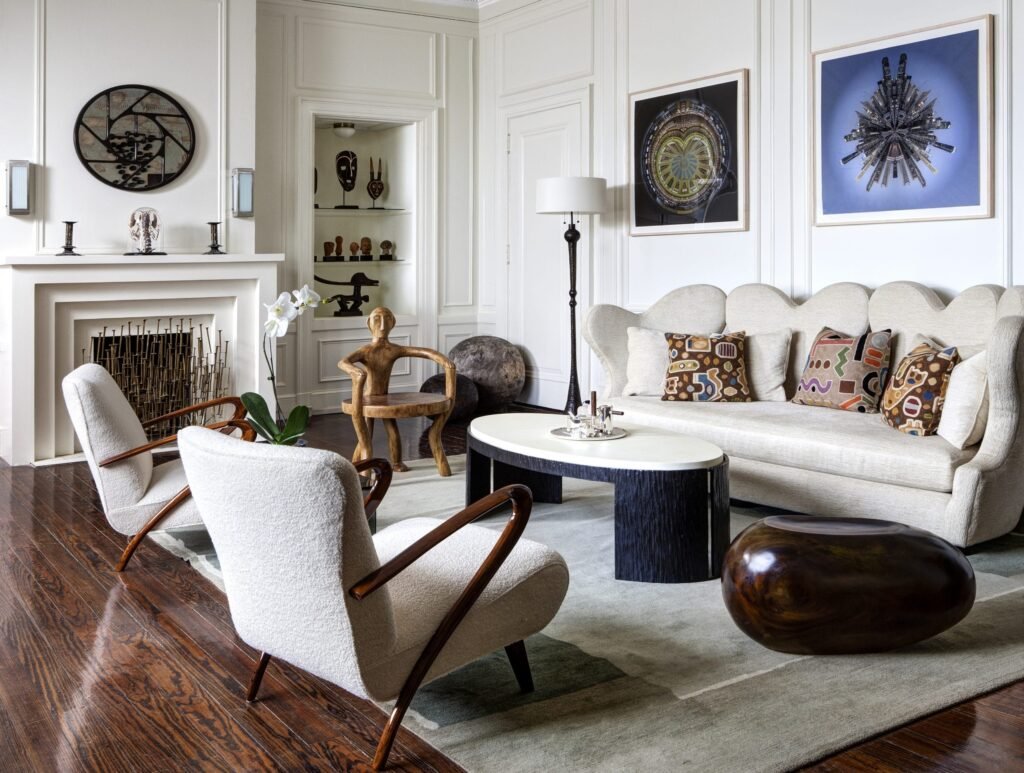
Authentic materials do not require every room to look as though it has been frozen in the past. Modern heritage interiors are usually most successful when historical features provide a foundation for contemporary living. A traditional stone wall can sit comfortably beside modern cabinetry, while an original timber floor can work with contemporary furniture and lighting. The contrast between old and new can create visual interest when proportions, textures, and colors are carefully balanced. This allows the property to retain its identity without sacrificing everyday comfort.
The same principle applies to kitchens and bathrooms. Modern appliances, sanitaryware, storage, and technology are often essential for comfortable living, even in historically significant properties. Rather than disguising these elements completely, designers can select finishes that complement the surrounding architecture. Traditional materials can provide continuity while contemporary components deliver functionality. The result should feel like a genuine home that has evolved over time rather than a staged period interior.
Working With a House Extension Architect Near Me
Material decisions become even more important when an older property is being extended. Homeowners searching for a house extension architect near me should look for professionals with experience in heritage properties and sensitive alterations. An architect can help determine how new materials should relate to the existing building without simply copying historical details. They can also coordinate structural requirements, planning considerations, building regulations, and interior relationships. Early involvement is particularly useful because material choices can influence construction details and project costs.
A good architectural team should be able to explain why particular materials are appropriate rather than recommending them solely for visual appeal. They may investigate the existing building, prepare drawings, develop specifications, and coordinate with structural engineers and specialist contractors. For significant historic properties, additional conservation expertise may also be appropriate. Homeowners should ask about previous projects involving older buildings and request clear information about the services included. Choosing experience relevant to the property’s character can make material sourcing considerably more straightforward.
Authentic Flooring for Scottish Heritage Interiors
Flooring can have a powerful effect on the atmosphere of a historic interior. Traditional timber boards, stone slabs, slate, encaustic-style tiles, and other natural materials can provide a strong visual connection with older architecture. However, the appropriate choice depends on what would have originally been used in the property and whether the existing structure can support the proposed material. Floor thickness, moisture, insulation, underfloor heating, and structural capacity may all need consideration. A beautiful floor still needs to perform effectively in a modern home.
Reclaimed flooring can provide particularly distinctive character, but homeowners should examine each batch carefully because variation can be substantial. Boards may differ in width, thickness, color, and wear, which can be attractive but may also complicate installation. New flooring designed to complement original materials can provide greater consistency. In either case, the installation method should be appropriate for the building. Technical compatibility should always take priority over achieving a particular visual effect.
Selecting Traditional Metalwork, Glass, and Hardware
Small architectural details can have a surprisingly large impact on the authenticity of a heritage interior. Door handles, hinges, cabinet hardware, stair components, light fittings, and other metal elements can reinforce the property’s period character. Traditional finishes such as aged brass, iron, or other appropriate metals can complement timber and stone. However, these details should be selected according to the architecture rather than applied uniformly throughout every room. Subtle repetition can create cohesion without making the interior feel overly themed.
Glass can also play an important role, particularly where homeowners want to introduce more daylight without losing the character of the building. Traditional-style glazing, carefully designed internal screens, or appropriately proportioned doors can connect rooms while maintaining architectural integrity. Modern glazing technology may sometimes be incorporated where performance improvements are needed. The appropriate solution depends on the property’s significance and applicable requirements. Combining technical performance with visually compatible detailing can produce a much more successful result.
Budgeting for Authentic Materials
Authentic and reclaimed materials can vary considerably in price, and availability is not always predictable. Specialist stone, handcrafted joinery, reclaimed timber, traditional plasterwork, and custom metalwork may require more time and labor than standard modern products. Homeowners should therefore establish priorities before beginning the sourcing process. It may make sense to invest heavily in highly visible original features while choosing simpler complementary materials elsewhere. A clear budget helps prevent attractive discoveries from creating financial problems later.
Lead times should also be considered because specialist materials may need to be sourced, inspected, prepared, or manufactured before installation. Reclaimed items can be especially unpredictable because finding enough matching material may take time. Architectural drawings and specifications should identify important materials as early as possible. This allows suppliers and contractors to plan appropriately. Late material substitutions can compromise both the appearance and technical performance of a heritage project.
Preserving History While Preparing for the Future
The strongest heritage interiors are designed for longevity rather than simply immediate visual impact. Original materials should be protected where practical, while new interventions should be durable, repairable, and compatible with the existing building. Modern services can be integrated discreetly without making maintenance unnecessarily difficult. Homeowners should also consider how future repairs or alterations might be carried out. A thoughtful design respects the past while ensuring that the property remains useful for future occupants.
Sourcing authentic materials is therefore about more than finding old products. It requires research into the property’s history, understanding traditional construction, evaluating material performance, and working with experienced professionals. Heritage interior design in Scotland can successfully combine original character with modern expectations when every material decision has a clear purpose. By prioritizing compatibility, craftsmanship, provenance, and durability, homeowners can create interiors that feel authentic without becoming impractical. The finished home should tell the story of its past while remaining comfortable and adaptable for the years ahead.
Conclusion
Sourcing materials for a heritage property requires patience, research, and a clear understanding of the existing architecture. Scottish stone, timber, lime finishes, reclaimed materials, traditional hardware, and carefully selected modern products can work together to create a respectful and comfortable interior. The objective is not to reproduce history inaccurately, but to preserve genuine character and introduce new elements with sensitivity. Professional guidance can be especially valuable when structural alterations or extensions are also being considered. With careful planning, material choices can strengthen rather than dilute the identity of an older Scottish home.
For homeowners undertaking heritage interior design in Scotland, the best results usually come from treating the building as a complete architectural system. If an extension is part of the project, finding a suitably experienced house extension architect near me can help coordinate the relationship between historic and new construction. Early decisions about materials, detailing, sourcing, and technical performance can reduce expensive changes later. Authenticity, sustainability, durability, and modern comfort do not have to compete with one another. When they are carefully balanced, heritage interiors can remain deeply connected to Scotland’s architectural past while functioning beautifully for contemporary life.