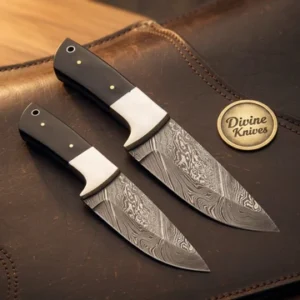
Choosing the proper blade steel for your skinning knife can be the single factor determining whether field dressing feels smooth or frustrating. Every hunter and outdoor enthusiast needs a reliable blade that holds up through bone, cartilage, and heavy hide without dulling immediately. At Divineknives, we carefully select our blade materials to strike the perfect balance between razor-sharp performance, edge retention, and long-term durability.
Understanding the primary differences between high-carbon steel and stainless steel allows you to match your tool to your specific environment and processing routine. Whether you prioritize effortless field maintenance or maximum resistance against moisture and rust, selecting the proper steel guarantees your cutting tools perform predictably every time you step into the wild.
The Power of High-Carbon Alloy Skinning Blades
High-carbon steel has earned a legendary reputation among big game hunters and professional game processors. The primary advantage of high-carbon alloy in a skinning knife is its ability to take an exceptionally fine edge and hold it through long processing sessions. Because carbon steel possesses a dense micro-carbide structure, it glides through dense hide with minimal resistance.
Another major benefit of high-carbon steel is how easily it can be touched up out in the field. When working through tough joints or dense hide, you can quickly restore a high-carbon blade to razor sharpness using a simple handheld hone or leather strop. Crafting tools with premium carbon alloys at Divineknives ensures that your knife stays working hard without requiring complex sharpening gear during long field trips.
Stainless Steel Superiority in Wet Environments
While high-carbon steel is prized for edge sharpness, stainless steel stands out as the ultimate low-maintenance material for wet conditions. Stainless alloys contain chromium, which forms an invisible protective oxide layer that resists corrosion, blood staining, and rust. If you frequently hunt in rain, snow, or coastal humidity, a stainless blade prevents environmental moisture from degrading your edge.
For hunters who want a hassle-free cleanup routine after a long day of processing, stainless steel offers unrivaled convenience. A stainless skinning knife can handle moisture exposure during extended field work without developing surface pitting or discoloration. At Divineknives, our stainless options give outdoor enthusiasts peace of mind, knowing their gear will remain bright, clean, and ready for action.
Edge Retention and Sharpness Requirements
Edge retention measures how long a cutting edge stays sharp under repetitive slicing forces. Skinning involves continuous friction against coarse fur, dirt, and connective tissue, which quickly dulls inferior knives. A specialized skinning knife requires an alloy formulation that resists microscopic chipping while maintaining a sharp edge along its curved belly.
High-carbon steels generally offer slightly longer raw edge retention during extended hide removal, while modern stainless steels provide consistent, tough edges that resist corrosion-induced dulling. The master smiths at Divineknives heat-treat both steel options to perfection, ensuring that whichever material you choose, the blade delivers clean, precise cuts without dragging or tearing meat.
Field Maintenance and Sharpening Techniques
Knowing how to care for your steel out in the bush keeps your equipment operating at peak performance. For high-carbon blades, routine field maintenance involves wiping the steel clean after every few cuts and applying a thin protective oil layer before sheathing. This simple habit prevents surface tarnishing and preserves the knife’s razor-sharp cutting geometry for years.
Stainless steel blades require less immediate care during the hunt, but benefit greatly from proper sharpening angles when you return home. Using diamond stones or ceramic hones maintains the factory edge profile without removing unnecessary metal. At Divineknives, we design every skinning knife with accessible bevel angles, making routine honing straightforward for beginners and seasoned outdoorsmen alike.
Conclusion
Choosing between stainless and high-carbon steel comes down to evaluating your local environment, maintenance habits, and personal processing style. High-carbon steel offers classic performance with unmatched field-sharpening ease, while stainless steel delivers maximum protection against moisture and low-maintenance convenience. At Divineknives, our hand-forged collections combine expert craftsmanship with high-grade steels built to satisfy demanding field work. Equip your kit with the ideal steel and experience the confidence that comes with using a purpose-built processing tool.