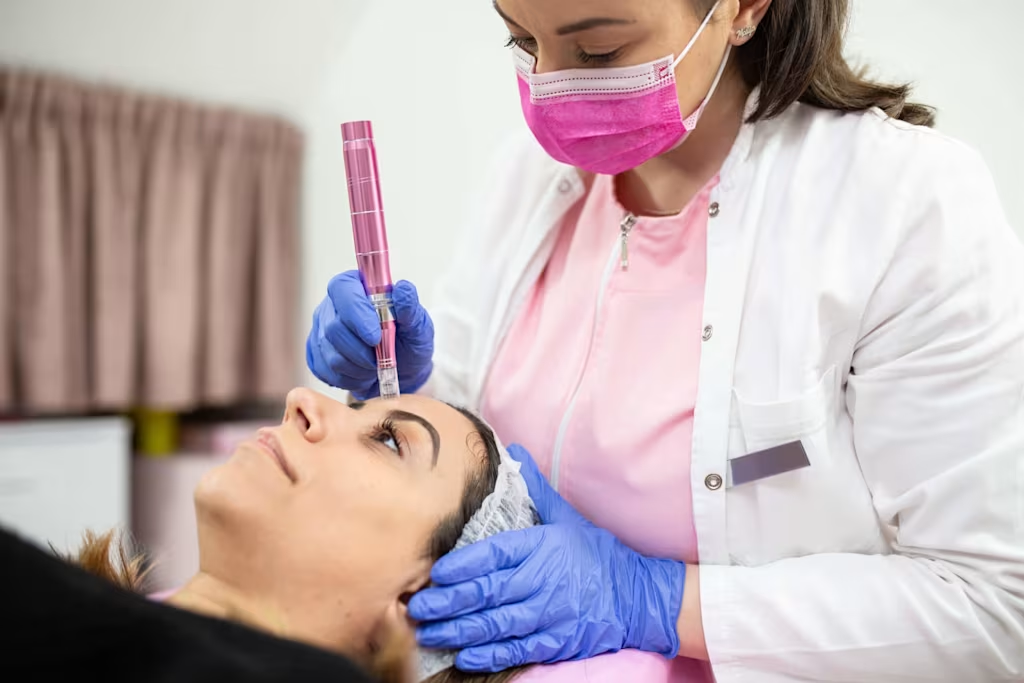
Choosing to undergo an aesthetic or reconstructive procedure is a transformative personal decision. Whether you are planning a deep plane facelift in Georgetown, body contouring in West End, or a complex mommy makeover in Northern Virginia, surgical precision is only the initial step toward your ideal result. The weeks immediately following your procedure play a defining role in shaping your final aesthetic outcome, safeguarding your physical health, and ensuring a seamless recovery.
As Washington, D.C., continues to be a premier hub for world-class plastic surgery, a growing number of patients are recognizing the value of professional, individual post-operative support. Partnering with a dedicated plastic surgery recovery nurse in Washington, D.C. provides clinical oversight, discreet home or hotel-based care, and emotional reassurance during the most critical hours of your healing journey.
Understanding the Physiological Demands of Post-Surgical Recovery
The human body reacts to surgical intervention with a complex series of biological responses. While top plastic surgeons execute procedures with extreme technical mastery, the acute trauma to underlying tissues initiates immediate physiological shifts:
-
Acute Fluid Accumulation: Inflammatory responses cause interstitial fluid to gather beneath the skin, leading to post-operative edema (swelling) and localized bruising.
-
Incision Stress and Wound Healing: Delicate suture lines remain vulnerable to micro-tears, excess tension, and bacterial exposure during the first 72 hours.
-
Seroma and Hematoma Risks: Procedures such as abdominoplasties (tummy tucks), deep muscle repairs, and large-volume liposuction frequently require surgical drains (such as Jackson-Pratt drains) to evacuate pooled fluids and prevent internal pressure buildup.
Relying solely on well-meaning family members or friends during this sensitive window can lead to unintended stress. Non-medical caregivers often lack the clinical experience to monitor Jackson-Pratt drain output accurately, differentiate standard post-op bruising from an emerging hematoma, or recognize the subtle early signs of tissue distress. Dedicated recovery nurses bridge this critical gap, providing expert care directly in your home or private hotel suite.
The Clinical Advantages of Private Post-Op Nursing Care
Private post-surgical nursing goes beyond simple logistical assistance. It offers tailored, high-level clinical intervention that actively protects your aesthetic investment and speeds up overall recuperation.
1. Expert Wound Hygiene and Drain Maintenance
Proper wound care is essential for minimal scar formation and infection prevention. A trained plastic surgery nurse performs sterile dressing changes, monitors incision integrity, and safely empties, strips, and records fluid metrics from surgical drains.
2. Strategic Pain and Medication Management
Staying ahead of acute pain is critical for patient comfort and preventing dangerous spikes in blood pressure, which can trigger post-operative bleeding. Recovery nurses establish precise medication logs, coordinating analgesics, muscle relaxants, anti-nausea meds, and antibiotics strictly according to your surgeon’s orders.
3. Continuous Assessment for Complications
The primary advantage of clinical oversight is early detection. A specialized nurse monitors vital signs, tracks localized skin perfusion (vital for flap viability in facelifts and breast reconstructions), and identifies issues like deep vein thrombosis (DVT) or infection before they turn into emergencies.
4. Safe Positioning and Mobility Assistance
Following specific physical restrictions—such as maintaining a flexed “cardiac chair” posture after a tummy tuck or avoiding pressure on grafted fat cells after body sculpting—requires structured support. Recovery nurses assist with safe ambulation, gentle positioning, and proper application of medical-grade compression garments.
Recovery Timeline with Specialized Nursing Care
A structured recovery approach helps align expectations with biological reality. Here is a overview of how specialized nursing care supports each key recovery milestone:
The Unique Recovery Landscape of Washington, D.C.
Recovering from cosmetic surgery in the nation’s capital presents unique considerations for local residents, busy professionals, and visiting patients alike:
-
Discretion and Privacy for High-Profile Individuals: Given the high concentration of diplomats, executives, public officials, and prominent figures in the Washington Metro area, privacy is often paramount. Experienced recovery nurses deliver white-glove, HIPAA-compliant care directly to high-end private residences or luxury boutique hotels, allowing patients to heal away from public view.
-
Support for Out-of-Town Patients: D.C. serves as a regional destination for advanced facial plastic surgery and body contouring. Patients flying in for surgery often recover in local hotels (such as the Fairmont in Georgetown or the Ritz-Carlton) before traveling home. Having a dedicated nurse on-site ensures professional observation when family cannot travel with you.
-
Seamless Surgeon Coordination: The D.C. surgical community relies on clear communication channels. Post-op nurses act as a direct liaison between you and your surgical team, providing structured clinical updates and consulting your surgeon immediately if questions arise.
If you are evaluating post-operative care options in the region, working with established professionals such as those at Plastic Surgery Nurse provides access to specialized clinical expertise designed specifically for aesthetic aftercare.
Key Questions to Ask When Hiring a Recovery Nurse
To ensure you select a care provider who fits your medical needs and personal preferences, ask these important questions during your initial planning:
-
What specific training do you have in aesthetic post-operative care? Confirm that the nurse has direct experience managing recovery for your specific procedure, whether facial, breast, or body contouring.
-
How do you communicate with my primary plastic surgeon? Ensure there is a clear protocol for sharing post-operative progress and escalating clinical questions directly to your doctor.
-
What options do you offer for shift coverage? Depending on your surgery type, ask whether you need continuous overnight care, 24-hour coverage, or short daily home visits.
-
Are you fully licensed to practice in Washington, D.C., Maryland, and Virginia? Given the multi-jurisdictional nature of the DMV area, verify that your nurse holds active licensure in the jurisdiction where you will be recovering.
Best Practices for a Smooth, Stress-Free Recovery
To get the best possible outcome from your surgery and make the most of your private nursing support, keep these essential principles in mind:
-
Finalize Care Plans Early: Arrange your post-operative nursing care several weeks prior to your surgery date to avoid last-minute coordination stress.
-
Prioritize Total Rest: True cellular repair requires immense metabolic energy. Allow your nurse and support team to handle logistical tasks, meal prep, and garment management so you can focus entirely on resting.
-
Adhere Strictly to Post-Op Instructions: Every surgeon has refined protocols regarding garment wear times, showering timelines, and activity limits. Your nurse will ensure these instructions are followed precisely without shortcuts.
-
Create a Comfortable Healing Environment: Set up your recovery space in advance with extra pillows, easy access to water, prescribed medications, and gentle lighting to support uninterrupted healing.
Investing in cosmetic surgery means investing in your long-term confidence and appearance. Partnering with a skilled plastic surgery recovery nurse in Washington, D.C., gives you the clinical expertise, privacy, and individualized care needed to navigate your post-op period safely and achieve your aesthetic goals.