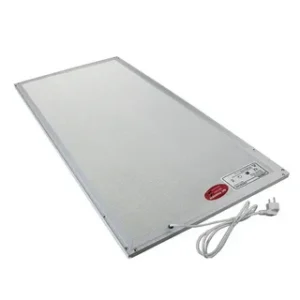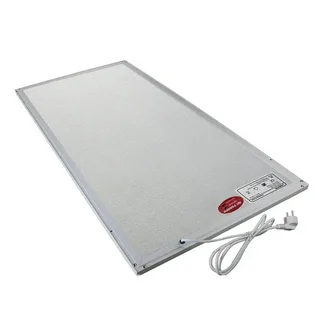
Infrared panels represent a modern approach to heating, offering an energy-efficient alternative to conventional systems. These panels utilise infrared technology to deliver heat directly to surfaces and objects, ensuring consistent warmth without relying on air circulation. Their design supports even heat distribution, promoting comfort in a variety of environments. Suitable for residential and commercial applications, radiant thermal panels suit those prioritising efficiency and sustainability. Their growing adoption reflects advancements in energy-conscious heating technologies.
The Science behind Radiant Thermal Panels
Radiant thermal panels utilise infrared radiation to transfer heat directly to objects and surfaces rather than warming the air. This process mirrors how the sun heats the Earth, providing consistent, evenly distributed warmth.
The panels operate through thermal radiation, a form of electromagnetic energy that does not rely on air movement. This method significantly reduces energy loss associated with convection-based systems. By targeting specific areas, radiant panels provide efficient heating with minimal waste.
Their design ensures surfaces absorb and retain heat longer, improving overall efficiency. This approach is particularly advantageous in spaces where maintaining stable temperatures is essential. Relying on direct heat transfer not only optimises energy use but also creates a comfortable indoor environment, free from draughts or temperature fluctuations commonly associated with traditional heating methods.
Energy Efficiency of Radiant Thermal Panels
Radiant thermal panels are highly regarded for minimising energy use through direct heating. By emitting infrared radiation, these panels warm surfaces and objects rather than relying on air circulation, which reduces heat loss typically associated with convection systems.
This targeted heating approach allows lower operating temperatures, maintaining comfort while using less energy. This makes them an excellent choice for those who want to optimise heating performance without excessive energy use.
Furthermore, radiant thermal panels contribute to long-term energy efficiency by maintaining consistent temperatures. Unlike systems prone to temperature fluctuations, these panels maintain a stable, comfortable indoor environment. Their design inherently reduces energy waste, making them a sustainable and cost-effective heating solution suitable for various settings. This energy-efficient performance positions radiant panels as a modern option in heating technology.
Installation Process of Infrared Heating Panels
Installing infrared heating panels requires careful assessment of the area to determine the most effective placement. Factors such as room dimensions, insulation levels, and intended usage play a significant role in positioning the panels for optimal performance. Proper spacing and alignment ensure even heat distribution and efficient operation.
Electrical connections must meet safety standards, underscoring the importance of professional expertise during installation. Following manufacturer guidelines is crucial to achieving reliable, long-lasting results.
Types of Radiant Thermal Panels
Radiant thermal panels are available in multiple configurations, including wall-mounted, ceiling-mounted, and floor-integrated designs. Wall-mounted panels are practical for optimising space and can complement a range of interior styles. Ceiling-mounted options are particularly discreet, providing effective heating while staying out of sight, which is ideal for maintaining an uncluttered aesthetic. Floor-integrated panels offer an innovative solution for uniform heat distribution from below, creating a comfortable, consistent indoor environment.
Materials for radiant thermal panels vary, with common options including aluminium, glass, and ceramic. Aluminium panels are lightweight and durable, often chosen for their efficiency and practicality. Glass panels offer a sleek, modern look and can double as a decorative feature. Ceramic panels retain heat effectively and release it gradually, offering sustained warmth. The variety in types and materials allows for versatile applications suited to diverse settings and requirements.
Cost Implications of Radiant Thermal Panels
The financial considerations of radiant thermal panels often include higher initial costs than traditional heating systems, mainly because of the advanced technology and materials used in their construction. However, their energy-efficient operation can significantly reduce ongoing energy expenses. Over time, the durability and low maintenance needs of these panels further reduce costs.
By providing consistent heating without frequent repairs or replacements, radiant thermal panels offer a long-term economic solution, particularly for those aiming to balance upfront investment with lower operating costs. Their capacity to lower energy consumption while maintaining performance makes them a cost-effective option in both residential and commercial applications.
Environmental Impact of Radiant Thermal Panels
Radiant thermal panels support environmental sustainability through efficient energy use. By heating surfaces and objects directly, they reduce the unnecessary energy consumption often associated with traditional convection systems. This targeted approach minimises reliance on non-renewable energy sources, thereby lowering greenhouse gas emissions. Many of these panels are also made from recyclable or eco-friendly materials, supporting broader efforts to reduce environmental impact.
Their durability and low maintenance needs also lessen resource consumption over time, making them a practical choice for sustainable heating. Providing effective warmth while conserving energy supports global initiatives to reduce carbon footprints and promote energy efficiency in residential and commercial spaces.
Heating Panels Infrared in Commercial Spaces
Heating panels infrared suit commercial environments, providing efficient heating for large areas such as offices, warehouses, and retail spaces. Their ability to deliver direct heat to surfaces ensures consistent temperature control, even in buildings with high ceilings or open layouts. This heating method reduces energy wastage often associated with convection systems, making it a cost-effective option for businesses.
Additionally, these panels operate silently, creating a comfortable atmosphere without noise interference and supporting productivity. The discreet design integrates seamlessly into commercial interiors, preserving aesthetics while ensuring functionality. Radiant panels also help maintain cleaner air quality, as they do not rely on air circulation, making them advantageous in busy or high-traffic environments.
Radiant Thermal Panels in Residential Settings
Radiant thermal panels serve as an efficient heating solution for residential properties, providing warmth through advanced infrared technology. Their sleek, unobtrusive designs integrate seamlessly into various home interiors, delivering effective heating without disrupting aesthetics. By delivering heat directly to surfaces, these panels provide consistent warmth and reduce the cold spots common with conventional systems. The lack of air movement minimises dust circulation, improving indoor air quality.
Additionally, their energy-efficient operation supports lower energy consumption, aligning with modern preferences for sustainable living. These panels suit homes seeking a balance of comfort, efficiency, and minimal environmental impact, making them a forward-thinking choice for residential heating needs.
Safety Considerations for Radiant Thermal Panels
Radiant thermal panels include safety mechanisms such as temperature regulators and overheat protection to ensure safe operation. Their surfaces are designed to distribute heat effectively while remaining safe to touch under normal usage, reducing the risk of burns. Proper installation by qualified professionals is essential to maintain safety and functionality.
Routine maintenance, including inspecting electrical connections and cleaning dust from panel surfaces, helps prevent potential issues. Following manufacturer guidelines ensures long-term reliability and safe performance.
Additionally, their design eliminates moving parts, reducing the risk of mechanical failures. Together, these features make radiant thermal panels a dependable, secure heating option for a range of residential and commercial applications.
Future Trends in Radiant Thermal Panel Technology
Advancements in radiant thermal panel technology are increasingly centred on integrating smart systems and improving energy efficiency. Material innovations are enabling better heat retention and optimised thermal conductivity, allowing panels to deliver more effective performance. Smart controls, including programmable thermostats and remote operation through mobile applications, are becoming standard, offering precise temperature management.
Additionally, research into renewable energy compatibility aims to align radiant panels with solar or wind power systems. Future designs are expected to focus on ultra-thin and flexible panels, broadening their application potential across diverse environments.
Emerging manufacturing techniques are also reducing production costs, making these panels more accessible. Together, these trends show a commitment to improving functionality and expanding the versatility of radiant thermal panels.
Comparing Radiant Heat Panels with Other Heating Options
Radiant heat panels differ from traditional heating systems by using infrared radiation to transfer heat directly to surfaces, ensuring consistent warmth without reliance on air circulation. Unlike convection-based systems, they minimise energy loss by focusing heat where it is needed most, providing a targeted and efficient solution. Their operation reduces dust and allergen movement, promoting better indoor air quality.
Radiant panels are also silent, unlike some systems with moving components, offering a quieter heating experience. Their sleek designs and integration options make them versatile, blending seamlessly into diverse environments without compromising functionality or aesthetics.
User Experiences with Radiant Thermal Panels
Radiant thermal panels are often noted for maintaining a consistent, comfortable indoor temperature. Their energy efficiency is often recognised as a key advantage, along with their ability to operate silently and support a calm, undisturbed environment. The sleek and unobtrusive designs of these panels are particularly valued, as they integrate seamlessly into various settings without compromising the overall décor.
Furthermore, their low-maintenance nature and reliable long-term performance are often highlighted as key benefits, demonstrating their suitability for both residential and commercial applications seeking efficient, aesthetically pleasing heating solutions.
Conclusion
Infrared panels offer an energy-efficient, sustainable heating solution for residential and commercial properties across Australia. By utilizing infrared radiation to transfer heat directly to objects and surfaces rather than circulating air, these panels eliminate unnecessary energy waste and improve indoor air quality. Featuring sleek wall, ceiling, and floor installations alongside smart control integration, they deliver consistent, silent, and targeted warmth. While initial installation costs can be higher, long-term durability, reduced maintenance requirements, and lower energy consumption provide exceptional economic and environmental value for modern buildings throughout Australia.
FAQs
How do Infrared panels heat a room differently from conventional heaters?
Infrared panels use infrared radiation to transfer thermal energy directly to solid objects, surfaces, and occupants rather than warming circulating air. This direct method prevents convective heat loss, eliminates indoor draughts, and ensures even, natural warmth similar to sunlight across various properties throughout Australia.
Are radiant thermal panels energy-efficient compared to traditional heating systems?
Yes, radiant thermal panels are exceptionally energy-efficient because they target surfaces and objects directly without wasting electricity on unnecessary air circulation. This targeted heating approach allows systems to operate at lower ambient temperatures while maintaining optimal personal comfort, significantly reducing long-term energy consumption and utility expenses across Australia.
What installation options are available for radiant thermal panels?
Radiant thermal panels offer versatile installation options, including space-saving wall-mounted designs, discreet ceiling-mounted units, and innovative floor-integrated systems. Wall panels optimize room layouts, ceiling units remain completely out of sight, and floor systems provide uniform upward warmth, perfectly accommodating diverse interior designs and architectural preferences across Australia.
Do radiant thermal panels help improve indoor air quality?
Yes, radiant thermal panels significantly improve indoor air quality by operating entirely without forced air circulation. Because they do not blow air through ducts or vents, they prevent the stirring and distribution of household dust, pollen, and other common allergens throughout residential and commercial spaces in Australia.
What maintenance is required to keep radiant thermal panels operating smoothly?
Radiant thermal panels require minimal maintenance due to their lack of moving mechanical parts. Routine upkeep simply involves periodically wiping down the smooth panel surfaces to remove dust accumulation and ensuring professional electricians inspect the electrical connections annually to guarantee safe, reliable performance across Australia.
| Related Business Listings |
| Contact Directory |
| Local Business Profiles |