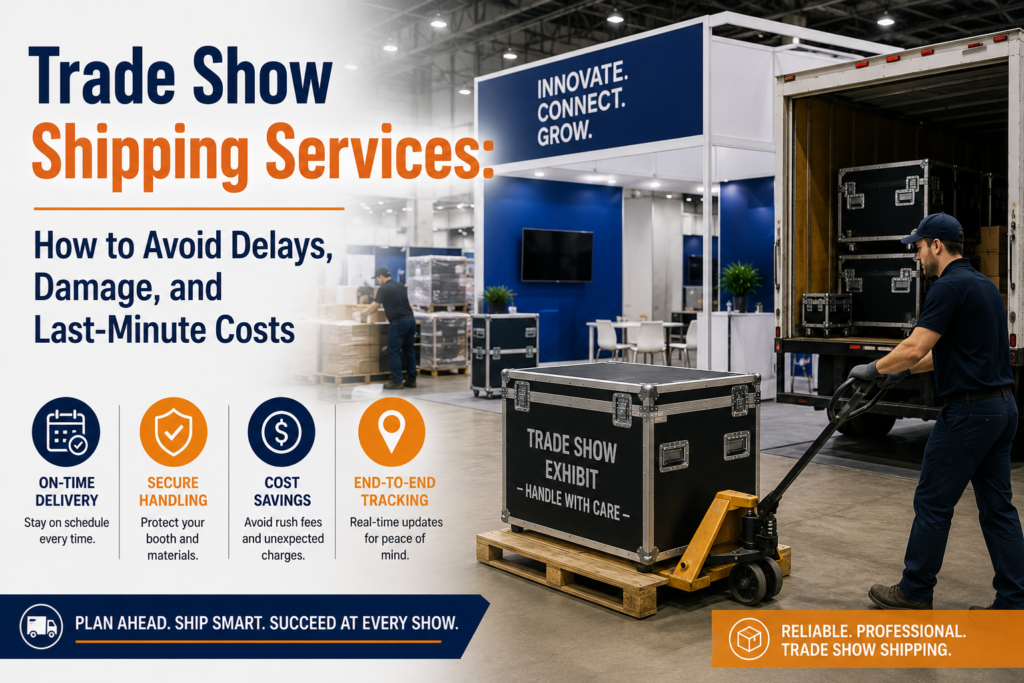
A successful trade show starts long before the doors open. Your booth may be beautifully designed and your team fully prepared, but if exhibit materials arrive late or damaged, the entire event plan can quickly become stressful.
That is why professional trade show shipping services are an important part of trade show planning. Moving booth structures, graphics, AV equipment, product samples, and promotional materials requires more coordination than standard business shipping. Convention centers often have strict receiving windows, advance warehouse deadlines, and specific freight procedures.
With the right planning, exhibitors can avoid many common shipping problems and unexpected costs.
Understand the Show’s Shipping Requirements
Every trade show has its own freight rules. Before scheduling a shipment, review the exhibitor manual carefully.
Pay attention to:
- Advance warehouse deadlines
- Direct-to-show delivery dates
- Move-in schedules
- Required shipping labels
- Material handling procedures
- Special freight instructions
Missing a deadline can lead to expedited shipping, additional storage, or other last-minute expenses. Starting with the official show schedule gives your team a clearer logistics plan.
Choose the Right Delivery Option
Most exhibitors choose between shipping to an advance warehouse or directly to the show site.
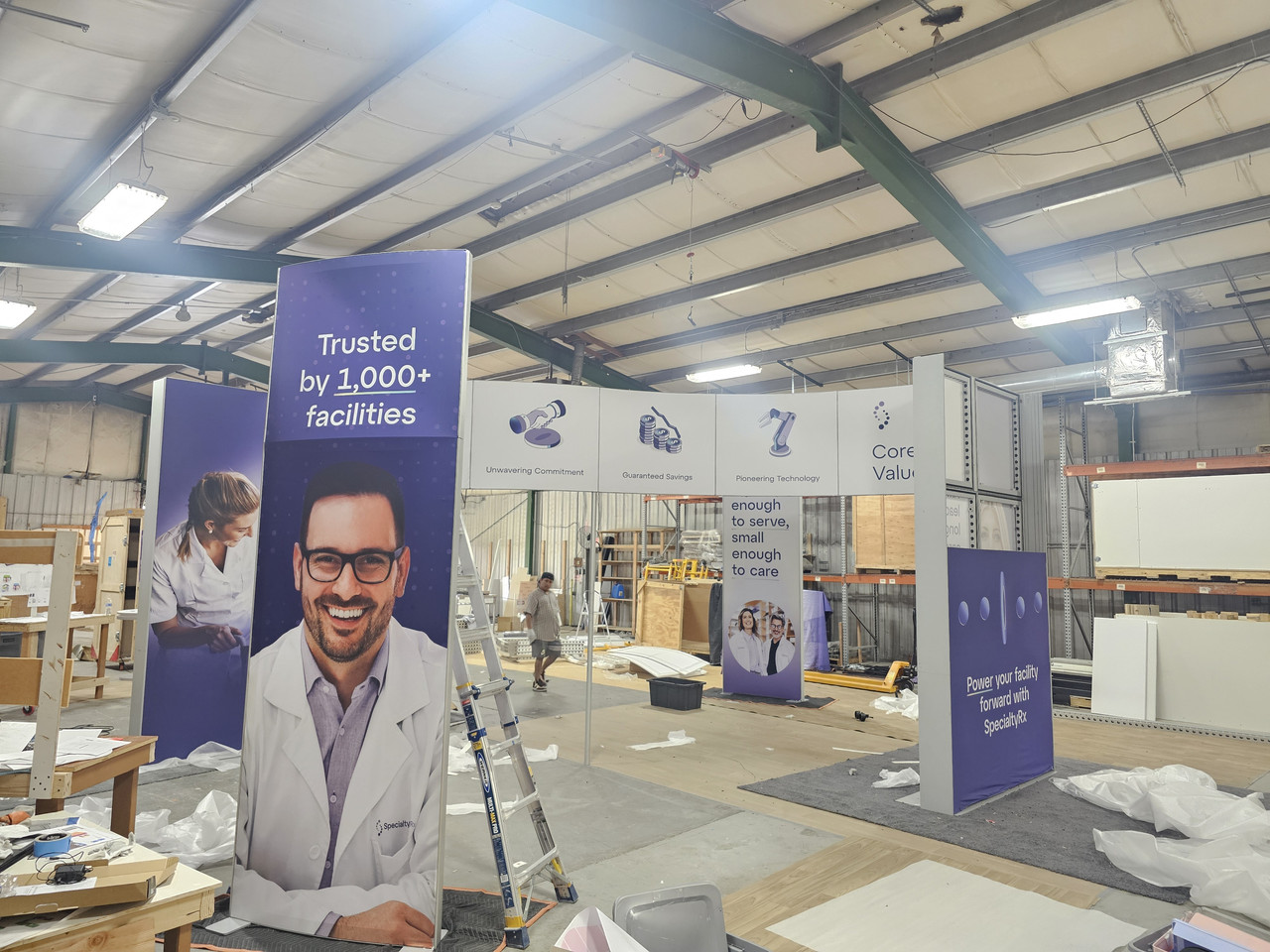
An advance warehouse receives freight before the event and holds it until move-in. This option can provide more flexibility and may help ensure materials are available when booth installation begins.
Direct-to-show shipping sends freight straight to the venue during a specific receiving window. It can work well, but timing is often tighter and delays may affect setup.
The best option depends on your installation schedule, booth complexity, distance, and overall event plan.
Build Extra Time Into Your Schedule
One of the easiest ways to avoid expensive shipping problems is to avoid shipping at the last possible moment.
Traffic, weather, carrier delays, and warehouse congestion can affect even well-planned deliveries. A small delay becomes a major issue when the booth must be installed the next morning.
Professional trade show logistics services often work backward from the required arrival date, allowing enough time for transportation and unexpected disruptions.
A reasonable buffer can be far less expensive than emergency freight.
Protect Exhibit Materials Properly
Trade show freight may be handled several times before reaching the booth. It can be loaded, unloaded, stored, transferred, moved across the convention center, unpacked, and later repacked.
For that reason, proper packaging matters.
Depending on the exhibit, consider using:
- Custom shipping crates
- Padded road cases
- Protective foam
- Internal dividers
- Corner protection
- Secure graphic tubes
Reusable exhibit components should be packed with future events in mind. Good protection can reduce damage and help extend the usable life of booth assets.
Label and Track Every Shipment
Clear labeling can prevent unnecessary confusion during move-in.
Each crate or pallet should include accurate event information, such as:
- Exhibitor name
- Booth number
- Event name
- Delivery destination
- Required show labels
For larger exhibits, create a simple crate inventory. Knowing which container holds flooring, graphics, AV equipment, or structural components can save valuable installation time.
Tracking details should also be shared with the relevant project and installation teams.
Coordinate Shipping With Booth Installation
Shipping and installation should never be treated as completely separate tasks.
The installation crew needs to know what is arriving, when it should be available, and which crates contain priority components. If essential structural pieces arrive late—or are difficult to locate—the entire setup schedule may be affected.
Good coordination helps ensure that flooring, booth structures, electrical work, graphics, and technology can be completed in the correct sequence.
This is especially important for large custom exhibits with multiple shipments.
Know the Difference Between Shipping and Material Handling
A common source of unexpected costs is confusion between transportation and material handling.
Shipping covers the movement of freight from one location to another. Material handling generally involves receiving freight at the event facility and moving it to the booth area, along with related on-site processes.
Charges may vary based on shipment weight, packaging type, arrival time, and handling requirements.
Understanding these costs before the event can help prevent budget surprises.
Plan Return Shipping Before the Show
Do not wait until the final day to think about return logistics.
Before the event begins, confirm:
- Return destination
- Carrier arrangements
- Pickup procedures
- Required paperwork
- Storage plans
- Dismantling schedule
A clear post-show shipping plan can reduce missed pickups, storage issues, and rushed decisions after the event closes.
Work With an Experienced Exhibit Partner
For brands managing large booths or multiple events, trade show shipping can become complex quickly.
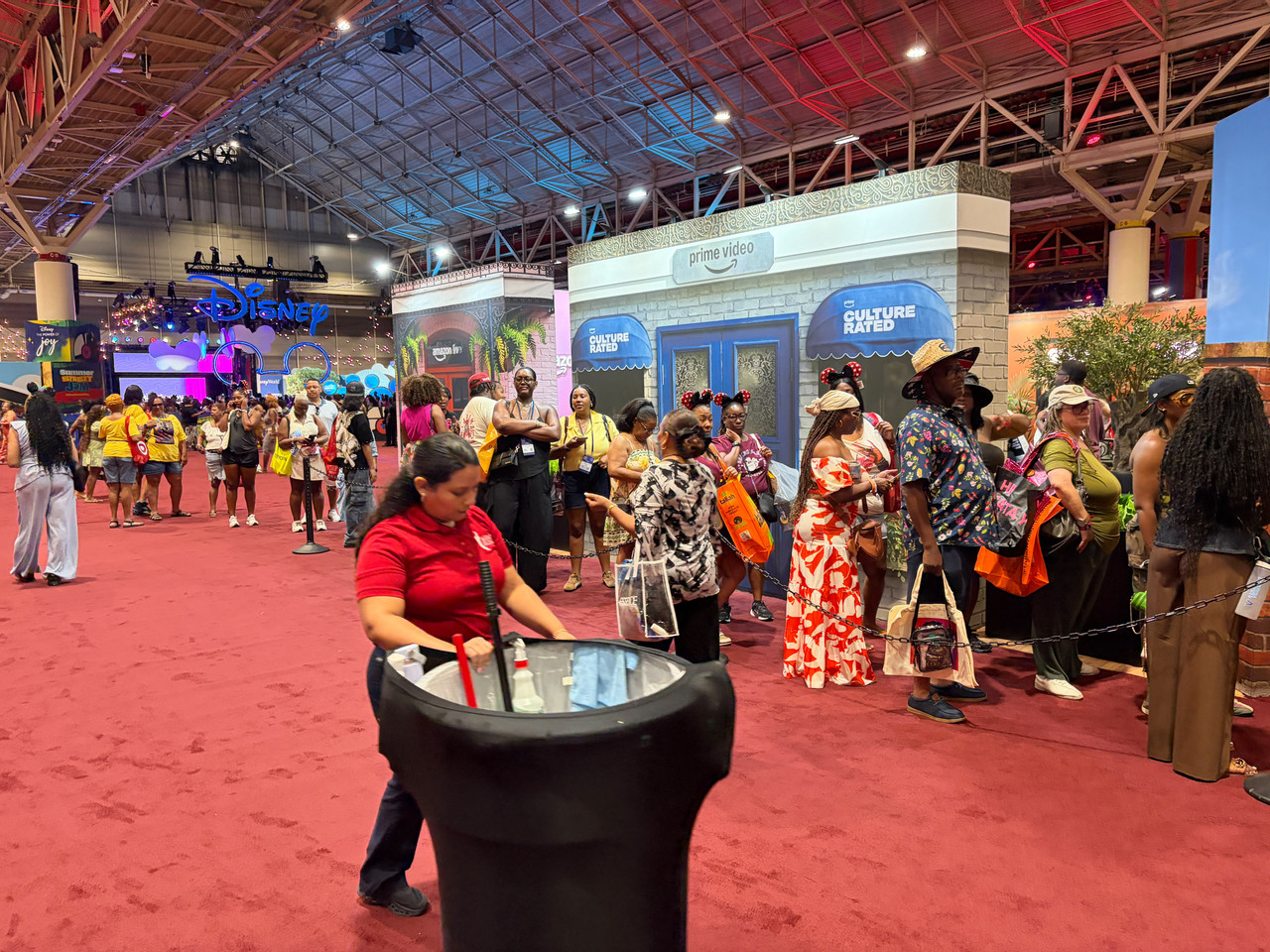
An experienced exhibit partner such as Purple Exhibits can help coordinate logistics with booth fabrication, installation, dismantling, and storage. Keeping these activities connected can reduce communication gaps and make event execution more manageable.
Professional support is particularly valuable when dealing with multi-crate shipments, tight move-in schedules, high-value equipment, or multiple show locations.
Reliable trade show shipping services are about more than moving exhibit materials from one place to another. They help ensure that booth components arrive at the right location, on time, and ready for installation.
By reviewing show requirements early, choosing the right delivery method, protecting freight properly, coordinating with installation teams, and planning return shipping in advance, exhibitors can avoid many common delays and unexpected costs.
A well-managed shipping plan gives your team one less problem to solve when the trade show floor gets busy.