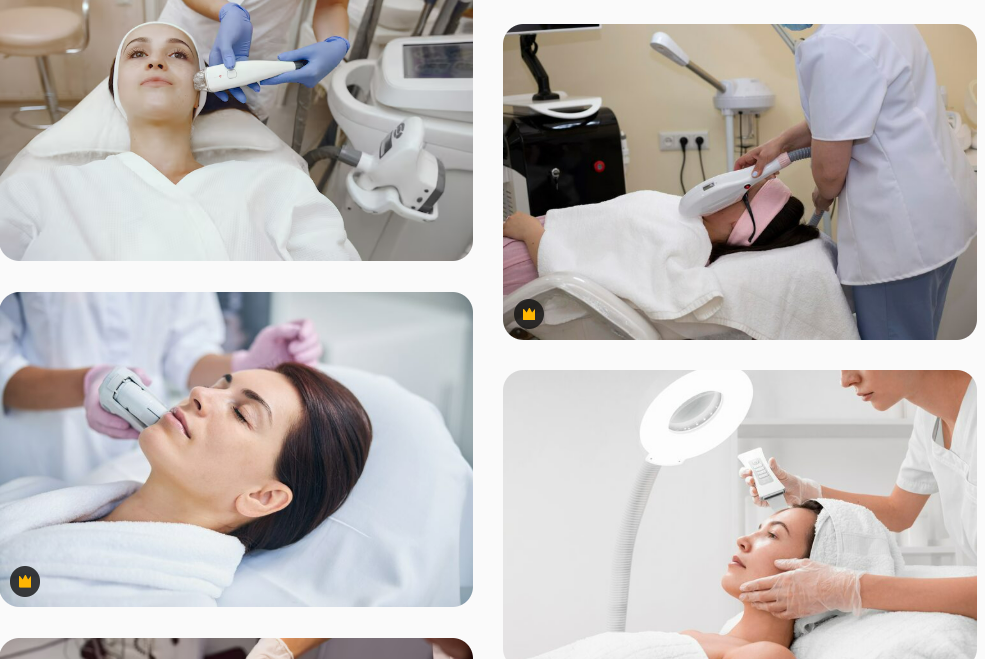
Ageing skin does not happen overnight, but over time, you may notice your jawline looking less defined, your cheeks appearing slightly lower, or loose skin becoming more visible around your neck. If you want a firmer, more lifted appearance without undergoing surgery, comparing Ultherapy vs HIFU in Singapore is a sensible first step towards choosing a treatment that suits your skin and aesthetic goals.
Both treatments use focused ultrasound energy to stimulate collagen production and improve skin firmness, but they are not exactly the same. Understanding their differences, including treatment precision, ultrasound visualisation, expected results and suitability, can help you make a more informed decision before investing in your skin. At Astique Clinic, the focus is on personalised aesthetic care that enhances your natural features rather than changing the way you look.
What Is the Difference Between Ultherapy and HIFU?
When comparing Ultherapy vs HIFU, the most important distinction is not simply the treatment name or price. It is the technology used, how accurately the treatment targets the intended tissue layers, and whether the device provides real-time ultrasound imaging to guide energy delivery.
Both approaches use concentrated ultrasound energy to create controlled thermal stimulation beneath the skin’s surface. This process encourages the body’s natural collagen remodelling response, helping improve skin firmness gradually over the following weeks and months. However, different devices have different capabilities, treatment protocols and levels of visualisation, so the overall experience and results can vary.
What Is Ultherapy?
Ultherapy is a non-surgical skin lifting treatment that uses micro-focused ultrasound with visualisation, commonly abbreviated as MFU-V. Its defining feature is real-time ultrasound imaging, which allows the trained practitioner to view the underlying tissue layers before and during energy delivery, supporting more informed treatment planning.
This visualisation is particularly relevant when treating areas where tissue depth and facial anatomy matter. Depending on clinical suitability and the treatment indication, Ultherapy may be considered for concerns such as a less defined jawline, loose skin beneath the chin, neck laxity and brow lifting. It is designed to support a firmer, more lifted appearance without incisions or surgical recovery.
What Is HIFU?
HIFU stands for High-Intensity Focused Ultrasound. It is a broader category of non-surgical treatments that uses focused ultrasound energy to stimulate collagen remodelling at selected tissue depths, with the aim of improving skin firmness and contour.
HIFU treatments are commonly considered for concerns involving the cheeks, jawline, double-chin area and neck. However, HIFU is not a single standardised device; different machines may vary in their technology, energy delivery, available treatment depths and imaging capabilities. Before choosing a HIFU treatment, it is worth asking which device the clinic uses and how the practitioner determines the appropriate treatment settings.
Ultherapy vs HIFU Comparison at a Glance
If you are searching for Ultherapy vs HIFU Singapore, this comparison highlights the practical differences to discuss during your consultation.
| Feature | Ultherapy | HIFU |
| Technology | Micro-focused ultrasound with visualisation | High-intensity focused ultrasound; technology varies by device |
| Real-time imaging | Integrated ultrasound visualisation | Depends on the specific device; many conventional systems lack integrated imaging |
| Treatment planning | Imaging supports tissue assessment and targeting | Depends on device capabilities, anatomy and practitioner expertise |
| Main objective | Skin lifting and improved firmness | Skin tightening and lifting |
| Treatment areas | Selected areas of the brow, under-chin region and neck, depending on suitability | Commonly cheeks, jawline, under-chin area and neck, depending on the device |
| Results | Gradual collagen-related improvement | Gradual collagen-related improvement |
| Downtime | Usually minimal, although temporary side effects may occur | Usually minimal, although temporary side effects may occur |
The comparison is a general guide rather than a guarantee of treatment performance. Not all HIFU machines are alike, and the final outcome depends on the device, treatment technique, individual anatomy and the body’s response to collagen stimulation.
Which Treatment Is Better for Sagging Skin?
There is no single answer to which treatment is better because sagging skin can develop differently from one person to another. Some people notice early loss of firmness around the lower face, while others are more concerned about their neck, jawline or the appearance of skin beneath the chin.
Ultherapy for Precision and Skin Lifting
Ultherapy may be worth discussing if you want a treatment that incorporates real-time imaging into the skin lifting process. Seeing the tissue layers helps the practitioner make more informed decisions about where to deliver energy, rather than relying solely on external landmarks and experience.
For suitable candidates, this approach may support a more targeted treatment plan for selected areas of the face and neck. However, imaging alone does not guarantee a superior outcome for every individual. Proper assessment, appropriate settings and the practitioner’s clinical judgement remain important.
HIFU for Targeted Skin Tightening
HIFU may be suitable for individuals seeking non-surgical skin tightening for concerns such as mild facial laxity or a less defined jawline. The exact benefits depend on the particular device and treatment protocol, so comparing clinics solely by the term HIFU may not give you the full picture.
Before committing to a session, ask about the machine being used, the practitioner’s qualifications, the areas being treated and the expected improvement for your skin. A personalised assessment helps establish whether HIFU is appropriate or whether another approach would better address your concerns.
When Ultrasound Skin Tightening May Not Be Enough
For mild to moderate skin laxity, ultrasound-based treatments may help improve firmness and definition. However, significant excess skin, substantial tissue descent or volume loss may require a different treatment strategy, and a non-surgical procedure should not be presented as equivalent to a surgical facelift.
A responsible consultation considers the cause of the concern rather than automatically recommending the most popular treatment. This helps you invest in an option that aligns with your needs, budget and realistic expectations.
How Long Do Ultherapy and HIFU Results Take?
One common misconception is that skin tightening should be immediately obvious after treatment. In reality, both Ultherapy and HIFU rely on the body’s collagen remodelling process, so visible improvements develop progressively rather than appearing instantly.
Some individuals may notice an early change, but more meaningful improvements often emerge over approximately two to three months and can continue developing for several months. The timing varies according to the treatment, the degree of skin laxity, individual collagen response and other personal factors.
How Long Can the Results Last?
Results may last for a year or longer in some Ultherapy patients, while HIFU results vary considerably between devices and treatment protocols. Neither treatment offers a guaranteed duration, and natural ageing continues even after a successful session.
Your practitioner can advise whether maintenance treatment may be appropriate and when it should be considered. Rather than choosing a treatment based on the longest advertised duration, look at the quality of the clinical assessment, the suitability of the technology and the likely benefit for your particular concern.
Is Ultherapy or HIFU Painful? What About Downtime?
Both treatments are non-surgical, but this does not mean they are completely sensation-free. During treatment, you may experience brief warmth, tingling, prickling or discomfort as ultrasound energy reaches the targeted tissue. The level of discomfort depends on the device, treatment area, energy settings and individual sensitivity.
Temporary redness, swelling, tenderness or altered skin sensation may occur after treatment. These effects are often short-lived, although the duration and severity vary between individuals. Less common but more significant complications are possible, which is why appropriate patient selection, anatomical knowledge and trained treatment delivery matter.
Who Should Consider a Consultation First?
A consultation is especially important if you have sensitive skin, an existing medical condition, previous cosmetic procedures or concerns that may affect your suitability. Your practitioner should review your medical history, examine the treatment area and explain relevant risks before recommending a procedure.
Do not assume that every person with loose skin is suitable for ultrasound treatment. A careful assessment can help determine whether Ultherapy, HIFU or another approach is more appropriate for your desired outcome.
Why Choose Astique Clinic for Ultherapy vs HIFU in Singapore?
Choosing an aesthetic clinic involves more than comparing promotional prices or treatment names. You deserve a clear explanation of the technology, an assessment of your skin and realistic guidance about what a non-surgical treatment can achieve.
At Astique Clinic, the philosophy is simple: enhance, don’t transform. The aim is to help you explore appropriate aesthetic options while preserving your natural features and individual facial character. Rather than treating every concern with the same approach, a personalised consultation can help identify the areas that matter most to you and determine which treatment options deserve consideration.
Located at Orchard Building in Singapore, Astique Clinic offers aesthetic treatments including Ultherapy PRIME® and HIFU. Discussing your concerns directly with the clinic allows you to understand the available options, expected outcomes, possible side effects and treatment costs before making a decision.
Make an Informed Decision for Your Skin
Before booking, consider three important questions: Does the treatment address your specific concern? Can the practitioner explain the technology and its limitations clearly? Are the expected results realistic for your skin condition? These questions are more useful than assuming one treatment is automatically better for everyone.
A well-planned aesthetic treatment should give you clarity and confidence, not pressure you into making a rushed decision. The right approach is one that fits your anatomy, preferences and long-term skin goals.
Book Your Ultherapy vs HIFU Consultation at Astique Clinic Today
If you are still deciding between Ultherapy vs HIFU in Singapore, let Astique Clinic help you understand the differences and explore an option that suits your skin. Whether your priority is a more defined jawline, firmer-looking cheeks or improved neck tightness, a personalised consultation is the first step towards making a confident, informed choice. Visit Astique Clinic’s Ultherapy vs HIFU guide today and take the next step towards firmer-looking skin and natural-looking results. Discover an approach that respects your features, supports realistic expectations and reflects Astique Clinic’s philosophy of enhancing your natural beauty, not transforming who you are.