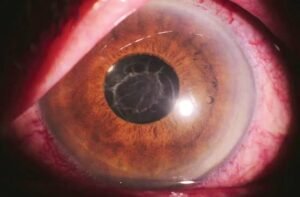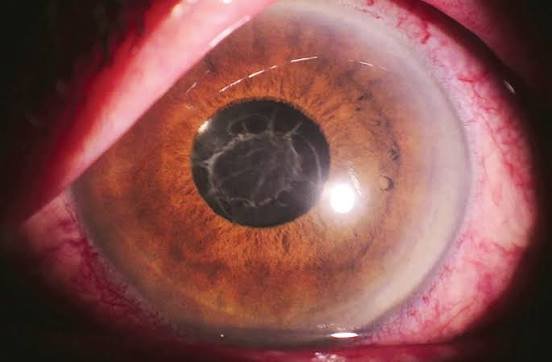
Uveitis is inflammation inside the eye and it is one of the more common reasons a cataract develops early. It also makes cataract surgery more complicated than it would otherwise be because an inflamed eye heals less predictably than a quiet one. Patients who understand the reasoning behind the extra preparation find the timeline far easier to accept.
Why Uveitis Causes Cataracts
Chronic inflammation alters the chemistry inside the eye and disturbs the normal nutrition of the lens. Long term steroid drops used to control the inflammation contribute as well. The result is that cataracts often appear years earlier than they would in an otherwise healthy eye and they can develop quickly during an active flare.
The Single Most Important Rule
Surgery is performed on a quiet eye rather than an inflamed one. Operating during active inflammation dramatically raises the risk of complications and produces a poorer visual result. Most surgeons want the eye free of flare for a period of weeks or months before scheduling and that timeline is not negotiable.
Higher Risks Compared With Routine Cases
The core operation is the same but several risks are elevated in uveitic eyes. Inflammation after surgery can be more intense and persistent than usual and the capsule holding the implant can thicken faster. There is also a higher chance of the pupil becoming stuck to the lens during healing which affects long term stability.
Steroid Cover Around Surgery
Most patients receive additional steroid treatment before during and after the operation to suppress the expected inflammatory response. The regimen is often more intensive than the standard post operative drops used in routine cases. Patients should follow the exact tapering schedule rather than reducing doses early because the eye feels comfortable.
Measurements and Implant Selection
An inflamed eye produces unreliable measurements which is another reason surgery waits. Once the eye is quiet biometry becomes far more consistent and the implant choice is more dependable. Anyone reviewing the cataract surgery cost of a private procedure should note that additional visits may be required before a date is confirmed.
Coordinating With a Uveitis Specialist
Many patients are managed jointly by a general ophthalmologist and a uveitis subspecialist and both should be involved in the surgical plan. Providers such as this Gold Coast clinic work alongside the treating physician rather than replacing them. Sharing recent notes and current medication lists prevents conflicting advice.
What to Expect During Recovery
The recovery follows the usual pattern but with closer monitoring.
-
Reviews are usually scheduled more frequently than in routine cases
-
Steroid drops are often continued for longer than four weeks
-
Any increase in floaters or blurring should be reported promptly
Managing Flare Triggers After Surgery
Surgery itself can provoke a flare in a susceptible eye which is why the steroid cover matters. Stress missed medication and intercurrent illness are common triggers worth watching in the weeks afterwards. Anyone who also looked into the laser eye surgery cost gold coast alternative should understand that refractive surgery is generally avoided in eyes with a uveitis history.
Longer Term Monitoring
Uveitic eyes need ongoing review beyond the standard six week mark because late complications can develop quietly. Capsule thickening and macular swelling are both manageable when identified early. Regular follow up is part of the treatment rather than an optional extra.
Questions Worth Asking Before Surgery
Patients should ask whether the eye is quiet enough for surgery and how long the steroid cover will continue. Confirming the monitoring schedule and who to contact during a flare is equally useful. A surgeon who explains the reasoning behind the delay is demonstrating good judgement rather than obstructiveness.
Final Thoughts
Uveitis makes cataract surgery more demanding but not impossible and the additional precautions exist for sound reasons. A quiet eye steroid cover and closer follow up give the best chance of a clear stable result. Patience before the operation is the most useful thing a patient can bring to the process.