The idea often starts small. Someone spots a photo of a cozy camper interior online, then imagines weekend trips without hotel bookings. Before long, they’re browsing cargo vans and sketching floor plans on napkins.
That first spark is where most van conversions begin. Turning an empty cargo van into a livable, road-ready space has grown into a serious movement across the United States, driven by remote workers, retirees, and adventure seekers alike. But behind the dreamy interiors lies a lot of practical work.
Understanding the basics early can save time, money, and plenty of frustration down the road.
What a Van Conversion Actually Involves
At its core, a conversion transforms a standard van into a functional living or working space. That can mean anything from a simple weekend camper to a fully wired mobile home with a kitchen and bathroom.
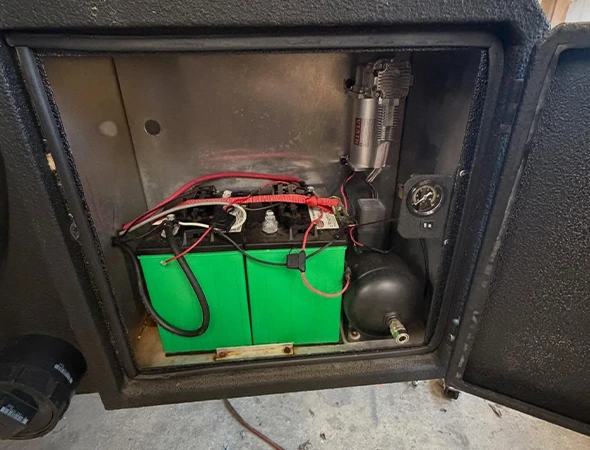
The process usually touches several systems at once. Insulation keeps the space comfortable in changing weather. Electrical work powers lights, fridges, and devices. Plumbing handles water for cooking and washing.
No two builds look exactly alike. Some owners want a minimalist setup for surfing trips, while others need a rolling office. The goal shapes every decision that follows.
The Structural Side People Overlook
Interiors get all the attention, but the structure underneath matters just as much. Adding weight changes how a van drives, brakes, and handles rough roads.
This is where Frame Modifications sometimes enter the picture. Heavier builds, added storage boxes, or a pop-top roof can put stress on the vehicle beyond its original design. In these cases, reinforcing or adjusting the frame helps keep everything safe and stable.
Skipping this step can lead to problems later, from uneven wear to more serious safety concerns. A van that carries a full water tank, batteries, and furniture is a very different machine than the one that left the factory.
Getting the structure right early protects both the build and the people inside it.
Why Conversions Have Grown So Popular
Cost is a big reason. Compared to buying a factory-made RV, converting a van often gives people more control over their budget and design.
Flexibility adds to the appeal. A converted van fits in a normal parking space, handles city streets, and still opens the door to remote travel. That mix of everyday use and adventure is hard to match.
There’s also the personal factor. Building a space by hand, or working closely with a shop to plan it, creates something that feels genuinely yours. Many owners across the United States describe the finished van as a reflection of their lifestyle rather than just a vehicle.
Real-World Situations Worth Considering
Picture a young couple who spends summers chasing national parks. Their priority is sleeping space and a small kitchen, so their layout stays light and simple.
Now compare that to a photographer who lives on the road full-time. They need power for editing, secure gear storage, and a build sturdy enough for long stretches of highway. That kind of setup often calls for reinforced storage and careful weight planning.
Then there are weekend warriors who only need a comfortable base for hiking or fishing trips. Their needs sit somewhere in between, proving how personal these projects really are.
Each scenario points to the same lesson. Planning around real habits, not just inspiration photos, leads to a van that actually works.
Working With Professionals vs. Going DIY
Plenty of people handle basic conversions themselves, especially cosmetic work like cabinets and bedding. It’s rewarding and can trim costs.
Technical areas are a different story. Electrical systems, gas lines, and any structural work usually benefit from experienced hands. Mistakes here aren’t just expensive; they can be dangerous.
Many builders take a hybrid approach. They tackle simple tasks on their own and bring in specialists for the tricky parts. Shops such as Hudson Automotive Repair & Service are among the places owners turn to when structural or mechanical questions come up during a build.
Knowing your own limits often makes the difference between a smooth project and a stalled one.
Planning for the Long Haul
A conversion isn’t finished the day it looks good. How it holds up over years of travel matters just as much.
Maintenance stays important, especially for heavier builds. Tires, suspension, and brakes all work harder when a van carries extra weight. Regular checkups keep small issues from becoming big ones.
Resale is worth a thought too. Quality workmanship and safe structural choices tend to hold value better, which appeals to buyers if you ever decide to sell.
In short, the best van conversions balance style, function, and safety from the very first sketch.
FAQs
How much does a van conversion usually cost?
Costs vary widely based on materials and features. A simple build might run a few thousand dollars, while full-featured conversions can climb well into the tens of thousands.
Do van conversions require frame modifications?
Not always. Light builds often need none, but heavier setups, roof additions, or extra storage may require frame reinforcement to stay safe.
How long does it take to convert a van?
A basic DIY conversion can take a few weekends, while a detailed professional build may take several weeks or longer depending on complexity.
Are converted vans legal to drive and live in?
Driving a converted van is legal when it meets safety standards. Living rules vary by city and state, so it’s smart to check local regulations first.
Is it cheaper to build a van or buy an RV?
Conversions often cost less than a comparable RV and offer more customization, though prices depend heavily on the features and quality you choose.