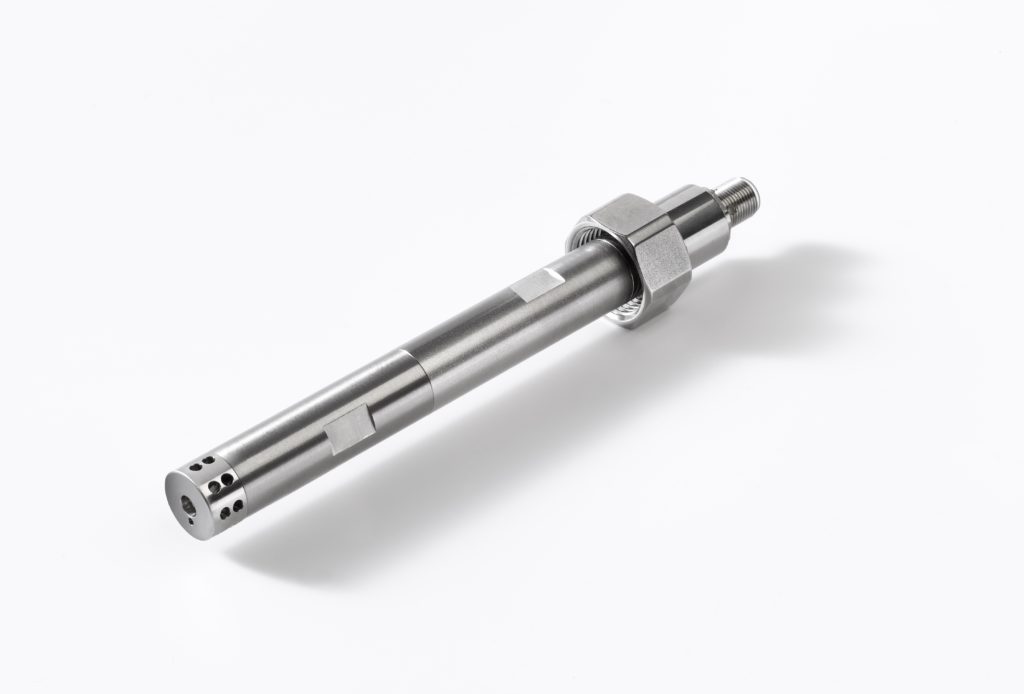
Modern engines and industrial machinery depend heavily on the quality of their lubricating oil. While oil is designed to reduce friction, cool components, and prevent wear, even small amounts of water contamination can compromise its effectiveness. This is where a water in oil sensor becomes a crucial component. It continuously monitors oil condition and alerts operators before serious damage occurs.
Understanding how these sensors work, why they are important, and where they are used can help businesses and individuals protect valuable equipment and reduce maintenance costs.
What Is a Water in Oil Sensor?
A water in oil sensor is a monitoring device designed to detect the presence and concentration of water within lubricating oil. These sensors are commonly used in engines, hydraulic systems, gearboxes, and fuel systems where oil purity is critical.
Water contamination can occur due to condensation, leaks, or environmental exposure. Since oil and water do not mix well, the presence of water leads to reduced lubrication performance and increased wear on mechanical parts.
The sensor identifies water levels in real time and provides alerts when contamination exceeds safe limits.
Why Water in Oil Is a Serious Problem
At first glance, a small amount of water in oil might not seem dangerous. However, even minimal contamination can lead to significant issues over time.
1. Reduced Lubrication Efficiency
Water disrupts the oil film that protects moving parts. This increases friction and accelerates wear.
2. Corrosion and Rust
Water promotes oxidation, leading to rust formation on metal surfaces inside the engine or machinery.
3. Oil Degradation
Water accelerates the breakdown of additives in oil, reducing its lifespan and effectiveness.
4. Microbial Growth
In some systems, water contamination can lead to bacterial growth, especially in fuel systems.
5. Equipment Failure
If left undetected, water contamination can result in catastrophic engine or system failure.
A water in oil sensor helps detect these issues early, preventing expensive repairs and downtime.
How a Water in Oil Sensor Works
Water in oil sensors operate using different technologies, but most rely on measuring changes in oil properties.
Capacitive Measurement
This is the most common method. The sensor measures changes in the dielectric constant of the oil. Since water has a much higher dielectric constant than oil, even small amounts can be detected accurately.
Relative Humidity Measurement
Some sensors measure the saturation level of water in oil, expressed as a percentage. This helps determine how close the oil is to reaching its water-holding capacity.
Optical Detection
Advanced sensors use light absorption or scattering techniques to identify water droplets in oil.
Temperature Compensation
Since oil properties change with temperature, most sensors include temperature correction to ensure accurate readings.
Types of Water in Oil Sensors
Different applications require different sensor designs. Here are the most common types:
1. Inline Sensors
Installed directly into the oil circulation system, these provide continuous real-time monitoring.
2. Portable Sensors
Used for spot checks and maintenance inspections, these are ideal for field technicians.
3. Integrated Monitoring Systems
These sensors are part of larger condition monitoring systems that track multiple parameters like temperature, pressure, and contamination levels.
4. Wireless Sensors
Modern IoT-enabled sensors transmit data remotely, allowing operators to monitor equipment from anywhere.
Applications of Water in Oil Sensors
Water in oil sensors are widely used across industries where equipment reliability is critical.
Automotive Industry
Engines, transmissions, and lubrication systems benefit from early detection of water contamination.
Marine Industry
Ships operate in high-moisture environments, making water contamination a constant risk.
Industrial Machinery
Hydraulic systems, turbines, and compressors rely on clean oil for efficient operation.
Power Generation
Generators and transformers use oil-based systems where water contamination can lead to failures.
Aviation
Aircraft engines and hydraulic systems require precise monitoring to ensure safety.
Benefits of Using a Water in Oil Sensor
Installing a water in oil sensor offers several advantages:
1. Preventive Maintenance
Sensors allow early detection, enabling maintenance before damage occurs.
2. Reduced Downtime
Avoid unexpected equipment failures that can halt operations.
3. Cost Savings
Minimize repair costs and extend the life of machinery.
4. Improved Efficiency
Clean oil ensures optimal performance and energy efficiency.
5. Real-Time Monitoring
Continuous data helps operators make informed decisions.
Key Features to Look For
When selecting a water in oil sensor, consider the following features:
- High Sensitivity: Ability to detect even small amounts of water
- Durability: to harsh environments and high temperatures
- Accuracy: Reliable readings under varying conditions
- Compatibility: Suitable for different oil types
- Easy Installation: Simple integration into existing systems
- Digital Output: Support for modern monitoring systems
Installation and Maintenance
Proper installation is essential for accurate readings.
Installation Tips
- Install the sensor in a location with consistent oil flow
- Avoid areas with air bubbles or turbulence
- Ensure proper sealing to prevent leaks
Maintenance Guidelines
- Regularly calibrate the sensor
- Clean the sensor to avoid contamination buildup
- Check connections and wiring periodically
Challenges and Limitations
While water in oil sensors are highly effective, they do have some limitations:
- Calibration Requirements: Sensors must be calibrated for specific oil types
- Initial Cost: Advanced sensors can be expensive
- Environmental Factors: Extreme temperatures may affect accuracy
However, these challenges are minor compared to the benefits they provide.
Future Trends in Water in Oil Monitoring
Technology is rapidly evolving, and water in oil sensors are becoming smarter and more efficient.
IoT Integration
Sensors are now connected to cloud systems, allowing remote monitoring and predictive maintenance.
AI-Based Analytics
Advanced systems analyze sensor data to predict failures before they occur.
Miniaturization
Sensors are becoming smaller, making them easier to install in compact systems.
Enhanced Accuracy
New materials and technologies are improving detection capabilities.
Conclusion
A water in oil sensor is not just an optional accessory it is a vital component for maintaining the health and efficiency of engines and industrial systems. By detecting water contamination early, it helps prevent damage, reduce maintenance costs, and extend equipment life.
Whether used in automotive, marine, or industrial applications, investing in a reliable water in oil sensor is a smart decision. As technology continues to advance, these sensors will play an even greater role in predictive maintenance and system reliability.