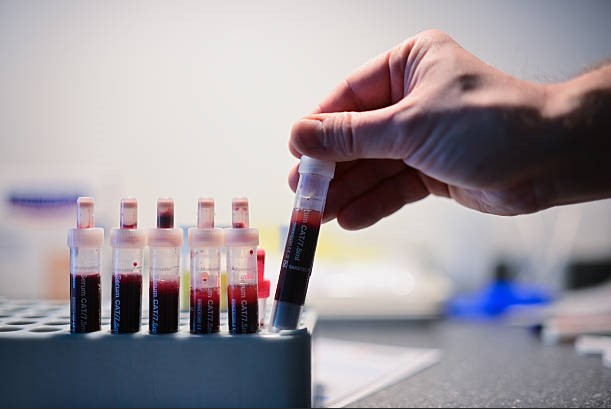
Blood test results can appear definitive, yet courtroom disputes often reveal how much interpretation lies behind the numbers. Questions about sample handling, testing methods, timing, contamination, and expert conclusions can all influence how evidence is understood. Cases involving blood drug testing show that toxicology findings are rarely as simple as a positive or negative result. For attorneys, judges, and juries, the challenge is separating reliable science from assumptions that may distort the facts.
Examining these disputes offers valuable insight into how toxicology evidence is tested, challenged, and ultimately weighed when legal outcomes may depend on scientific accuracy in court proceedings.
Key Takeaways
- Timing can change the meaning of a result.
- Chain-of-custody gaps may weaken confidence.
- Screening results require proper confirmation.
- Cutoff levels do not automatically prove impairment.
- Medical and postmortem context matters.
- Expert conclusions must remain scientifically supportable.
What Courts Examine When Blood Drug Testing Results Are Disputed
- Collection Timing Can Affect Interpretation
Drug concentrations change over time. If blood is collected hours after an incident, the blood drug testing result may not reflect the concentration at the time of the event.
Estimating an earlier concentration may require assumptions about:
- Time of use
- Amount consumed
- Previous doses
- Absorption and elimination rates
- Food intake
- Medical treatment
When this information is missing, precise conclusions may not be scientifically supportable.
- Chain Of Custody Must Be Complete
Chain-of-custody records connect the tested sample to the correct person. Attorneys should review whether the specimen was properly labeled, sealed, transferred, stored, and documented.
Important concerns include:
- Missing signatures
- Conflicting identification numbers
- Unexplained delays
- Broken seals
- Incorrect labels
- Unclear storage conditions
A minor paperwork mistake may not invalidate a blood drug testing result, but a serious gap can weaken confidence in the evidence.
- Collection Errors Can Become Courtroom Challenges
The reliability of blood drug testing begins long before the sample reaches the laboratory. During litigation, attorneys often examine whether proper collection procedures were followed because mistakes at this stage can raise questions about the credibility of the evidence.
Key issues may include:
- Who collected the specimen
- Whether the correct collection tubes and preservatives were used
- Whether the sample volume was adequate
- Whether collection times were recorded accurately
- How the sample was stored and transported
- Whether medications were administered before collection
In emergency situations, drugs given during medical treatment may influence toxicology findings. Reviewing medical records alongside laboratory records helps determine whether the reported result accurately reflects the circumstances of the case.
- Screening Results Require Confirmation
Screening tests can indicate the presence of a drug class, but they are not always sufficiently specific for a final forensic conclusion.
Attorneys should determine:
- Whether confirmation testing was completed
- Which analytical method was used
- Whether the correct drug or metabolite was identified
- Whether the applicable cutoff was used
- Whether interferences were considered
A presumptive screening result should not be treated as equivalent to a confirmed laboratory finding.
- The Full Laboratory File Should Be Reviewed
A final report may show only the detected substance and concentration. It may not reveal whether the laboratory followed reliable procedures.
Important records include:
- Raw instrument data
- Calibration records
- Quality-control results
- Chromatograms or mass spectra
- Batch records
- Analyst notes
- Method validation records
- Standard operating procedures
- Instrument maintenance logs
These records help determine whether the underlying analysis supports the reported blood drug testing result.
- Cutoff Levels Do Not Automatically Prove Impairment
Laboratories use cutoff levels to decide whether a result is reported as positive or negative. These thresholds may be analytical, administrative, or regulatory.
A cutoff does not necessarily establish the concentration at which a person becomes impaired. Attorneys should ask whether the threshold applies to the specific testing program and whether the result was close to that level.
- Measurement Uncertainty Can Affect the Result
Laboratory measurements are not perfectly exact. Results may vary slightly because of calibration, instrumentation, preparation, and method performance.
Measurement uncertainty becomes especially important when:
- The result is near a legal threshold
- Two tests produced different values
- The opinion depends on an exact concentration
- Small numerical differences are presented as significant
Experts should not describe a result as more precise than the method allows.
- Metabolites Must Be Interpreted Correctly
A laboratory may detect the original drug, a metabolite, or both. Some metabolites are active, while others indicate only that the drug was previously used.
The presence of an inactive metabolite may support exposure without proving current effects. Attorneys should confirm exactly which compound was measured and what it can establish.
A careful toxicological assessment should distinguish evidence of past exposure from evidence of current impairment.
- Prescription Drug Findings Often Become a Point of Dispute
The presence of a prescription medication does not automatically establish impairment or inappropriate drug use. In court, both sides may interpret the same toxicology result differently depending on the facts of the case.
To understand the significance of the finding, attorneys often review:
- The prescribed dosage
- The patient’s dosing schedule
- Pharmacy dispensing records
- Time of the last reported dose
- Other medications being taken
- Possible drug interactions
- Relevant medical conditions
- Witness observations and clinical findings
Considering this information alongside the toxicology report helps distinguish lawful medication use from evidence that may support impairment or another legal issue.
- Postmortem Toxicology Frequently Requires Expert Interpretation
Postmortem toxicology findings are often challenged because drug concentrations can change after death through processes such as postmortem redistribution. As a result, interpreting these results requires specialized forensic expertise rather than relying solely on the reported concentration.
Experts typically evaluate:
- Where the blood sample was collected
- The time between death and collection
- The condition of the body
- The degree of decomposition
- Medical treatment before death
- Storage conditions and preservatives
- Other substances identified during testing
In wrongful death, criminal, and forensic investigations, courts often rely on qualified experts to explain these scientific factors and whether the reported concentration accurately reflects drug levels before death.
- Courts Rarely Rely on Toxicology Evidence Alone
Blood drug testing is only one part of the evidence presented in court. Judges and juries typically consider toxicology findings alongside the full factual record before determining whether a drug contributed to an incident.
Other evidence may include:
- Witness testimony
- Surveillance or body camera footage
- Medical records
- Accident reconstruction findings
- Workplace safety records
- Equipment inspections
- Environmental conditions
- Fatigue, illness, or alcohol use
In workplace litigation, an exposure analysis may also help determine whether hazardous chemicals, airborne contaminants, or unsafe working conditions contributed to the incident. When appropriate, risk assessment consulting can provide additional context by identifying workplace hazards and evaluating whether environmental factors played a role independent of the toxicology findings.
Examining all available evidence together allows courts to evaluate causation more accurately rather than relying on a laboratory result in isolation.
Conclusion
Disputes involving blood drug testing demonstrate why courts look beyond a laboratory report when evaluating toxicology evidence. Collection procedures, chain of custody, confirmation testing, laboratory quality controls, medical history, and expert interpretation can all influence how a result is understood.
Rather than treating a positive finding as conclusive proof, courts examine whether the scientific methods were reliable and whether the evidence supports the opinions being offered. Careful review of both the toxicology findings and the surrounding facts helps ensure legal decisions are based on sound science rather than assumptions.
FAQs
Can hemolysis affect a blood drug test?
Yes. Hemolysis can interfere with some analytical methods and may affect how the sample is processed or interpreted.
What is matrix effect in toxicology testing?
Matrix effect occurs when substances naturally present in blood influence the measurement of the target drug during analysis.
Can a laboratory report be corrected after release?
Yes. Laboratories may issue amended reports when they identify clerical, analytical, or interpretive errors.
Why are duplicate samples useful?
Duplicate samples allow independent testing or confirmation if the original result is disputed.
Can contamination occur during collection?
Yes. Contamination may occur through improper handling, unsuitable equipment, or contact with external substances.