If you’re building a travel platform, OTA, or booking tool, you’ll quickly run into one core piece of infrastructure: the air ticket booking API. This guide breaks down exactly what it is, how it fits into a travel product, and what you need to know before choosing one for your business.
What a flight booking API actually does
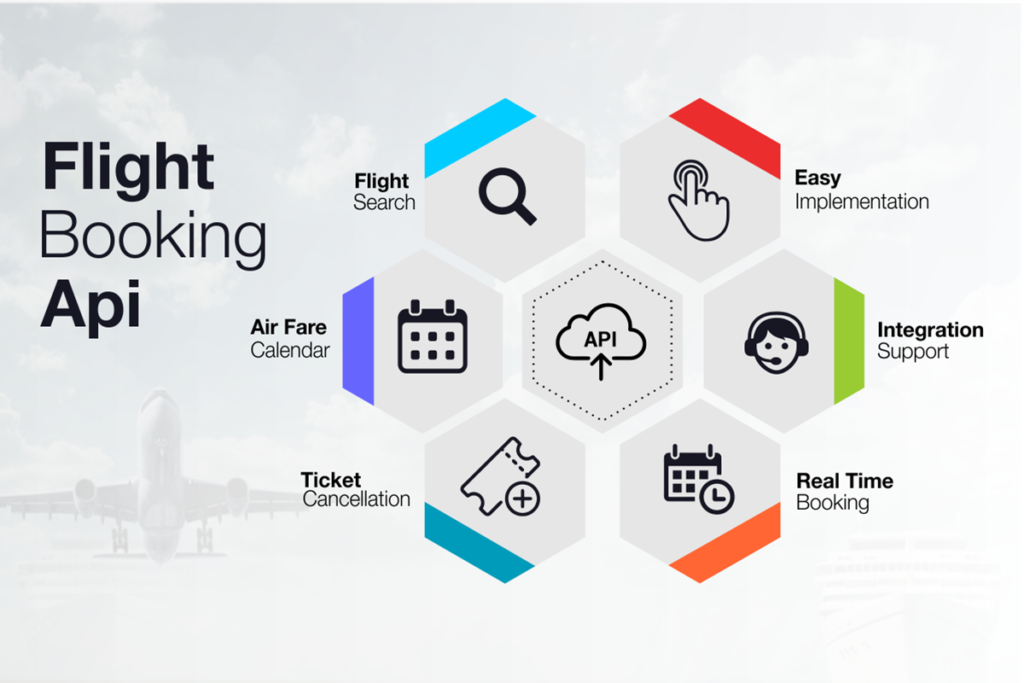
A flight booking API is a set of programming interfaces that lets a travel platform search flight inventory, retrieve live pricing, and complete a ticket purchase, all without a human agent manually checking availability. In practice, it connects your website or app to airline and travel data sources, handling everything from initial search results to final ticket issuance.
The two main data sources behind flight APIs
Most flight booking APIs pull inventory from one (or both) of these sources:
- Global Distribution Systems (GDS): Centralized networks like Amadeus, Sabre, and Travelport that aggregate inventory from hundreds of airlines worldwide through a single connection.
- NDC (New Distribution Capability): A modern distribution standard developed by IATA that lets airlines distribute content — including personalized fares and ancillary services — directly to travel platforms, often with richer data than traditional GDS feeds.
Some platforms also connect directly to low-cost carriers (LCCs), since many budget airlines distribute their inventory outside the traditional GDS networks entirely.
Why businesses use a flight booking API instead of building from scratch
Building a direct connection to hundreds of individual airlines would be enormously time-consuming and expensive. A flight booking API solves this by giving you:
- A single integration point for a broad range of airlines
- Real-time search, pricing, and availability data
- Standardized booking and ticketing workflows
- Access to ancillary services like seat selection and baggage
Booking APIs vs. pricing APIs vs. tracking APIs
Not all “flight APIs” do the same thing. It’s worth understanding the distinction:
- Booking APIs handle the full purchase flow and issue tickets.
- Pricing/search APIs return fares and availability without completing a purchase.
- Tracking APIs monitor flight status, delays, and schedule changes after booking.
Choosing the right category — or combination — depends on whether your platform needs to sell tickets, simply display fares, or keep travelers updated post-booking.
What to think about before choosing a provider
Before committing to a specific air ticket booking API, consider:
- Whether you need broad global airline coverage or a leaner, modern integration with fewer carriers
- Your development team’s familiarity with REST APIs and available client libraries
- Whether you’ll need GDS-level accreditation or can work with a more accessible modern provider
- How pricing is structured (subscription, per-transaction, or commission-based)
Final Thoughts
Understanding how does a flight booking API work is the first step toward building any serious travel product. Once you know the difference between GDS and NDC sources, and between booking, pricing, and tracking APIs, choosing the right provider becomes a much more manageable decision.
For a deeper dive into providers, integration, and pricing, visit Air Ticket Booking API: A Complete Guide to Choosing One.