Introduction
Developing a new software product requires time, money, and careful planning. Businesses often have innovative ideas but are unsure whether their target audience will use the final product. Building a complete application without testing its potential can lead to unnecessary expenses and disappointing results. This is why understanding what is MVP in software development is important for startups, entrepreneurs, and established businesses.
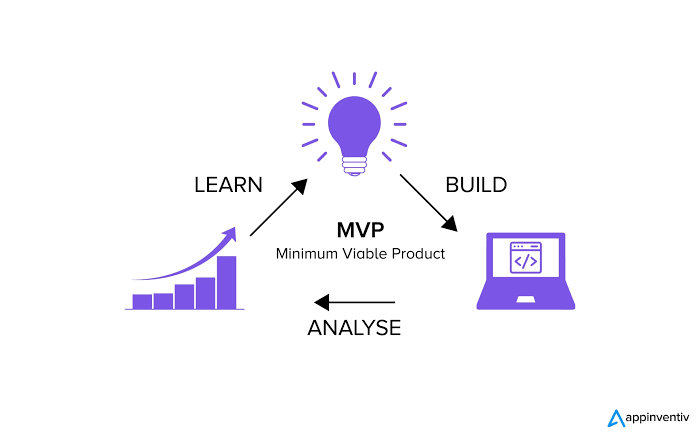
A Minimum Viable Product (MVP) helps businesses launch a basic version of their software with essential features. Instead of developing every planned function immediately, companies can test their ideas with real users, collect feedback, and improve the product based on actual demand.
What Is MVP in Software Development?
MVP stands for Minimum Viable Product. In software development, it refers to the simplest usable version of a product that delivers its main value to customers.
An MVP includes only the essential features required to solve a specific problem or test a business idea. It is not simply an unfinished application. A well-planned MVP should work properly, provide a useful experience, and help developers understand how customers respond to the product.
For example, a startup planning to create a food delivery application might begin with restaurant listings, menu browsing, order placement, and basic order tracking. Advanced loyalty programs, personalized recommendations, and other complex features can be introduced later after evaluating user feedback.
This approach allows businesses to validate their ideas before committing to full-scale development.
Why Is an MVP Important for Software Development?
Building an MVP offers several advantages, particularly for companies working with limited budgets or uncertain market demand.
1. Reduces Development Costs
Developing a complete software product can require significant investment. An MVP focuses on essential functionality, helping businesses avoid spending money on features that customers may not need.
Once the product demonstrates its potential, the company can make more informed decisions about future investment.
2. Speeds Up Product Launch
A smaller feature set generally requires less development time than a full-featured application. This allows businesses to introduce their product to the market sooner and begin learning from actual customers.
Launching early can also help companies identify opportunities before competitors establish a stronger market position.
3. Validates Business Ideas
An idea may sound promising during planning, but real customers may have different expectations. An MVP provides an opportunity to test assumptions and determine whether the product addresses a genuine problem.
User engagement, customer interviews, conversion rates, and feedback can help businesses decide whether to improve, expand, or change their product strategy.
4. Supports Continuous Improvement
An MVP creates a foundation for ongoing development. After launch, developers can analyze user behavior, identify technical issues, and prioritize improvements based on customer needs.
This feedback-driven approach helps businesses build products that become more useful over time.
Key Steps to Build an MVP
Creating a successful MVP requires a clear strategy and a structured development process.
Step 1: Identify the Problem
Start by understanding the problem your software intends to solve. Research your target audience, examine competitors, and identify the main challenges potential customers experience.
A clear problem statement helps guide product decisions.
Step 2: Define Essential Features
List all the features you want in the final product, then prioritize the functions necessary for its first release. Remove features that are useful but not essential for validating the initial idea.
The goal is to deliver meaningful value without unnecessary complexity.
Step 3: Choose the Right Technology
Select technologies that match your product requirements, budget, security needs, and expected growth. Your technical foundation should support future improvements without making the initial development unnecessarily complicated.
Working with an experienced software development team can help you make appropriate technical decisions.
Step 4: Develop and Test the Product
Build the core functionality and test it thoroughly before launch. Check usability, performance, security, and compatibility to ensure that users can complete essential tasks successfully.
Step 5: Launch and Collect Feedback
Release the MVP to a suitable group of users or your intended market. Gather feedback, monitor important performance indicators, and identify which features need improvement.
Use these findings to plan the next development phase.
Common MVP Development Mistakes to Avoid
One common mistake is including too many features in the first release. This increases costs and delays launch without necessarily improving the product’s initial value.
Another mistake is ignoring customer feedback. Businesses should evaluate user experiences and make improvements based on evidence rather than assumptions.
Finally, avoid treating an MVP as a low-quality product. Even a basic version should be secure, reliable, and easy to use. A poor initial experience can discourage users from returning.
Conclusion
Understanding what is MVP in software development helps businesses approach product creation more strategically. A Minimum Viable Product allows companies to test ideas, reduce initial investment, launch faster, and learn from real customers before expanding their software.
Whether you are launching a startup, building a mobile application, or developing a new digital platform, an MVP can provide a practical starting point. By focusing on essential features, choosing suitable technology, and continuously improving the user experience, businesses can build a stronger foundation for long-term product success.