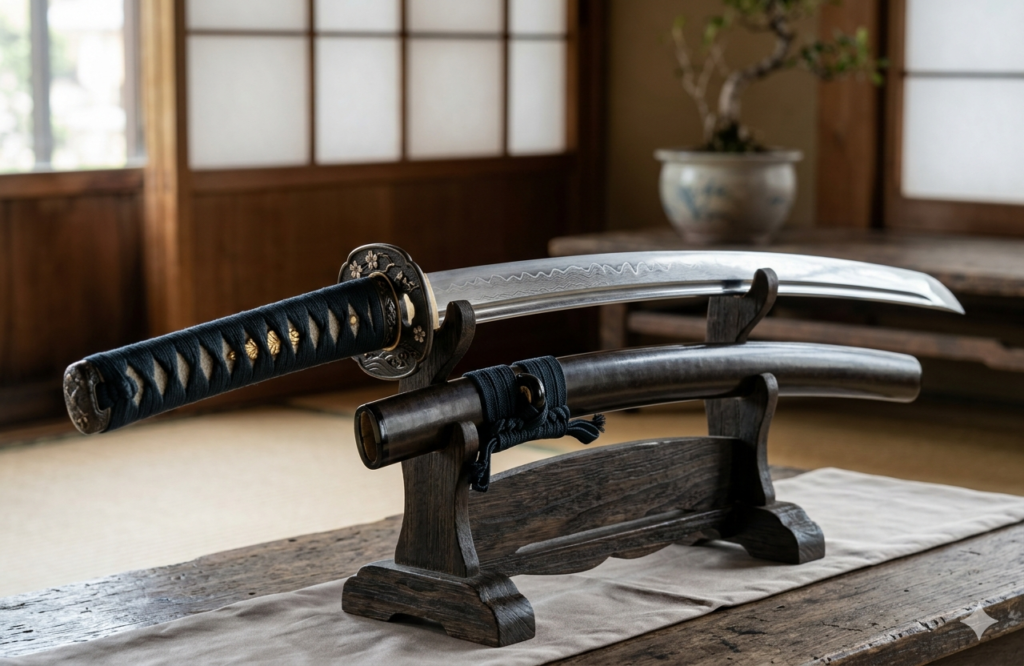
The Japanese samurai sword is one of the most iconic weapons in world history. Known for its razor-sharp blade, elegant design, and deep cultural significance, this legendary sword represents far more than a tool for combat. It symbolizes honor, discipline, craftsmanship, and the spirit of the samurai warriors who carried it for centuries.
Across movies, historical books, martial arts, and modern collections, the Japanese samurai sword continues to fascinate people worldwide. Whether you are a history enthusiast, a martial arts practitioner, or a collector of fine blades, understanding the origins and craftsmanship behind these swords offers valuable insight into Japanese culture and tradition.
In this article, we will explore the history, types, forging process, uses, and lasting influence of the Japanese samurai sword. We will also discuss why these swords remain highly respected in modern times.
The History of the Japanese Samurai Sword
The history of the Japanese samurai sword dates back more than a thousand years. Early Japanese swords were influenced by Chinese blade-making techniques, but Japanese swordsmiths gradually developed their own unique style.
During the Heian period (794–1185), curved blades became more popular because they were highly effective for mounted combat. This evolution eventually led to the creation of the katana, the most famous type of Japanese samurai sword.
The samurai class rose to power during Japan’s feudal era, and swords became central to their identity. Samurai warriors believed their sword carried their soul. As a result, swords were treated with immense respect and care.
Over the centuries, master swordsmiths refined the art of sword-making. Some legendary sword makers became famous across Japan for producing blades of unmatched quality and beauty.
What Is a Japanese Samurai Sword
A Japanese samurai sword refers to several traditional Japanese blades used by samurai warriors. Although many people use the term “katana” to describe all samurai swords, there are actually several different types.
Katana
The katana is the most recognized Japanese samurai sword. It features a curved blade, a long grip for two-handed use, and exceptional sharpness. Samurai often wore the katana with the blade facing upward.
Wakizashi
The wakizashi is a shorter companion sword carried alongside the katana. Together, the pair was known as the daisho, which symbolized the social status of the samurai.
Tanto
The tanto is a small dagger-like blade used for close combat and self-defense. Despite its smaller size, it was crafted with the same level of precision as larger swords.
Tachi
The tachi predates the katana and was mainly used by cavalry warriors. It had a deeper curve and was worn differently than the katana.
Each type of Japanese samurai sword served a specific purpose and reflected the changing needs of warriors throughout Japanese history.
The Craftsmanship Behind Samurai Swords
One reason the Japanese samurai sword is so admired is the extraordinary craftsmanship involved in its creation. Traditional sword forging is a highly skilled art that can take weeks or even months to complete.
Selecting the Steel
Swordsmiths traditionally use a special steel called tamahagane. This steel is produced through a unique smelting process and carefully selected for quality.
Folding the Steel
The steel is repeatedly heated, folded, and hammered. This process removes impurities and creates layers within the blade, improving strength and flexibility.
Differential Hardening
One of the defining features of the Japanese samurai sword is its differential hardening process. Swordsmiths apply clay to different parts of the blade before heating and cooling it.
This technique creates a hard cutting edge while keeping the spine more flexible. The result is a blade that is both sharp and durable.
Polishing and Finishing
After forging, expert polishers refine the blade to reveal its beauty and sharpness. The famous hamon, or temper line, becomes visible during this stage.
The sword is then fitted with a handle, guard, and scabbard, often decorated with artistic details and traditional materials.
Why Samurai Swords Are So Sharp
The sharpness of a Japanese samurai sword has become legendary. Several factors contribute to its cutting ability.
First, the curved design allows smoother slicing motions during combat. Second, the hard edge created during differential hardening provides exceptional sharpness. Finally, the careful polishing process refines the blade to an incredibly fine edge.
Traditional samurai swords were designed for precision and efficiency rather than brute force. Skilled samurai trained extensively to master the art of swordsmanship.
The Cultural Importance of Samurai Swords
The Japanese samurai sword is more than a weapon. It holds deep cultural and spiritual meaning in Japanese society.
Samurai followed a strict moral code called Bushido, which emphasized loyalty, honor, courage, and discipline. Their swords represented these values.
In many cases, samurai swords became treasured family heirlooms passed down through generations. Some historical swords are now displayed in museums and protected as important cultural artifacts.
Even today, Japanese sword-making is recognized as a respected traditional craft. Skilled artisans continue to preserve these ancient techniques.
Samurai Sword Training and Martial Arts
Many martial arts still focus on the use of the Japanese samurai sword. These disciplines teach discipline, focus, and precise movement.
Kendo
Kendo is a modern martial art inspired by samurai swordsmanship. Practitioners use bamboo swords and protective armor during training and competition.
Iaido
Iaido focuses on smooth drawing techniques and controlled movements. Students practice precision, awareness, and mental discipline.
Kenjutsu
Kenjutsu is a traditional form of sword combat training based on historical samurai techniques.
These martial arts help preserve the legacy and philosophy of the Japanese samurai sword.
Collecting Japanese Samurai Swords
Collectors around the world appreciate samurai swords for their beauty, history, and craftsmanship. Some antique swords are extremely valuable due to their age and historical significance.
Modern replica swords are also popular among collectors and martial arts enthusiasts. However, quality can vary greatly. Buyers should always research carefully before purchasing a sword.
Factors that influence a sword’s value include:
- Blade quality
- Historical background
- Signature of the swordsmith
- Condition and preservation
- Materials used in construction
Authentic handmade Japanese samurai swords often require significant investment because of the time and skill involved in their production.
How to Care for a Samurai Sword
Proper maintenance is essential for preserving a Japanese samurai sword. Traditional blades are vulnerable to rust and damage if neglected.
Owners should regularly clean the blade using specialized sword maintenance kits. The blade should remain dry and lightly oiled to prevent corrosion.
Storage also matters. Swords should be kept in a secure, dry location away from humidity and direct sunlight.
Handling a samurai sword responsibly helps maintain both its appearance and value over time.
Modern Popularity of Samurai Swords
The popularity of the Japanese samurai sword continues to grow worldwide. Movies, anime, video games, and historical documentaries have introduced these legendary weapons to new generations.
Collectors admire their craftsmanship, martial artists study their techniques, and historians appreciate their cultural significance.
Many modern sword makers continue to produce high-quality blades inspired by traditional Japanese methods. This ongoing interest ensures that the legacy of the samurai sword remains alive today.
Explore Quality Sword Collections Online
For collectors and enthusiasts looking to explore high-quality swords and blade collections, Malee Cut and Co offers a wide range of beautifully crafted options. From decorative pieces to functional blades inspired by historical designs, the collection provides something for both beginners and experienced collectors. If you want to browse their latest sword selection and learn more about available styles, Click here to explore the collection online.
Conclusion
The Japanese samurai sword stands as one of history’s most remarkable weapons. Its combination of beauty, sharpness, craftsmanship, and cultural meaning has made it legendary across the world.
From the disciplined warriors who carried these blades to the master swordsmiths who forged them, every aspect of the Japanese samurai sword reflects dedication and artistry. Whether admired as a historical artifact, a collector’s item, or a martial arts tool, the samurai sword continues to inspire fascination centuries after its creation.
As interest in Japanese history and traditional craftsmanship grows, the legacy of the Japanese samurai sword remains stronger than ever.