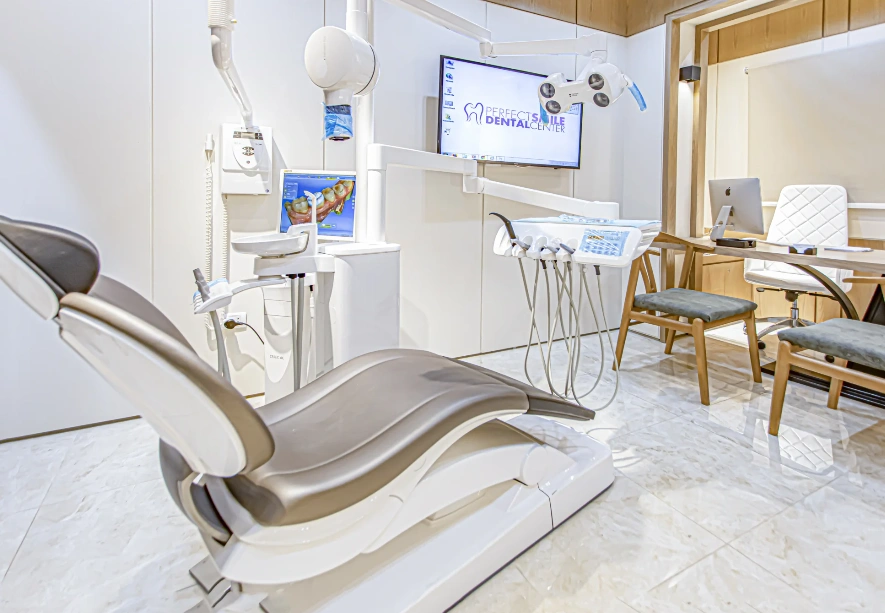
Preventive dental care plays a vital role in helping adults maintain healthy teeth and gums throughout life. Regular checkups, good oral hygiene habits, and early attention to minor problems reduce the chance of serious dental conditions. Visiting a Dental Care Center for routine care allows dentists to detect concerns before they become expensive or painful. Consistent prevention also supports better overall health and improves confidence through a healthier smile.
Benefits of Preventive Dental Care for Adults
Preventive dental care offers many long-term advantages beyond keeping teeth clean. Routine visits allow dental professionals to identify cavities, gum disease, worn enamel, and other concerns during their earliest stages. Early treatment usually requires less time, causes less discomfort, and costs less than complex procedures. Healthy teeth also support proper chewing, clear speech, and a confident appearance. Regular care helps preserve natural teeth for many years while reducing the risk of unexpected dental emergencies that interrupt daily life and create unnecessary stress.
How Preventive Care Supports Overall Health
Oral health is closely connected to the body’s general well-being. Bacteria from untreated gum disease may contribute to inflammation that affects other parts of the body. Healthy gums reduce the chance of infections and support better overall wellness. Dental professionals also examine the mouth for signs of medical conditions that may first appear inside the oral cavity. Regular appointments provide opportunities to discuss lifestyle habits, nutrition, and medications that may influence oral health, giving adults practical advice for protecting both their teeth and their general health.
Common Preventive Dental Services Every Adult Should Receive
Routine preventive services help maintain strong teeth and healthy gums throughout adulthood. Professional cleanings remove hardened plaque that brushing cannot eliminate. Dental examinations detect hidden problems before they become severe. Digital X-rays allow dentists to identify issues beneath the surface, including bone loss and tooth decay. Fluoride treatments may strengthen enamel for adults with higher cavity risk. Personalized advice on brushing, flossing, and nutrition gives patients practical ways to improve daily oral care and reduce future dental concerns.
Daily Habits That Keep Teeth Healthy
Good oral health begins with simple habits practiced every day. Brushing twice daily using fluoride toothpaste removes plaque and food particles that lead to decay. Flossing reaches spaces between teeth that a toothbrush cannot clean effectively. Drinking water throughout the day helps wash away food residue and supports healthy saliva production. Choosing balanced meals with limited sugary snacks protects tooth enamel. Replacing worn toothbrushes every few months also improves cleaning performance and supports better oral hygiene results.
Warning Signs That Should Never Be Ignored
Many dental problems begin with mild symptoms that gradually become more serious. Bleeding gums during brushing, persistent bad breath, tooth sensitivity, and discomfort while chewing may indicate developing issues. Loose teeth, swollen gums, or visible dark spots should also receive prompt professional attention. Addressing these signs early often prevents more extensive treatment later. Adults who notice changes in their oral health should schedule a dental examination instead of waiting for pain to become severe, making early diagnosis much more effective.
Simple Steps to Build a Preventive Dental Routine
Creating a consistent routine helps adults maintain healthy teeth and avoid unnecessary dental problems.
- Brush your teeth twice each day using fluoride toothpaste.
- Floss daily to remove plaque between teeth.
- Schedule professional dental checkups every six months.
- Limit sugary foods and acidic drinks whenever possible.
- Drink plenty of water throughout the day.
- Avoid tobacco products to reduce oral health risks.
- Wear a mouthguard during sports or teeth-grinding if recommended by your dentist.
- Replace your toothbrush every three to four months.
Long-Term Value of Investing in Preventive Dental Care
Preventive dental care saves both time and money by reducing the need for complex restorative treatments. Small cavities treated early usually require simple fillings rather than crowns or root canal procedures. Healthy gums lower the risk of tooth loss, helping adults keep their natural smiles longer. Routine appointments also provide peace of mind because potential problems are identified before they become emergencies. Consistent preventive care supports better quality of life, greater comfort, and lasting confidence through every stage of adulthood.
Conclusion
Preventive dental care is one of the smartest investments adults can make for their long-term health. Regular dental visits, healthy daily habits, and early treatment work together to protect teeth, gums, and overall wellness. Simple preventive measures reduce future expenses, lower the risk of serious dental conditions, and support a confident smile. Building a consistent routine today creates lasting benefits that continue for many years, making preventive care an essential part of a healthy lifestyle.