The note a provider writes is where billing begins. If the documentation is thin or wrong, the coding that follows is thin or wrong, and the claim pays less or gets denied. AI scribes, the tools that listen to a visit and draft the note automatically, are starting to change that first step. They are one piece of a bigger move toward AI and automation in medical billing, and when the documentation improves, the coding improves with it. So let’s go through how AI scribes work, how they affect billing accuracy, and where they still need a human watching.
What an AI Scribe Does
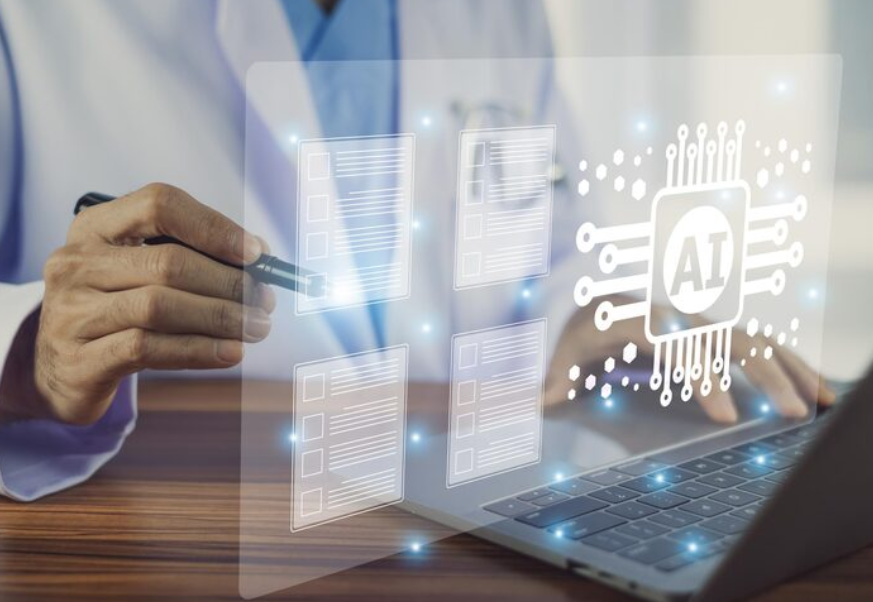
An AI scribe listens to the conversation between a provider and a patient and turns it into a clinical note. Instead of the provider typing while they talk, or writing the note hours later from memory, the tool captures the visit and drafts the documentation in the background.
The provider reviews and edits the draft, but the work of writing it happens automatically. The point is to free the provider from the keyboard and produce a fuller note than a rushed provider would write on their own.
Why Documentation Drives Billing
Coding does not happen in a vacuum. A coder, or the software that assists them, works from what the provider documented. The codes on the claim have to be supported by the note.
When the note is complete, the coder can assign the codes that reflect the full visit. When the note is missing pieces, the coder has two bad options: code low to stay safe, which underbills, or code from assumptions, which risks a denial or an audit. Better documentation removes that guesswork, and that is where AI scribes start to help the billing side.
How AI Scribes Reduce Coding Errors
The link between an AI scribe and cleaner claims runs through the quality of the note.
Capturing What Actually Happened
A provider seeing patients all day forgets details by the time they write the note. An AI scribe captures the visit as it happens, so the conditions discussed, the history taken, and the decisions made all land in the documentation. A fuller note gives the coder more to work with and supports the codes that reflect the real work.
Supporting the Level of Service
Evaluation and management coding depends on documenting the history, the exam, and the medical decision-making. When those pieces are captured well, the visit gets coded at the level it actually was, instead of down-coded because the note was thin. That is revenue a practice earned but would lose to weak documentation.
Catching the Details That Feed Diagnosis Codes
The conditions a provider addresses drive the diagnosis codes, and those codes matter for payment and for risk adjustment. When an AI scribe captures every condition discussed, the diagnosis coding reflects the patient’s full picture instead of missing conditions the provider forgot to write down.
Where AI Scribes Still Need a Human
The technology helps, but it is not a reason to stop paying attention. AI scribes bring their own risks.
The Draft Can Be Wrong
An AI scribe can mishear, add something that was not said, or phrase a note in a way that does not match what happened. If a provider signs the draft without reading it, an error goes into the record and into the coding. The provider’s review is not optional.
Over-Documentation Is a Risk
A tool that captures everything can produce a note that looks like more happened than did. Coding from an inflated note leads to upcoding, which is exactly what audits look for. The note has to reflect the visit accurately, not just fully.
The Coder Still Matters
An AI scribe writes a better note, but it does not replace the judgment of a coder who knows the rules. The documentation feeds the coding, and a skilled coder still has to turn that documentation into correct codes that hold up.
Where a Billing Partner Fits In
AI scribes improve the documentation, but the accuracy of the claim still depends on the coding and review that follow. Practices using these tools often pair them with a billing partner like AAA Medical Billing, which takes the improved documentation and codes it correctly, checking that the note supports each code rather than assuming the AI got it right. The technology and the human review work together: better notes give the coders more to work with, and the coders make sure the final claim matches what actually happened.
The combination is where the accuracy comes from. An AI scribe alone does not guarantee a clean claim. An AI scribe feeding a careful coding process does.
How to Use AI Scribes Without Creating New Errors
A few habits keep AI scribes helping rather than hurting.
Always Review the Draft
The provider reads and corrects the note before signing. This one step catches the mishears and additions before they reach the claim.
Code From the Note, Not the Tool
The coding works from the finished, reviewed documentation, the same as always. The AI drafted the note, but the coder still applies the rules.
Watch for Inflated Notes
Keep an eye on documentation that says more happened than did. An accurate note protects the practice better than a padded one.
Why It Matters
AI scribes reduce coding errors by fixing the first step, the documentation. A fuller, more accurate note lets coders assign the right level of service and capture the full diagnosis picture, which means fewer down-coded visits and fewer denials from thin notes. The catch is that the tools can also mishear or over-document, so the provider’s review and the coder’s judgment still matter. Used with that human check in place, AI scribes make the note better and the billing cleaner. Used without it, they just automate a new kind of error. The gain is real, but it comes from pairing the technology with people who still read the note.