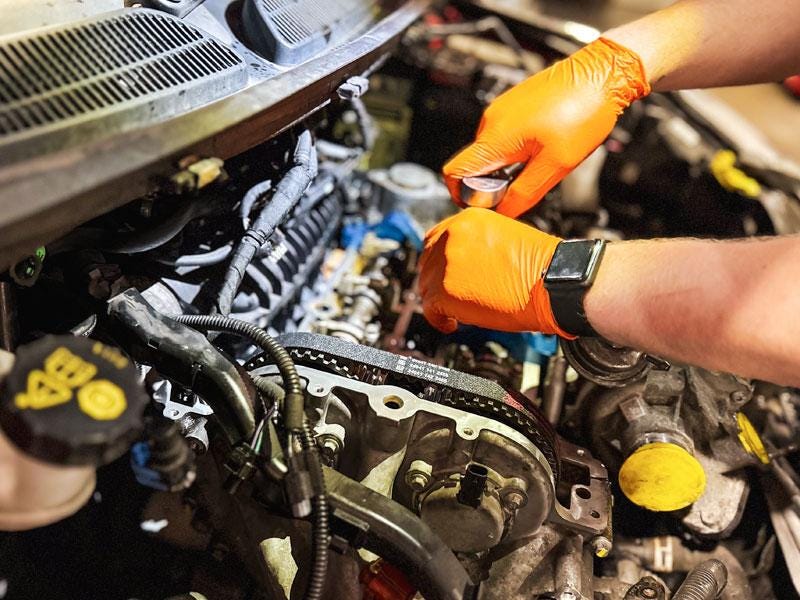
A vehicle’s timing system plays a critical role in keeping the engine running correctly. While many drivers are familiar with conventional timing belts and chains, some modern engines use a wet timing belt, a belt designed to operate inside the engine and remain lubricated by engine oil. This design can offer engineering advantages, but it also introduces specific maintenance considerations.
Understanding how wet timing belts work, what affects wet timing belt replacement cost, and when professional inspection may be necessary can help vehicle owners avoid unexpected repair bills and potential engine damage.
What Is a Wet Timing Belt?
A wet timing belt, sometimes called an oil-bathed timing belt, performs the same fundamental job as a conventional timing belt: synchronising the crankshaft and camshaft so that the engine’s valves open and close at the correct time.
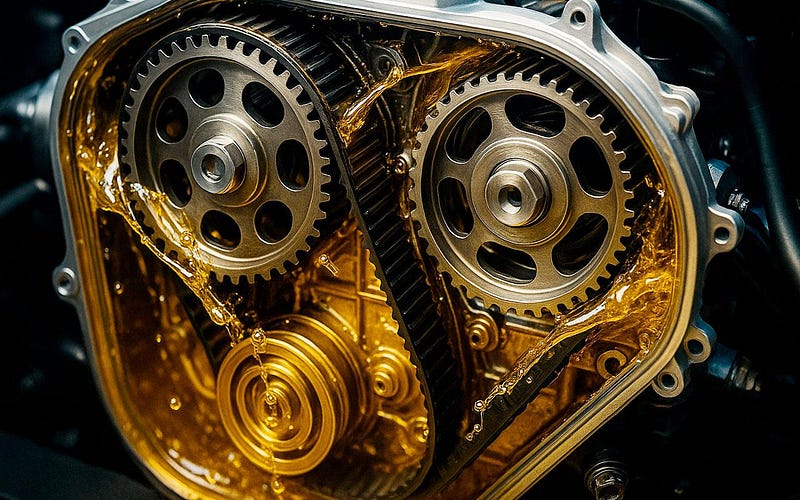
The key difference is its operating environment. Unlike a traditional dry timing belt, which runs outside the engine in a protected area, a wet belt operates within the engine and is exposed to lubricating oil.
Manufacturers have adopted this design in some petrol and diesel engines because it can reduce mechanical noise, friction and packaging requirements. However, the belt’s condition is closely linked to the quality and suitability of the engine oil.
Important factors include:
- Correct engine oil specification
- Regular oil and filter changes
- Appropriate servicing intervals
- Driving conditions and vehicle usage
- Belt material and engine design
Using the wrong oil or extending service intervals can potentially accelerate belt deterioration.
What Affects Wet Timing Belt Replacement Cost?
One of the most common questions vehicle owners have is about wet timing belt replacement cost. There is no universal figure because the total expense depends heavily on the vehicle, engine configuration and amount of labour required.
Several factors can influence the final repair cost:
Vehicle and Engine Design
Some engines provide relatively straightforward access to timing components, while others require significant dismantling. The more complicated the design, the greater the labour requirement can be.
Replacement Parts
A proper timing belt service may involve more than changing the belt itself. Depending on the manufacturer’s repair procedure, technicians may inspect or replace related components such as tensioners, pulleys, seals and other timing-system parts.
Engine Oil Contamination
As wet belts operate in oil, degraded belt material can contaminate the lubrication system. In severe cases, belt debris may affect components such as the oil pickup system. This is one reason why early diagnosis and correct servicing are important.
Labour Time
Labour rates vary between garages and regions across the UK. A specialist familiar with the particular engine may be able to identify the correct procedure and required parts more efficiently.
For motorists in Wiltshire, researching wet timing belt replacement Trowbridge services can therefore be useful when comparing maintenance options and understanding what is included in a quoted repair.
Signs That a Wet Timing Belt May Need Attention
Timing belt problems do not always provide obvious warning signs. However, certain symptoms should encourage an owner to arrange an inspection.
Possible warning signs include:
- Unusual engine noises
- Difficulty starting the vehicle
- Irregular engine performance
- Engine warning lights
- Poor running or misfiring
- Oil contamination or unusual debris
- Evidence of deteriorating belt material during inspection
It is important not to assume that every unusual engine symptom is caused by the timing belt. Diagnostic testing and physical inspection are often necessary to identify the actual problem.
Ignoring timing-system issues can be particularly risky because a failed belt may allow the engine’s internal components to become unsynchronised. On interference engines, this can result in serious internal damage.
Best Practices When Replacing a Wet Timing Belt
When replacing wet timing belt components, following the vehicle manufacturer’s recommended procedure is particularly important. Wet belt systems are more specialised than conventional dry timing belts and require appropriate parts, tools and technical knowledge.
Vehicle owners should consider the following practices:
- Check the manufacturer’s service schedule. Do not rely solely on mileage; some manufacturers specify time-based intervals as well.
- Use the correct engine oil. Oil specification matters because the belt is designed to operate in a particular lubricant environment.
- Inspect related components. A timing-system repair may require examination of tensioners, seals and other components.
- Change the oil and filter where appropriate. Fresh, manufacturer-approved oil can be an important part of maintaining the repaired system.
- Keep service records. Documentation helps establish when maintenance was completed and which parts and fluids were used.
- Investigate unusual symptoms early. Early inspection can sometimes prevent a developing problem from becoming a major engine repair.

For motorists seeking more information about the repair process and local servicing considerations, S&M Auto Service provides guidance on wet timing belt replacement and associated costs in Trowbridge.
Why Preventive Maintenance Matters
Modern engines are becoming increasingly efficient, compact and technically sophisticated. Wet timing belts are one example of manufacturers adapting engine architecture to meet requirements for efficiency, emissions, noise reduction and space utilisation.
However, newer technology can also create different maintenance requirements. Regular servicing is therefore more important than simply waiting for a component to fail.
A vehicle that receives the correct oil, follows the recommended service schedule and undergoes appropriate inspections is generally easier to maintain over its lifetime. For owners of vehicles fitted with wet timing belts, understanding the specific requirements of their engine can be particularly valuable.
Final Takeaway
Wet timing belt systems offer several engineering benefits, but they require careful maintenance and the correct operating conditions. The wet timing belt replacement cost can vary considerably depending on the vehicle, engine design, parts required and labour involved.
Rather than focusing only on the price of replacing the belt, vehicle owners should consider the complete repair procedure, manufacturer specifications, related components and long-term maintenance requirements. Recognising warning signs early and using the correct oil and service intervals can help protect the timing system and reduce the risk of expensive engine damage.
For UK motorists, particularly those researching wet timing belt replacement Trowbridge, informed maintenance decisions can make a significant difference to vehicle reliability and ownership costs.