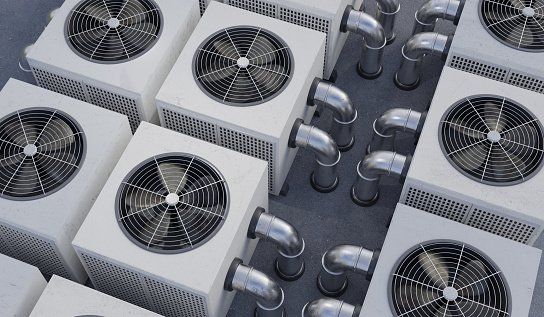
HVAC units (heating, ventilation and air conditioning). 3D rendered illustration.
Maintaining comfortable indoor temperatures alongside a steady supply of fresh air is essential for residential and commercial spaces. An integrated heating and ventilation system combines temperature control with air circulation to support consistent indoor conditions. Heating helps manage warmth during colder periods, while ventilation replaces stale air and assists with controlling indoor humidity. Modern systems may also include automated controls and filtration features to suit changing occupancy and environmental conditions. By coordinating these functions, buildings can maintain a more comfortable atmosphere while managing energy use and supporting better indoor air quality throughout the year.
Consistent Comfort through Integrated Climate Control
Coordinated heating and ventilation equipment helps regulate indoor temperatures and airflow across homes, workplaces, and commercial buildings. Bringing these functions together can support more uniform conditions between rooms while contributing to a comfortable indoor atmosphere. Depending on the system, additional capabilities may include moisture regulation, air filtration, and energy monitoring to accommodate different building needs.
Heating equipment supplies warmth when temperatures fall, while ventilation removes stale air and introduces fresh air into occupied spaces. Automated settings, heat recovery, and suitable filtration can improve system coordination and help reduce avoidable energy consumption. Integrating these functions provides a practical way to manage indoor comfort while supporting efficient building operation.
Why Regular Air Replacement Matters for Indoor Air Quality
A reliable supply of fresh air helps prevent indoor pollutants and stale air from accumulating in enclosed spaces. Controlled ventilation can reduce concentrations of dust, certain allergens, lingering odours, and excess moisture that may affect indoor comfort. Depending on the equipment, filtration components can capture selected airborne particles before supplied air reaches occupied rooms.
Managing airflow also helps regulate indoor humidity and limit conditions that contribute to condensation and mould growth. Heat-recovery technology can support energy efficiency by transferring thermal energy between outgoing and incoming air streams without directly mixing them. In residential and commercial settings, consistent ventilation can contribute to improved air quality, more balanced humidity, and comfortable indoor conditions.
Reducing Energy Demand through Smarter Temperature Management
Efficient heating and ventilation arrangements aim to maintain suitable indoor temperatures while limiting unnecessary power consumption. Modern equipment can adjust heating output to match changing conditions, while variable-speed fans, separate heating zones, and efficient heat exchangers can help optimise system operation for different spaces.
Environmental sensors may detect changes in occupancy, temperature, or other indoor conditions, allowing controls to respond to actual requirements. This can reduce avoidable energy use and help manage operating expenses. Heat-recovery ventilation offers another efficiency advantage by capturing some of the thermal energy in extracted air and transferring it to incoming fresh air.
Solar and geothermal technologies may also contribute to more energy-conscious building operation. Selecting equipment according to the property’s layout and climate-control needs can help balance indoor comfort with efficient energy use and practical long-term performance.
Finding a Heating and Ventilation Unit That Fits the Building
Selecting an appropriate heating and ventilation unit involves assessing floor area, building layout, occupancy, and required airflow. Smaller homes may suit compact equipment that provides adequate ventilation and heating without taking up substantial space. Commercial and industrial buildings may need higher-capacity systems capable of meeting greater airflow requirements and supporting larger occupied areas.
Room arrangements and usage patterns can also affect the most suitable configuration. Zoned systems allow temperature and airflow settings to be adjusted for different areas, helping accommodate variations in occupancy and comfort preferences. Other considerations include energy ratings, filtration capabilities, seasonal performance, and compatibility with existing infrastructure.
Programmable settings, smart controls, and automated operation can make daily management more convenient while helping maintain efficient performance. Comparing these features alongside installation needs and routine servicing requirements can help determine which unit best suits the building’s long-term heating and ventilation demands.
Enhancing Heating Efficiency with Intelligent Control Technology
Smart controls are transforming modern heating systems by providing greater precision, convenience, and energy management. Using sensors and automated settings, these technologies can monitor factors such as indoor temperature, occupancy, and changing environmental conditions. The system can then adjust heating output accordingly, helping maintain comfortable conditions without unnecessary energy consumption. This responsive approach can also reduce temperature fluctuations and support more balanced heating throughout occupied areas.
Programmable schedules allow heating to operate according to established routines, reducing energy use when spaces are unoccupied. Some advanced controls can also respond to changing usage patterns, providing a more adaptable approach to temperature management. Remote connectivity can further allow adjustments through compatible devices, giving property occupants greater control over heating performance. Timely changes can help heating systems respond more effectively to daily routines and seasonal variations.
When integrated with heating and ventilation systems, intelligent controls can support more consistent indoor temperatures while reducing excessive heating. Their ability to automate everyday adjustments makes them a practical feature for modern properties seeking improved comfort, operational convenience, and energy efficiency. In addition, automated monitoring can provide useful insights into heating behaviour, helping identify inefficient operation and encouraging more informed energy management. Such technology can contribute to a controlled indoor environment while supporting long-term system performance overall.
Integrating Fresh Airflow into Contemporary Interiors
Modern interiors benefit significantly from systems designed to integrate fresh airflow seamlessly, ensuring a balance between functionality and aesthetics. Advanced ventilation solutions are engineered to distribute fresh air uniformly, reducing the accumulation of indoor pollutants such as volatile organic compounds and carbon dioxide. These systems often incorporate automated technologies, including sensors that regulate airflow based on occupancy and air quality, ensuring optimal performance at all times.
Architectural trends such as open-plan designs and energy-efficient constructions are further complemented by these systems, which help maintain a comfortable and healthy environment. Quiet operation and compact designs enable their unobtrusive integration into both residential and commercial settings, preserving the visual appeal of contemporary spaces.
Furthermore, certain systems include additional features such as humidity control, which prevents excess moisture and mitigates the risk of mould development. By prioritising innovative air circulation strategies, these technologies promote enhanced indoor air quality and contribute to the overall well-being of occupants within modern living and working environments.
Creating Balanced Indoor Environments with a Heating and Ventilation System
A properly selected heating and ventilation system can regulate indoor temperatures, manage airflow, and help maintain suitable humidity levels. These systems can serve homes, workplaces, and industrial buildings, with equipment configurations selected according to each property’s size, layout, and daily operating demands.
Suitable filtration can improve indoor air conditions by capturing dust, allergens, and other particles. Energy-efficient components, such as heat exchangers and responsive controls, can also help regulate temperatures while limiting avoidable energy consumption.
Quiet operation is another consideration, particularly in bedrooms, offices, and frequently occupied areas. Choosing equipment with appropriate capacity and practical features can help maintain comfortable conditions, reliable functionality, and efficient performance over the system’s service life.
Achieving Even Airflow across Different Indoor Areas
Effective air distribution helps maintain consistent temperatures by delivering conditioned air where it is needed. Well-designed ductwork and strategically placed vents can improve circulation throughout a property, reducing temperature differences between rooms and helping the system operate more consistently.
Insulated ducts help retain the intended air temperature during distribution, while properly sealed connections can minimise leakage and unnecessary energy loss. Adjustable dampers provide further control over airflow, allowing different zones to receive suitable amounts of conditioned air according to their individual requirements.
Ventilation planning can also account for air pressure, circulation rates, and airflow direction to support effective distribution without creating disruptive noise. When these elements are considered together, heating and ventilation equipment can maintain more balanced indoor conditions while avoiding the extra energy demands associated with inefficient air movement.
Adjusting Indoor Climate Control for Seasonal Weather
Heating equipment with adaptable operating modes can help properties respond to changing outdoor temperatures throughout the year. Systems that provide both heating and cooling can accommodate different seasonal requirements, while zoning features allow individual areas to maintain settings suited to their use. This can reduce unnecessary energy consumption in rooms that require less climate control.
Programmable thermostats allow temperature schedules to reflect household routines, workplace hours, and seasonal changes. Systems with suitable sensors can make further adjustments automatically as indoor or outdoor conditions vary, helping maintain comfort without excessive heating or cooling.
Solar and geothermal technologies may also complement suitable heating arrangements by providing additional renewable energy options. Selecting features according to the local climate, building design, and occupancy patterns can help maintain comfortable interiors while managing energy requirements and ongoing operating costs.
Comparing Heating and Ventilation Companies for Suitable Services
Assessing heating and ventilation companies involves examining their service range and ability to meet a property’s particular requirements. Available solutions should suit the intended building type, whether the project concerns a residence, commercial workplace, or industrial facility.
Installation expertise and technical capability deserve attention because correct system selection and installation can affect efficiency, reliability, and long-term performance. Suitable equipment, quality components, and modern control features may also help maintain comfortable conditions while managing energy use.
Ongoing servicing is another important consideration, as inspections and routine maintenance can help identify faults and preserve equipment functionality. Transparent quotations, appropriate warranties, clear communication, and accessible after-sales support can further inform the selection process. Reviewing these factors can help property owners choose a provider whose services align with installation needs, operational expectations, and future maintenance requirements.
Conclusion
Combined heating and ventilation solutions help manage indoor temperatures while maintaining a steady supply of fresh air. Heating equipment provides warmth, whereas ventilation promotes air movement and helps control excess moisture. Functions such as filtration, heat recovery, zone settings, and automatic regulation can further support consistent performance and energy management. Selecting a suitable system requires consideration of property dimensions, insulation levels, room purposes, and ventilation demands. Correct installation and routine maintenance can help these integrated systems deliver dependable comfort, better indoor air conditions, and more efficient energy use.
FAQs
What can a heating & ventilation unit do within a building?
A heating & ventilation unit supports temperature control alongside indoor air circulation and fresh-air supply. Depending on the model, it may also help regulate moisture and maintain more stable conditions across different rooms.
How do automatic settings improve heating & ventilation performance?
Automatic settings use indoor temperature readings and other operating information to adjust heating and airflow. This responsive operation can help maintain comfortable conditions while reducing avoidable energy use as requirements change.
Why is balanced airflow important for combined systems?
Balanced airflow distributes conditioned air more evenly throughout a property, helping prevent significant temperature differences between rooms. It also supports effective system operation and helps maintain consistent comfort across the intended areas.
What effect does fresh air exchange have on indoor spaces?
Fresh air exchange replaces stale indoor air with outdoor air, helping remove unwanted smells, certain airborne pollutants, and excess humidity. Regular circulation can contribute to fresher surroundings and more comfortable living conditions.
How can heating equipment adapt to different seasons?
Heating equipment can accommodate seasonal changes through programmable timers, adjustable thermostats, and separate zone controls. These features allow operating schedules and temperatures to reflect changing weather, occupancy patterns, and household needs.
What should be considered when selecting heating & ventilation companies?
Relevant considerations include technical experience, available system designs, installation quality, energy-saving features, clear pricing, warranty coverage, and access to maintenance services. Comparing these factors can help determine whether a provider meets the building’s requirements.
| Related Business Listings |
| Contact Directory |
| Local Business Profiles |