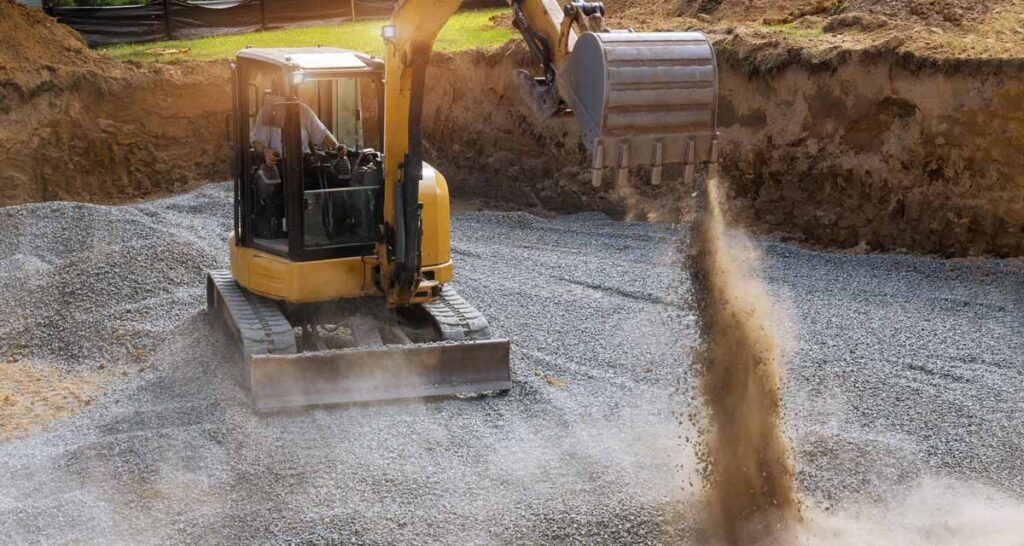
excavation services DFW TX
Excavation is a fundamental part of many construction, landscaping, drainage, and property improvement projects throughout the Dallas-Fort Worth area. Before a foundation, driveway, utility line, drainage feature, or building pad can be completed, the ground often needs to be carefully shaped and prepared. Professional excavation services DFW TX provide the equipment and expertise needed to move soil, create precise elevations, and prepare sites for the next phase of work. Understanding what excavation involves can help homeowners, builders, and property owners plan projects with greater confidence.
What Are Excavation Services?
Excavation involves removing, relocating, shaping, or preparing soil to meet the requirements of a specific project. Common work includes foundation excavation, utility trenching, drainage excavation, building-pad preparation, grading, cut-and-fill operations, and general earthmoving. The scope varies according to the property’s size, existing conditions, access, soil characteristics, and intended use. A professional assessment helps determine the most practical approach before heavy equipment begins working.
Successful excavation is about more than digging to a particular depth. Contractors must consider existing elevations, planned grades, drainage patterns, nearby structures, underground utilities, and the condition of the surrounding ground. The objective is to create a site that supports the next construction phase rather than simply removing soil. Careful preparation at the beginning can reduce unnecessary rework and make subsequent construction activities easier to coordinate.
Trenching for Utilities and Drainage
Trenching is one of the most common forms of excavation and is frequently required for underground utilities. Water lines, sewer systems, electrical conduits, irrigation, telecommunications, and drainage infrastructure may all require carefully positioned trenches. The required depth, width, slope, and alignment depend on the particular system and project plans. Contractors must also account for existing underground infrastructure before excavation begins.
Drainage trenching requires additional attention because the finished grade determines how water moves through the property. A trench may form part of a drainage system designed to direct runoff toward an appropriate collection or discharge point. Poorly planned drainage can leave water near foundations, pavement, or landscaped areas. Professional excavation allows the contractor to shape the ground according to the project’s intended drainage strategy while considering surrounding elevations.
Foundation Excavation and Building Pads
Foundation excavation creates the space required for many residential and commercial structures. Depending on the design, this can include excavation for footings, slabs, retaining structures, basements, or other foundation components. The excavation must follow the project’s plans and specified elevations so the foundation crew receives an appropriately prepared work area. Existing rocks, unsuitable materials, buried debris, or unexpected soil conditions may need to be addressed during this stage.
Building-pad preparation can involve much more than leveling the surface. Cut-and-fill work may be necessary to achieve the desired elevation, while selected fill may need to be placed and compacted in accordance with project specifications. The DFW region’s construction guidance recognizes grading, excavation, fill, drainage, and soil management as important components of site development. A properly prepared pad gives builders a more suitable surface for the foundation and other construction activities.
Grading and Shaping the Property
Grading is the process of shaping the ground to achieve planned elevations and slopes. It can be performed during initial site preparation or later as part of drainage, landscaping, driveway, or construction work. Rough grading establishes the general shape of the property, while finish grading creates more precise surfaces for the next phase. The appropriate approach depends on the project’s plans and the final use of each area.
Effective grading should consider how water will move across the property. Slopes that direct runoff toward buildings or other sensitive areas can contribute to drainage problems, while properly planned grades can encourage water to move toward suitable drainage locations. DFW-area site-development guidance emphasizes directing stormwater away from buildings and pavement to help protect subgrades and structures. This makes grading an important part of both construction preparation and long-term property performance.
The Role of Land Clearing Before Excavation
Excavation often cannot begin efficiently until obstacles have been removed from the work area. Trees, brush, stumps, roots, old structures, construction debris, and overgrown vegetation may interfere with heavy equipment and prevent crews from reaching the planned excavation areas. For undeveloped or heavily vegetated properties, land clearing services Wise County TX can be an important first step. Clearing creates access and provides a cleaner surface for subsequent earthwork.
Land clearing and excavation serve different purposes but often work together during site preparation. Clearing removes vegetation and physical obstacles, while excavation changes the elevation, depth, or shape of the ground. When both services are required, the sequence should be planned so that equipment does not have to repeatedly cross completed areas. Coordinating the work can help create a smoother transition from raw land to a prepared construction site.
Equipment Used for Different Excavation Tasks
Excavation contractors use different machines depending on the size and complexity of the project. Excavators are useful for digging foundations, trenches, drainage features, and large quantities of soil, while skid steers and compact track loaders can handle material movement and work effectively in more restricted areas. Dozers and graders may be used for larger earthmoving and grading operations. Dump trucks can transport excess soil, debris, or approved materials when hauling is part of the project.
Choosing equipment requires consideration of more than the amount of dirt being moved. Contractors need to evaluate property access, ground conditions, excavation depth, working space, nearby structures, and the volume of material involved. A large machine may be efficient on an open development site but impractical on a residential property with narrow access. Matching equipment to site conditions can improve productivity while reducing unnecessary disturbance.
Safety During Excavation and Trenching
Safety is a critical component of every excavation project. Open excavations can present hazards involving unstable soil, falling materials, equipment movement, water accumulation, and nearby structures. Trenching also requires specific precautions when workers enter or operate around excavated areas. Contractors should follow applicable safety requirements and use protective measures appropriate to the conditions and depth of the excavation.
Underground utility awareness is equally important. Before digging, contractors need to identify known utility lines and account for their locations when planning excavation routes. Hitting an underground electrical, gas, water, or communication line can create significant hazards and disrupt services. Careful planning, proper utility locating procedures, and controlled equipment operation help reduce these risks and protect workers, property owners, and surrounding infrastructure.
Managing Excavated Soil and Site Materials
Excavation can generate substantial quantities of soil and other materials that need to be managed appropriately. Depending on the project, some excavated material may be suitable for reuse elsewhere on the property, while excess or unsuitable material may need to be transported away. The decision depends on soil characteristics, project specifications, available space, and applicable requirements. Planning material management in advance can prevent stockpiles from interfering with equipment or construction activities.
Material handling can also affect the overall project schedule. If trucks, storage areas, or disposal arrangements are not coordinated, excavation crews may have limited room to continue working. Larger projects may require a detailed sequence for importing, exporting, stockpiling, spreading, and compacting materials. Clear communication between the excavation contractor, builder, property owner, and other trades helps keep these activities organized.
Preparing the Site for the Next Construction Phase
The final excavation stage should leave the property ready for whatever comes next. Depending on the project, this may mean establishing foundation elevations, completing rough grading, preparing utility trenches, shaping drainage areas, compacting designated surfaces, or creating a finished subgrade. The contractor should understand the project’s final requirements before beginning work. This helps ensure that excavation and grading are completed with the next construction activity in mind.
A properly sequenced project can reduce unnecessary movement and repeated work. For example, clearing may need to happen before excavation, foundation excavation may precede concrete work, and rough grading may need to occur before final drainage or landscaping. When each phase is planned around the following phase, the overall site-development process becomes easier to manage. Professional excavation services DFW TX can provide an important connection between an existing property and the construction-ready conditions required by the project.
Choosing Excavation Services for Your DFW Project
When selecting an excavation contractor, property owners should look at experience, equipment, communication, safety practices, and the contractor’s ability to understand the complete project scope. Ask whether the company has handled similar foundation, trenching, grading, drainage, or land-preparation work. A detailed estimate should explain what excavation includes and whether hauling, grading, cleanup, material handling, or related services are included. Clear expectations are particularly valuable when several contractors will work on the same property.
The right excavation plan depends on the site rather than a one-size-fits-all approach. A small residential project may require precise trenching and limited grading, while a larger development could involve clearing, mass excavation, drainage, building pads, hauling, and extensive finish grading. Land clearing services Wise County TX may also be necessary when undeveloped acreage must be prepared before earthwork begins. By understanding the different stages of excavation, property owners can make better decisions about site preparation and create a stronger starting point for the construction work that follows.